walking upstream…
Tracy Chapman
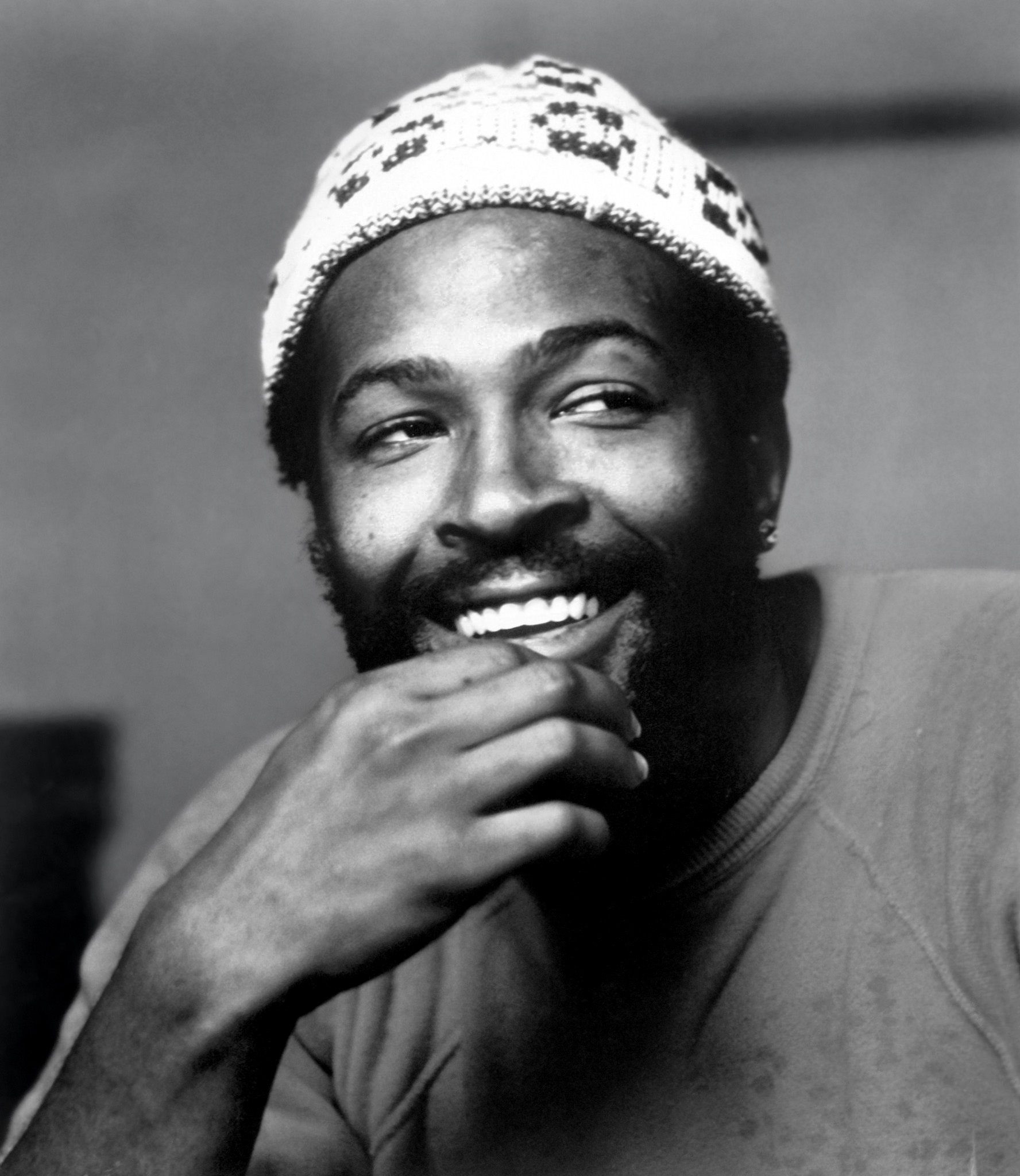


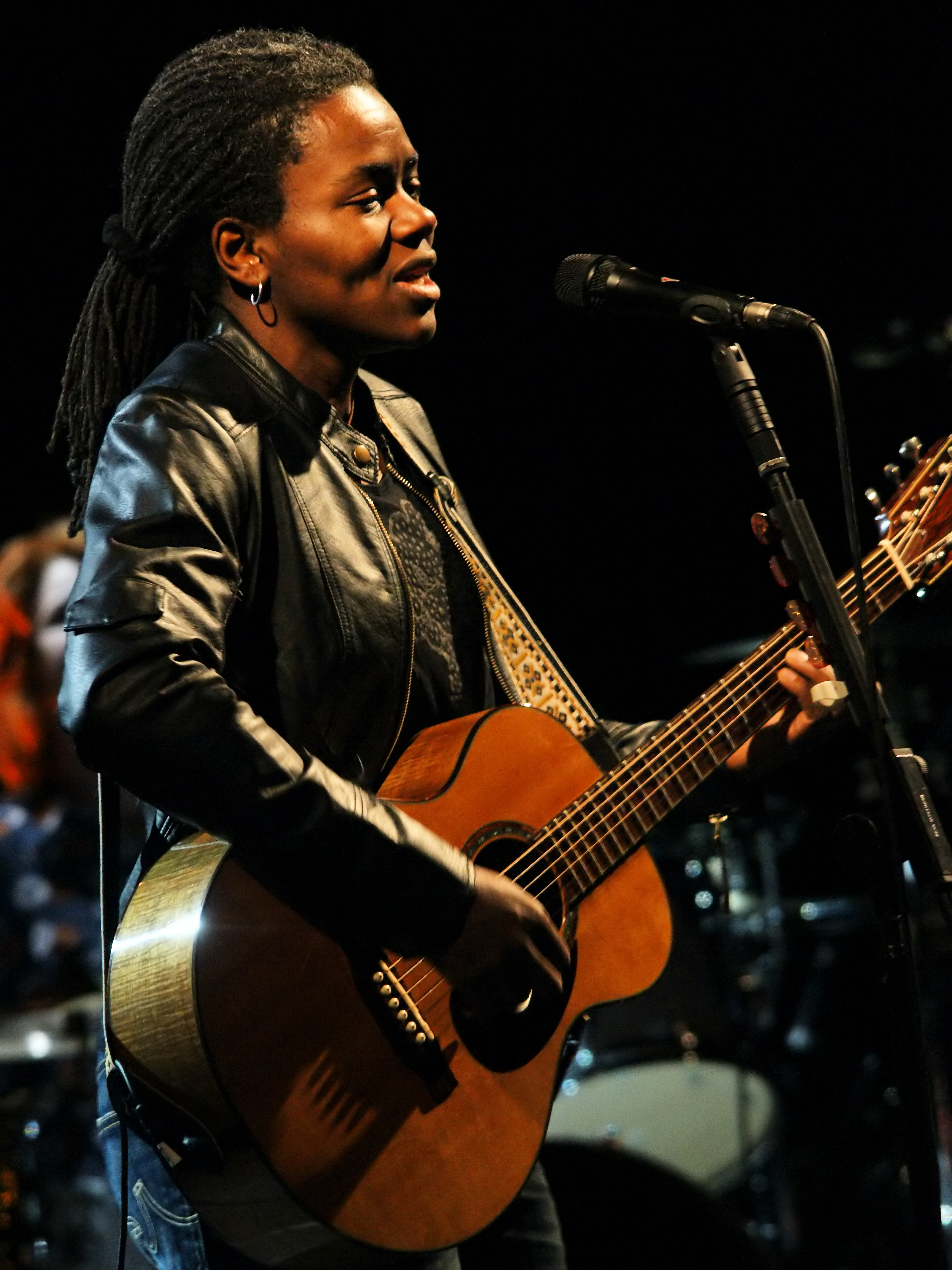 photo: hans hillewaert · cc by-sa 4.0 ↗
Tracy Chapman
Tracy Chapman is an American singer-songwriter and guitarist from Cleveland whose stripped-down 1988 self-titled debut — carried by 'Fast Car' and 'Talkin' bout a Revolution' — turned quiet, story-driven acoustic folk into a chart-topping, Grammy-sweeping phenomenon. She writes plainspoken, first-person narratives about class, race, and hard circumstance over little more than her own guitar and a low, unadorned voice, a minimalism durable enough that 'Fast Car' alone has since been reborn as a tropical-house hit for Jonas Blue and a country No. 1 for Luke Combs.
the sound in question
1988
Fast CarTracy Chapman
walk the tributaries ↓
Marvin Gaye1970s · Soul / R&B
Chapman has pointed to the socially conscious soul and R&B of the 1970s — naming Marvin Gaye specifically alongside Curtis Mayfield, Stevie Wonder, and James Brown — as the tradition her protest songs actually grow out of, more than the folk artists she's often compared to.
listen: upstream & here
1971
What's Going OnMarvin Gaye
1988
Talkin' bout a RevolutionTracy Chapman
listen forA gentle, almost conversational melody carrying a direct political statement without ever raising its voice — the same restrained urgency Gaye brought to 'What's Going On' shows up in the plainly sung, unflinching lyric of 'Talkin' bout a Revolution.'
Bob Dylan1960s · Folk / Folk rock / Rock
Chapman has said she first heard the contemporary folk-rock of Bob Dylan and Joni Mitchell as a teenager and "grew into" liking singer-songwriters like them, calling that style her first love — even while insisting her deeper roots are in soul and gospel. That plainspoken, story-first songwriting, where a verse builds a whole life out of a few clear images, is the backbone of her own writing.
listen: upstream & here
1963
Blowin' in the WindBob Dylan
1988
Fast CarTracy Chapman
listen forA simple, repeated chord pattern that just supports the words instead of competing with them, and a lyric that reads almost like a short story rather than a chorus built for a hook — that Dylan-style narrative folk is the exact shape of 'Fast Car,' carried by Chapman's own low, unadorned voice.
Mahalia Jackson1950s · Gospel / Spiritual
Chapman grew up with gospel constantly around the house and has named Mahalia Jackson specifically, alongside Shirley Caesar, as part of the gospel singers she heard as a child. That unaccompanied, voice-as-instrument gospel tradition surfaces directly whenever Chapman strips a song down to just her own singing.
listen: upstream & here
1956
Take My Hand, Precious LordMahalia Jackson
1988
Behind the WallTracy Chapman
listen forNo guitar, no band — just a bare voice carrying the entire weight of the song, the way a gospel singer like Jackson lets a hymn stand on nothing but breath and phrasing. 'Behind the Wall' is Chapman's most direct a cappella nod to that tradition.