walking upstream…
Tinariwen
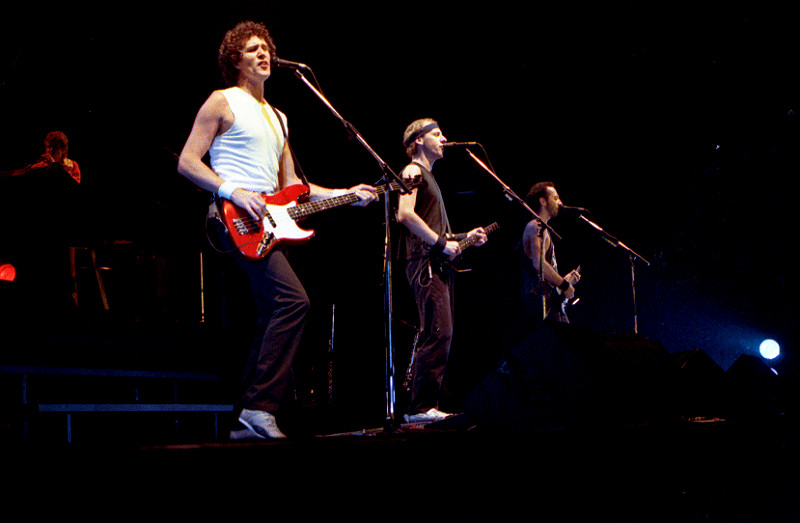
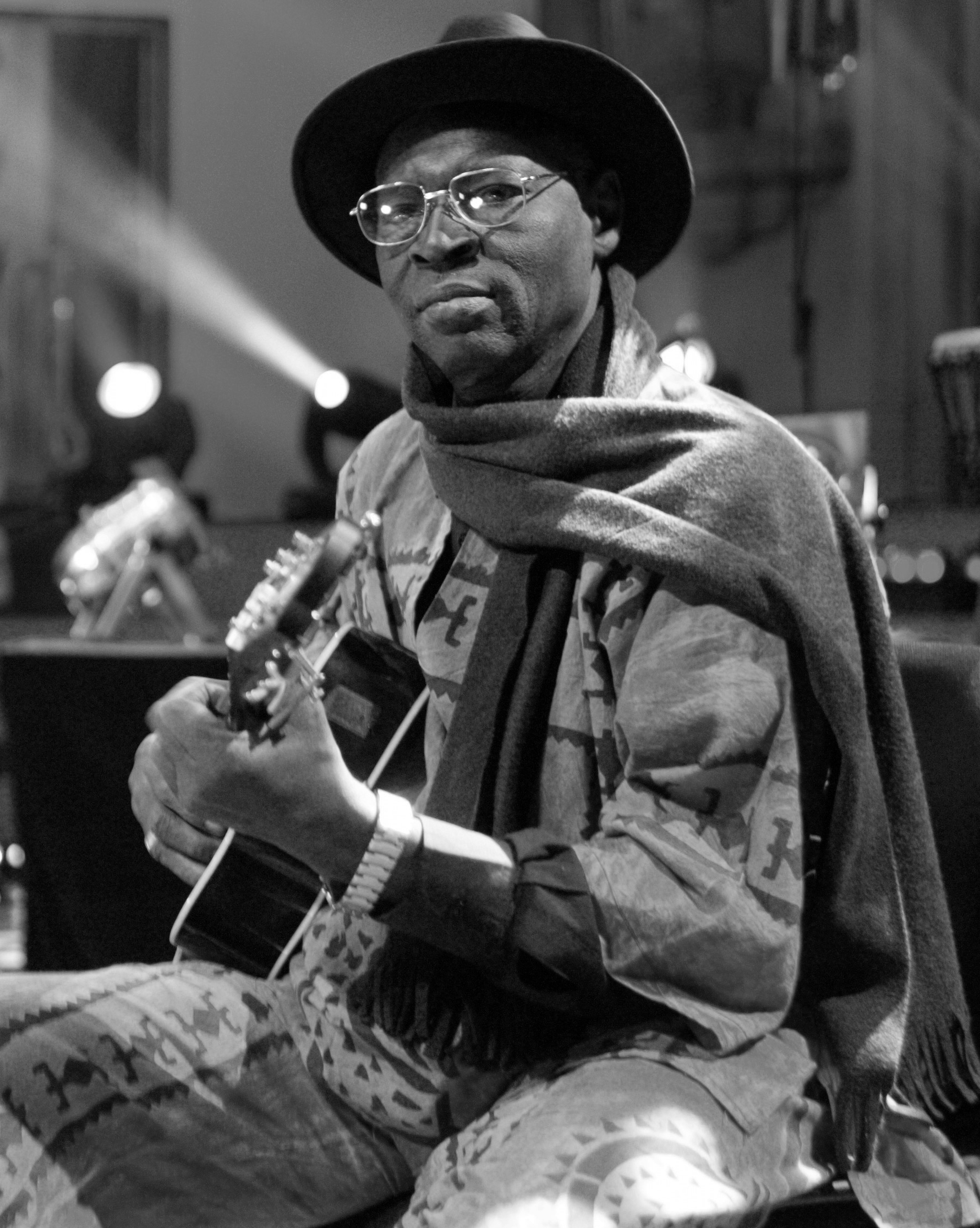

 photo: ulrichaab · cc by-sa 3.0 ↗
Tinariwen
Tinariwen is a collective of Tuareg guitarists and singers who came together in Saharan refugee camps and, later, Libyan training camps in the late 1970s and early 1980s, turning exile and rebellion into a hypnotic electric-guitar sound Tuareg listeners call assouf. Founder Ibrahim Ag Alhabib, who as a child watched his father executed during Mali's 1963 Tuareg uprising, built his first guitar from an oil can, a stick, and a bicycle brake cable after seeing a cowboy play one in a desert cinema, and the band's earliest songs circulated hand to hand on cassette tapes years before any official release. After the 1991 Tamanrasset peace accords let them leave the rebel movement for music full-time, Tinariwen carried that desert-blues sound onto the world stage in the 2000s and 2010s, winning a Grammy for Tassili (2011) and becoming the reference point for the wider Tuareg rock movement.
the sound in question
2004
ChatmaTinariwen
walk the tributaries ↓
Dire Straits1980s · Rock / Roots rock / Blues rock
Bootlegged Dire Straits cassettes were among the few Western rock tapes to actually circulate in the Algerian refugee camps and Libyan training camps where Ibrahim Ag Alhabib and his bandmates came of age in the late 1970s–80s; music writers who cover the Tuareg-rock scene report that Mark Knopfler's clean, unfussy fingerstyle became, by a wide margin, the single most-cited foreign guitar influence on the emerging ishumar / desert-blues generation.
listen: upstream & heresource: Wikipedia ↗
1978
Sultans of SwingDire Straits
2011
Tenere Taqqim TossamTinariwen
listen forListen for the clean tone and picked (not strummed) note-by-note phrasing — Knopfler's spare, articulate right-hand style lines up with the older Tuareg lute (tehardent) technique Tinariwen's guitarists already knew, and you can hear that same interlocking, conversational lead-and-rhythm-guitar weave across Tinariwen's arrangements.
Ali Farka Touré1990s–2000s · Desert blues / Malian folk / World music
Wikipedia and Malian-music press single out Touré, the Niafunké guitarist who first carried a Sahelian one-chord, droning guitar style to the outside world as "desert blues," as the most-cited Malian precedent for Tinariwen's own sound — the older, established proof that a hypnotic, modal guitar vamp rooted in West African tradition could travel internationally without borrowing an American blues label.
listen: upstream & heresource: Wikipedia ↗
1994
SoukoraAli Farka Touré
2007
Cler AchelTinariwen
listen forListen for the same trance-like repetition: a guitar figure that loops around one or two chords far longer than Western pop convention allows, with the vocal riding the groove rather than resolving it — Touré's insistence that this feel comes from the Sahel outward, not from American blues inward, is exactly the sound Tinariwen scaled up to electric-band size.
Jimi Hendrix1960s · Rock / Blues rock / Psychedelic rock
Hendrix is the Western name that comes up in nearly every interview with Ibrahim Ag Alhabib and other Tuareg guitarists about the cassette tapes that reached Tamanrasset in the 1970s–80s; The New Yorker's profile of the band leans on the comparison hard enough to call them "the Hendrix of Mali," pointing at his amplified, effects-driven guitar vocabulary as a reference point distinct from the band's Malian and Tuareg sources.
listen: upstream & heresource: Wikipedia ↗
1968
Voodoo Child (Slight Return)Jimi Hendrix
2007
Matadjem YinmixanTinariwen
listen forListen for the wah-pedal color and biting, slightly overdriven lead tone breaking out of the hypnotic rhythm-guitar bed — the same searching, vocal-like bends and sustain Hendrix built his solos from turn up, at lower volume and folded into a call-and-response arrangement, in Tinariwen's own lead breaks.