walking upstream…
The Flaming Lips

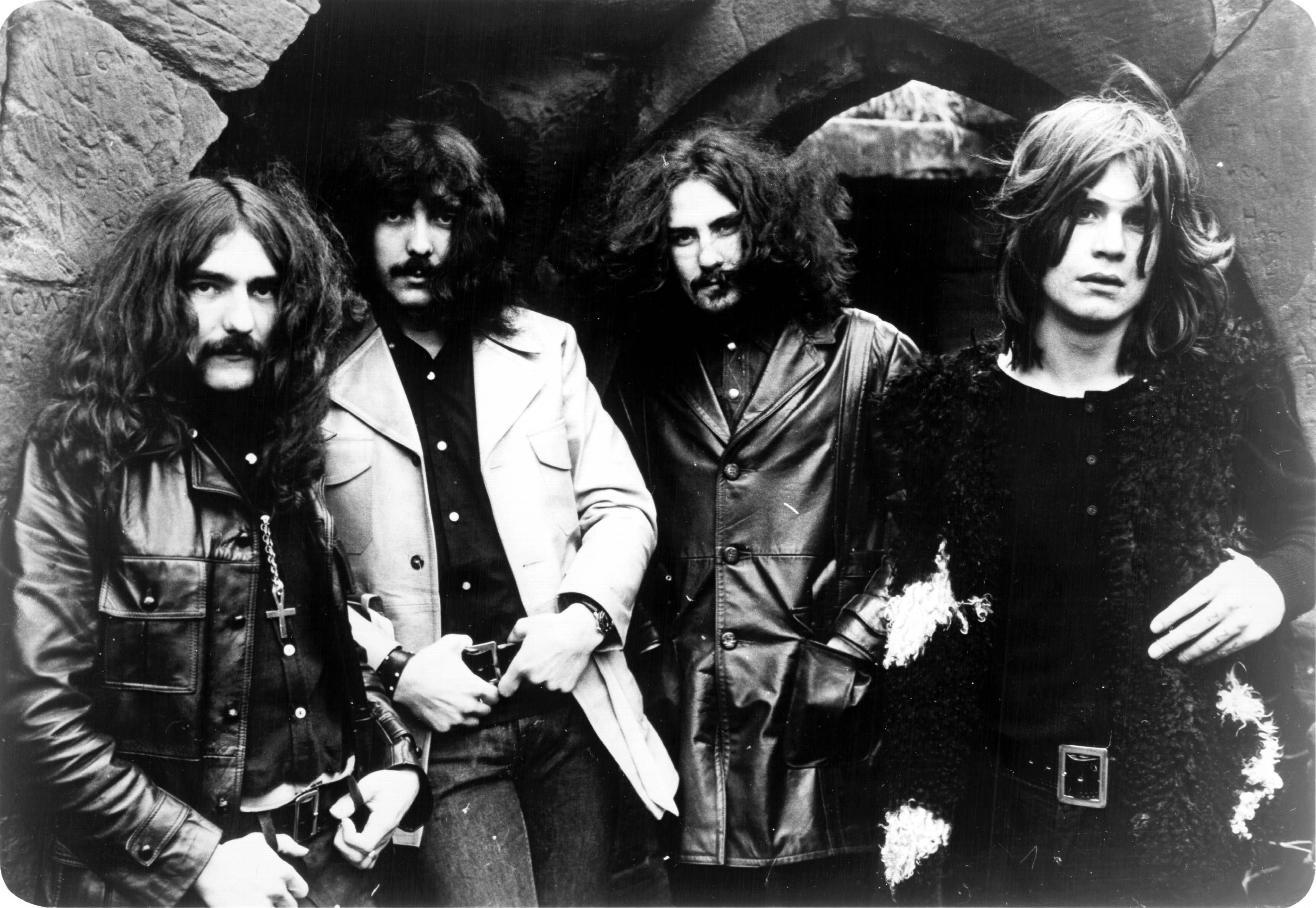

 photo: flickr user mrmatt · cc by-sa 2.0 ↗
The Flaming Lips
Formed in Oklahoma City in 1983 around frontman Wayne Coyne, the Flaming Lips clawed their way out of scrappy noise-punk into one of American rock's most unlikely mainstream psychedelic acts, pairing orchestral, effects-drenched arrangements with wide-eyed, existential lyrics. The Soft Bulletin (1999) and Yoshimi Battles the Pink Robots (2002), both shaped with producer Dave Fridmann, became touchstones for a generation of studio-as-instrument psych-pop that followed.
the sound in question
1999
Race for the PrizeThe Flaming Lips
walk the tributaries ↓
The Beatles1960s · Rock / Pop / Rock and roll
Coyne credits his older brothers' Beatles fandom as foundational, saying it taught him that "music is music, but it's also sound effects and it's singing and noises" — he singles out "Strawberry Fields Forever" as "deeply profound" as both a song and a studio recording, a lesson in production-as-songwriting the Lips carried into their own orchestral pop.
listen: upstream & here
1967
Strawberry Fields ForeverThe Beatles
2002
Do You Realize??The Flaming Lips
listen forThe layered vocal harmonies, mellotron-like textures, and melodic optimism of "Do You Realize??" — a psychedelic pop song that leans on studio color and warmth the way the Beatles' late-60s singles did.
Black Sabbath1970s · Heavy metal / Hard rock
Coyne named Black Sabbath's self-titled 1970 debut among the ten records that changed his life, crediting Tony Iommi's downtuned, injury-shaped riffing for opening his ear to how heavy a guitar could sound — a heaviness the Lips still reach for inside their prettiest arrangements.
listen: upstream & heresource: MusicRadar — "Wayne Coyne ↗
1970
Black SabbathBlack Sabbath
1999
Race for the PrizeThe Flaming Lips
listen forThe way a wall of gnarled, distorted guitar and bass suddenly swells up under an otherwise gentle, string-laced melody on "Race for the Prize" — Sabbath's doom low-end smuggled into orchestral psych-pop.
Sonic Youth1980s–90s · Noise rock / Alternative rock / Experimental rock / No wave
Coyne has talked about being at Sonic Youth's first Oklahoma City show as a formative, this-is-possible moment for a band from "nowhere" — the Lips later covered Sonic Youth's "Death Valley '69" outright, and the noisier, guitar-forward side of their early records carries that same effects-pedal abrasion.
listen: upstream & heresource: Rolling Stone — Wayne Coyne on the Flaming Lips' early years (Sonic Youth's first OKC show) ↗
1985
Death Valley '69Sonic Youth
1993
She Don't Use JellyThe Flaming Lips
listen forThe scuzzy, detuned guitar noise and garage-rock urgency of "She Don't Use Jelly," recorded before the band's sound fully smoothed into orchestral psych-pop — the rougher, art-noise edge Sonic Youth helped normalize for American indie rock.