walking upstream…
The Doobie Brothers

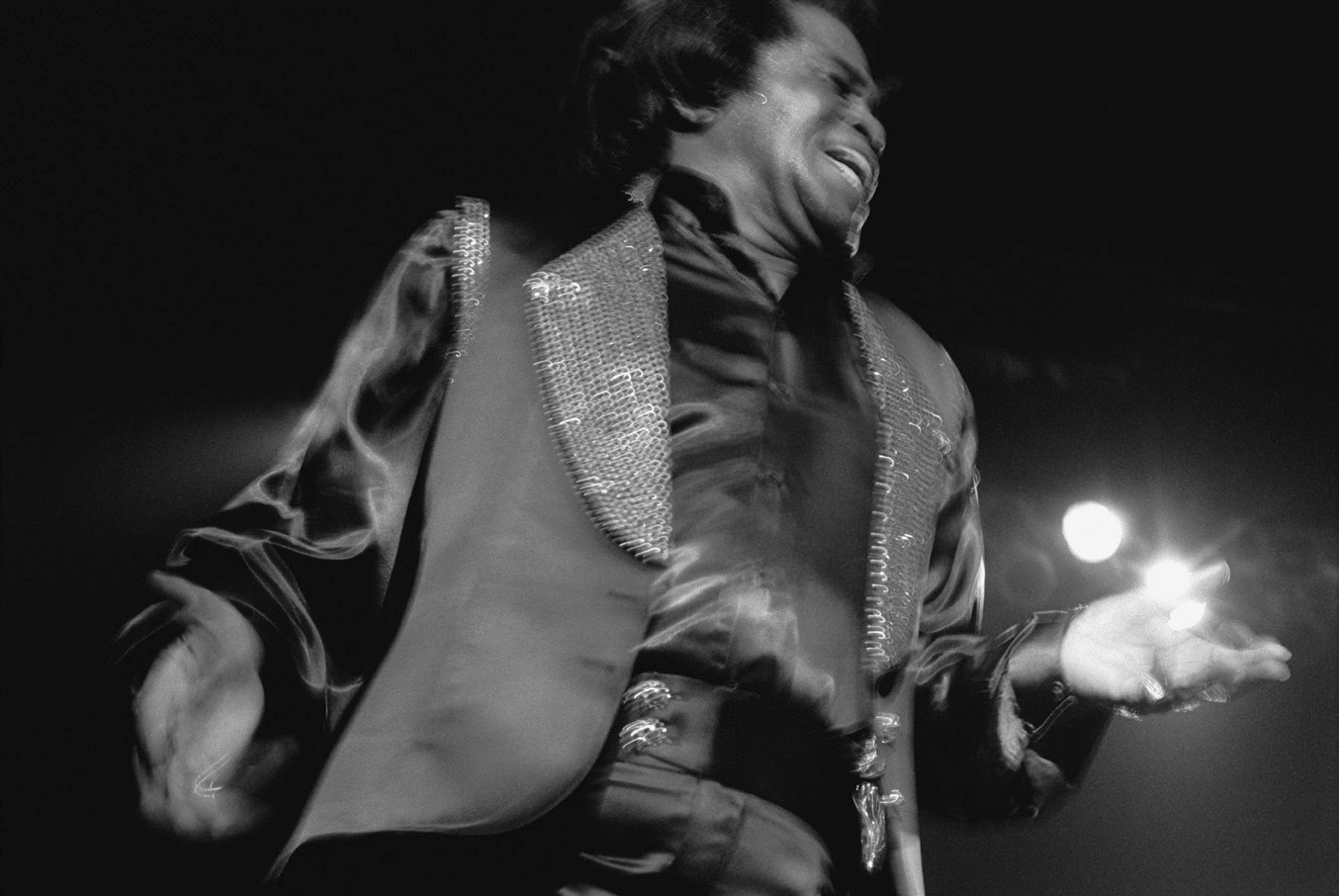
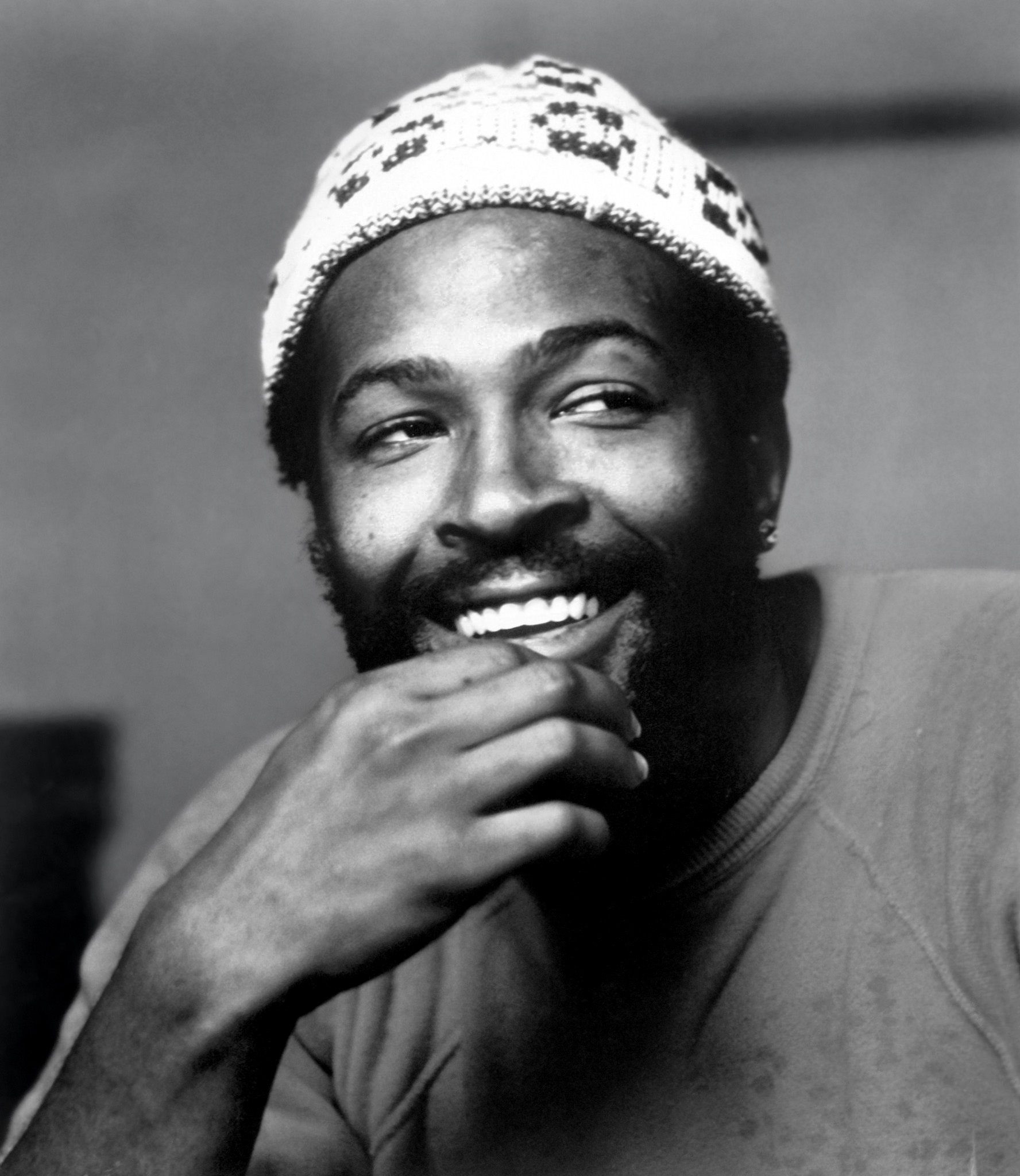
 photo: ifa-international famous agency (management) · public domain ↗
The Doobie Brothers
sourcesWikipedia2 · Far Out Magazine · MusicRadar · American Songwriter · Vintage Guitar
The Doobie Brothers took shape in San Jose in 1970, when singer-guitarist Tom Johnston and drummer John Hartman — introduced by Moby Grape's Skip Spence — built a boogie-rock outfit around Johnston's percussive acoustic strum and Pat Simmons's fingerpicked counterpoint. Early hits like 'Listen to the Music' and 'China Grove' made them arena-rock mainstays, driven by twin drummers and stacked three-part harmony. Michael McDonald's 1975 arrival, after ulcers forced Johnston off the road, pulled the band toward keyboards, horns, and blue-eyed soul, yielding 'Takin' It to the Streets' and the Grammy-winning 'What a Fool Believes.' They've toured on and off ever since, with Johnston and Simmons still fronting the band today, and were inducted into the Rock and Roll Hall of Fame in 2020.
the sound in question
1972
Listen to the MusicThe Doobie Brothers
walk the tributaries ↓
Moby Grape1960s · Psychedelic rock / Folk rock / Roots rock
Tom Johnston met Skip Spence — fresh out of Moby Grape — while playing in San Jose, and Spence is the one who introduced him to drummer John Hartman, the collaboration that became the Doobie Brothers; Wikipedia's own account of the band credits Moby Grape with having 'significantly influenced the Doobie Brothers' sound.' Johnston has been direct about why: 'They had three-part harmonies, they had guys that were able to fingerpick, they had a driving drummer, they had all these facets that nobody else had. The songs were really good, well-crafted, well-thought-out songs.' That template — stacked harmony over interlocking fingerpicked and rhythm guitars, pushed by a relentless drummer (the Doobies would eventually use two) — became the band's own signature.
listen: upstream & here
1967
OmahaMoby Grape
1973
China GroveThe Doobie Brothers
listen forCue up Moby Grape's 'Omaha,' with its tight three-way guitar interplay and driving beat, next to the Doobies' 'China Grove' — both barrel forward on a simple, insistent riff with close-harmony vocals riding on top and a rhythm section that never lets up.
James Brown1960s–70s · Funk / Soul / Rhythm and blues
Tom Johnston counts James Brown among his 'greatest influences,' alongside the rhythm and blues he grew up on, and has described seeing him live in 1962 — right after 'Live at the Apollo' — as 'a life-altering experience.' You can hear that in Johnston's guitar style itself: a percussive strum and hammered-on rhythm figure played almost like a second drum, driving Doobies boogie tracks the way Brown's rhythm section drove his own one-chord vamps.
listen: upstream & here
1967
Cold SweatJames Brown
1973
Long Train Runnin'The Doobie Brothers
listen forPlay James Brown's 'Cold Sweat' next to 'Long Train Runnin'' — both hang almost the entire song on one insistent, syncopated rhythm-guitar figure and a locked-in groove, letting small variations in the pocket carry the energy instead of chord changes.
Marvin Gaye1970s · Soul / R&B
Michael McDonald's 1975 arrival pushed the Doobies toward 'keyboards and horns and subtler, more syncopated rhythms' rooted in the soul music he grew up on — by his own account he's 'guilty of listening to the same stuff I did when I was 11: Ray Charles, Stevie Wonder, Marvin Gaye.' He's called 'What's Going On' one of his favorite records and later devoted two full solo albums ('Motown,' 'Motown Two') to covering the label's catalog. For the Doobies' own 'What a Fool Believes,' McDonald has described the writing session with Kenny Loggins as chasing 'an old Four Seasons record' feel filtered through early-Motown pop-soul songcraft — the same well of syncopated, vocal-forward soul that Gaye epitomized.
listen: upstream & here
1971
What's Going OnMarvin Gaye
1978
What a Fool BelievesThe Doobie Brothers
listen forSet Marvin Gaye's 'What's Going On' against 'What a Fool Believes' — both float a high, conversational lead vocal over a busy, syncopated groove built from electric piano and a loping bassline, prioritizing feel and pocket over a straight backbeat.