walking upstream…
Stromae

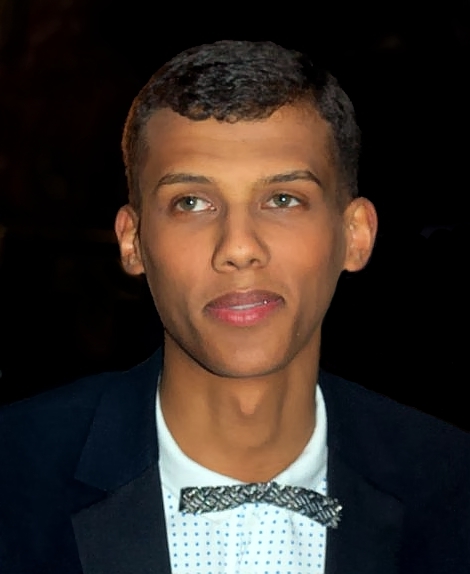
In October 2013, the New York Times traveled to Brussels to profile a 28-year-old they called "a musician for his time" — Paul Van Haver, better known by the verlan stage name Stromae ("maestro" backward), whose gravel-voiced, beat-heavy "Alors on danse" had already topped charts in nineteen countries. His Flemish mother raised him and four siblings alone in a working-class Brussels suburb; his Rwandan father, an architect he met only a handful of times, was killed in the 1994 genocide. Failing out of school at sixteen, he was sent to a Jesuit boarding school, discovered rap, and later fused it with Congolese rumba, salsa, and French chanson into something entirely his own — dance music built, he insists, "to be realist," not to sell the crisis it describes.
the sound in question
2009
Alors on danseStromae
walk the tributaries ↓
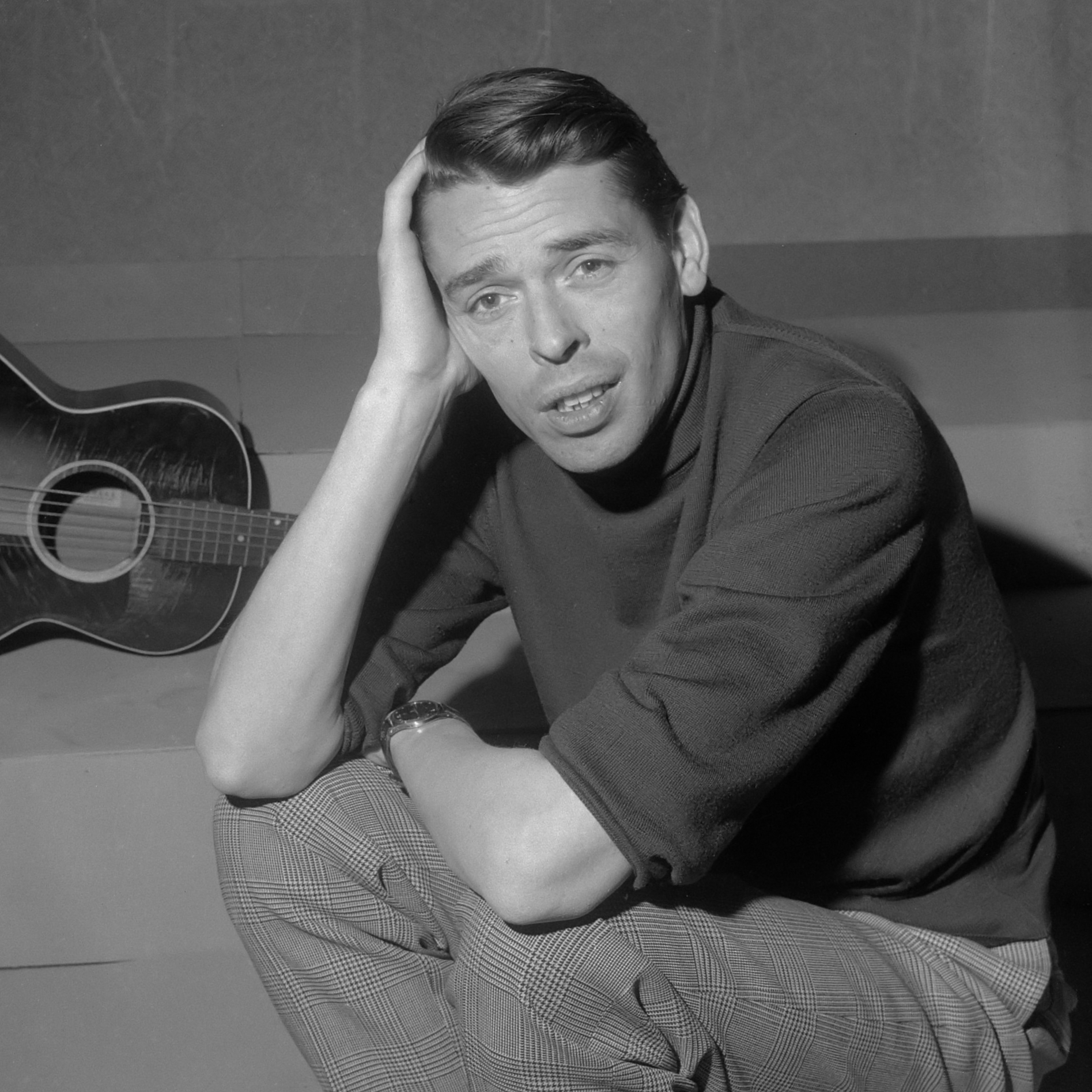
Jacques Brel1950s-60s · Chanson / Cabaret
Brel was the one non-rap record Stromae let himself keep during his self-described "rap intégriste" teenage years, and when he wrote "Te Quiero" he told La Voix du Nord it was "clairement un clin d'oeil à Brel" — a conscious homage, not a critic's guess. He's called Brel "un grand professeur d'interprétation," the model for the raked, guttural r's that became his own vocal signature.
listen: upstream & here
1959
Ne me quitte pasJacques Brel
2010
Te QuieroStromae
listen forCue Brel's raw, mounting confession "Ne me quitte pas" beside "Te Quiero," the song written in direct tribute to it, and listen for the same dragged, back-of-throat r: "j'aime le r roulé comme les Flamands, avec la langue et le bas de la gorge," Stromae has said — each consonant rolled and held rather than smoothed, the phrasing scanned like a spoken confession instead of a sung melody, the debt audible before either man reaches the chorus.
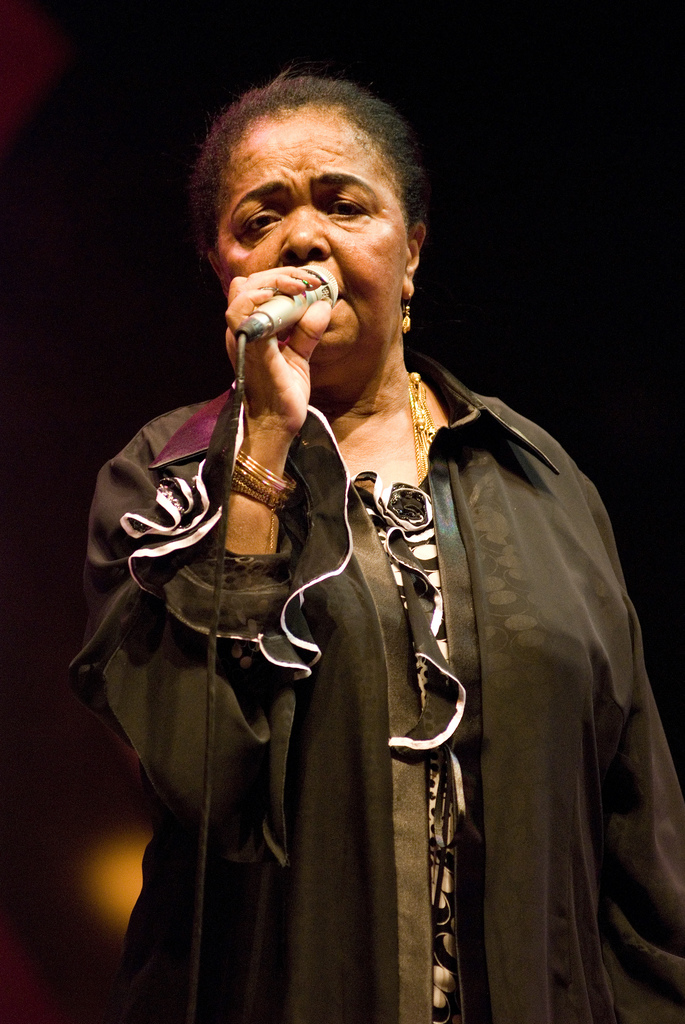
Cesária Évora1990s–2000s · Morna / Coladeira
Stromae calls himself "un grand fan" of Cesária Évora, and met her only once — backstage at Réunion's Sakifo festival, not long before she died in 2011 — too intimidated to approach her alone: "j'étais avec ma maman," he told the Belgian paper L'Avenir. "Sur scène… respect ! J'avais presque la larme." The tribute that followed, "Ave Cesaria," wasn't just written for her — he recorded it with her own touring musicians.
listen: upstream & heresource: L'Avenir — "Le style Stromae ↗
1992
SodadeCesária Évora
2013
Ave CesariaStromae
listen forPlay Évora's signature morna "Sodade" against "Ave Cesaria" and listen for the word itself crossing over: Stromae's hook borrows Cape Verdean Creole's untranslatable ache directly — "Oh sodade... saudade de nha Cesaria" — set over a guitar and horn arrangement that eases off his usual electronic pulse and leans instead toward her unhurried, plainspoken delivery, the same warmth minus the drum machine.
Papa Wemba1970s-90s · Congolese rumba / Soukous / Ndombolo
Naming his non-copying influences in a 2013 blind-test interview, Stromae put Papa Wemba in the same breath as Cesária Évora: "je m'en inspire, autant que de Cesaria Evora ou de Papa Wemba." It's a single clause, not an essay — but the music writer Black Square connects it to something concrete: for "Papaoutai," Stromae brought in the Congolese guitarist Dizzy Mandjeku, a veteran of the rumba-rock lineage Wemba's generation built, to play the track's sébène guitar break.
listen: upstream & heresource: Tsugi — "Blind-test ↗
1992
Maria ValenciaPapa Wemba
2013
PapaoutaiStromae
listen forPapa Wemba's "Maria Valencia" rides on the sébène — the extended, rhythm-shifting guitar solo that anchors Congolese rumba rock — and "Papaoutai" borrows the device outright: listen for the bright, interlocking line Mandjeku plays through the track's break, the same call-and-response pulse carried from soukous stages straight into an electro-pop chart hit, guitar standing in for melody on both records.