walking upstream…
Skinny Puppy

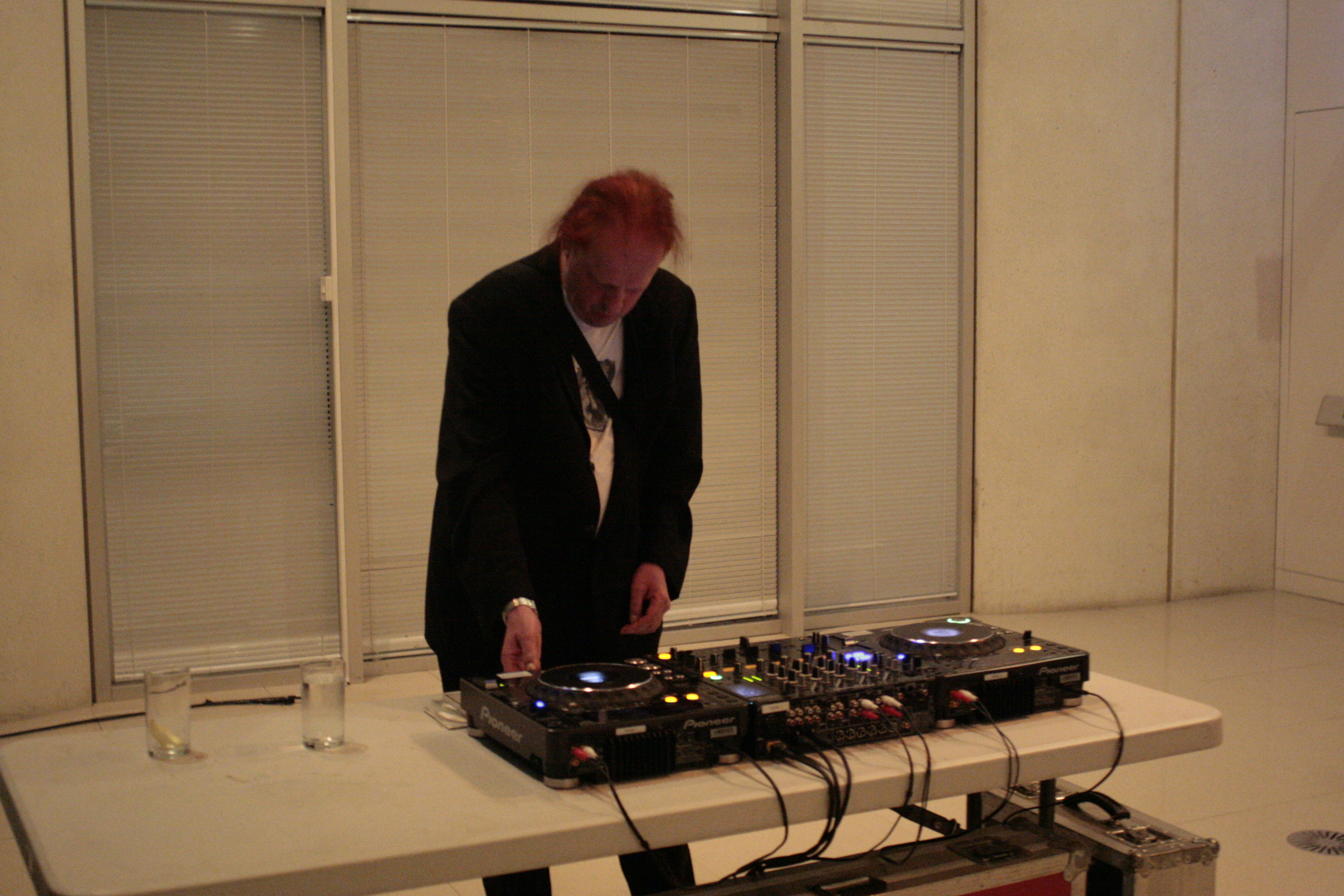

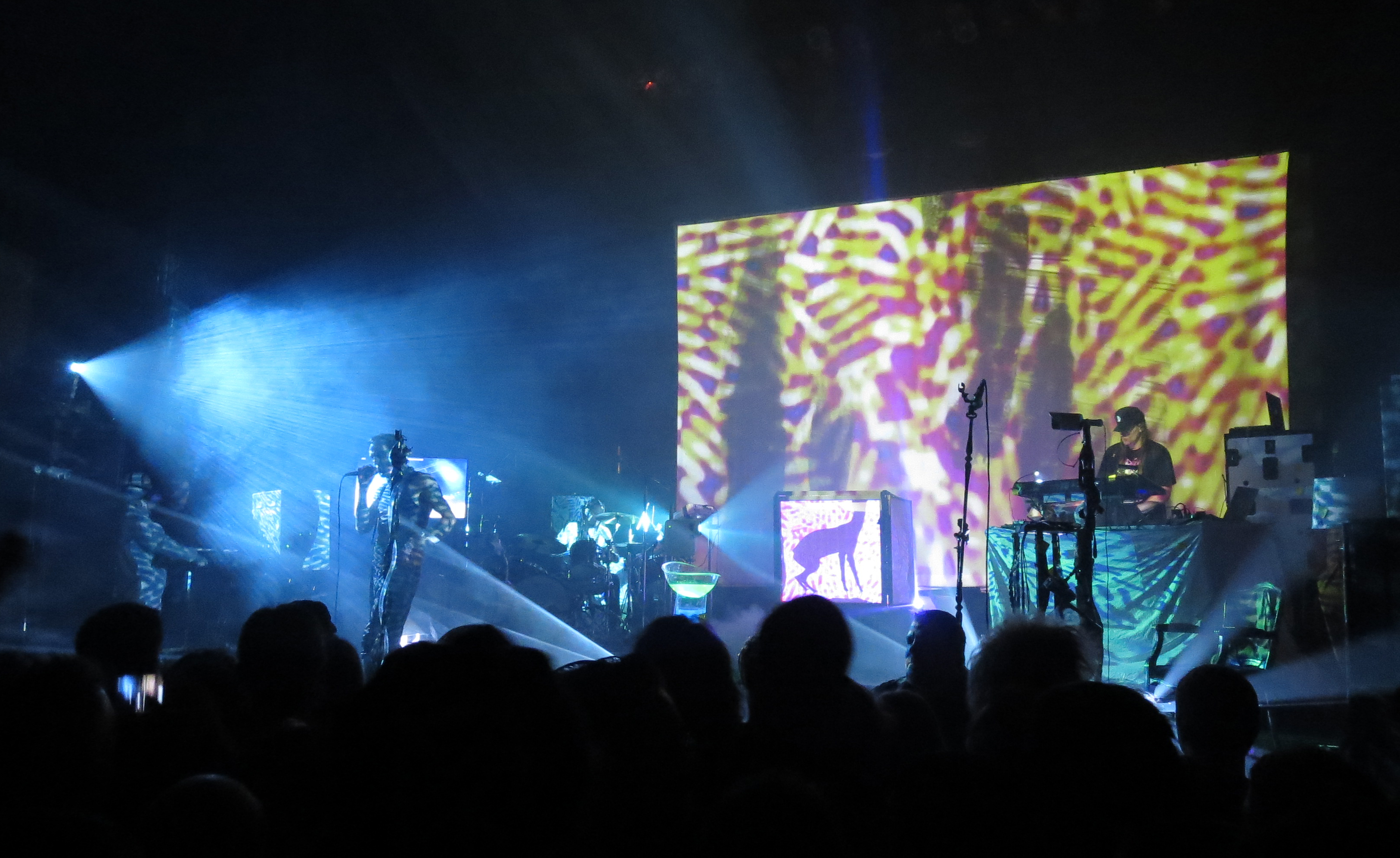 photo: swimfinfan (flickr) · cc by-sa 2.0 ↗
Skinny Puppy
Formed in Vancouver in 1982 around the core duo of Kevin Ogilvie (Nivek Ogre) and Kevin Crompton (cEvin Key), Skinny Puppy fused tape-collage noise, sequenced electronics, and Ogre's tortured, theatrical vocals into a sound that helped invent electro-industrial music, its horror-show aesthetic wrapped around explicitly political and animal-rights themes. Albums like Bites (1985), Mind: The Perpetual Intercourse (1986), and VIVIsectVI (1988) turned the band into an underground institution whose influence runs through industrial, EBM, and the more abrasive corners of electronic dance music alike.
the sound in question
1985
AssimilateSkinny Puppy
walk the tributaries ↓
Throbbing Gristle1970s–80s · Industrial / Noise / Experimental / Electronic
Recalling how his friend Bill Leeb introduced him to industrial music around 1983, cEvin Key named the genre's two most visible acts bluntly: "the most prominent were obviously Throbbing Gristle, Cabaret Voltaire — of course I'd heard of them." Key has said the records that circle played him "didn't really have a lot of production and rhythm — it was more production and scary sounds," which is exactly why he set out to graft his own rhythmic sensibility onto that confrontational noise-and-tape-collage vocabulary rather than simply copy it.
listen: upstream & heresource: Bandcamp Daily — cEvin Key interview, on discovering industrial music via Bill Leeb circa 1983 and naming Throbbing Gristle/Cabaret Voltaire as "the most prominent" ↗
1978
Hamburger LadyThrobbing Gristle
1986
Dig ItSkinny Puppy
listen forListen for harsh, unpitched tape noise, processed screams, and abrasive electronics with almost no conventional beat underneath — the "anti-music" Throbbing Gristle invented, before Skinny Puppy bolted a rhythm section onto it.
Cabaret Voltaire1970s-1980s · Industrial / Post-punk / Electro / EBM
Cabaret Voltaire is the other act cEvin Key names in the same breath as Throbbing Gristle when describing his introduction to industrial music around 1983 ("the most prominent were obviously Throbbing Gristle, Cabaret Voltaire"). The Sheffield trio's own minimal, tape-loop drum-machine pulse under murky, effects-drenched vocals gave Skinny Puppy an early template for turning noise into something closer to a groove.
listen: upstream & heresource: Bandcamp Daily — cEvin Key interview, on discovering industrial music via Bill Leeb circa 1983 and naming Throbbing Gristle/Cabaret Voltaire as "the most prominent" ↗
1979
Nag Nag NagCabaret Voltaire
1989
TestureSkinny Puppy
listen forListen for a stark, repetitive drum-machine pulse layered under echoing, effects-drenched vocals and looping tape scraps — Cabaret Voltaire's DIY industrial-funk groove points directly at Skinny Puppy's more sequenced, danceable tracks.
Kraftwerk1970s–80s · Electronic / Krautrock / Synth-pop
Historians of industrial music note that Genesis P-Orridge kept Kraftwerk records in his own cassette library, and critic Alexei Monroe has argued Kraftwerk were "particularly significant in the development of industrial music" as the first act to render industrial sound itself into the raw material of a nonacademic electronic record — a lineage AllMusic later distilled by describing Skinny Puppy's own sound as "Kraftwerk gone netherworld."
listen: upstream & heresource: Wikipedia — Industrial music (Kraftwerk cassette-library detail; Alexei Monroe on Kraftwerk's role in industrial music's development) ↗
1977
Trans-Europe ExpressKraftwerk
1989
WorlockSkinny Puppy
listen forListen for a deliberately mechanical, repetitive pulse where a machine rhythm carries the entire track — Kraftwerk's insistence that electronics alone could be the whole band resurfaces in Skinny Puppy's icy, sequencer-driven tracks, filtered through a much darker, more abrasive lens.