walking upstream…
Shilpa Rao


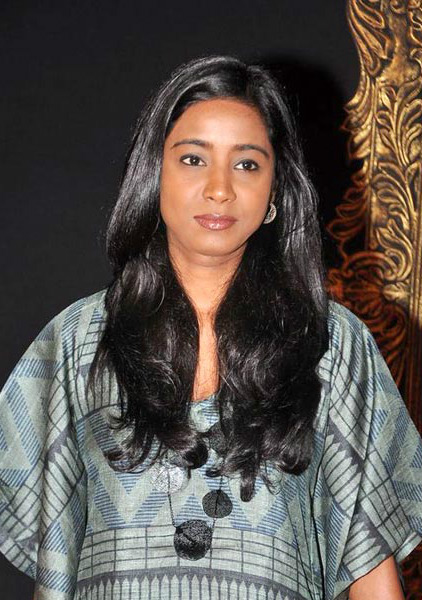 photo: bollywood hungama · cc by 3.0 ↗
Shilpa Rao
Shilpa Rao is an Indian playback singer whose career runs from early-2000s jingle work to some of Hindi cinema's biggest recent hits, including "Ghungroo" (War, 2019) and "Besharam Rang" (Pathaan, 2023). Trained from childhood by her music-graduate father and, from her teens, by Hindustani classical vocalist Ustad Ghulam Mustafa Khan, she brings raga-rooted ornamentation to an otherwise pop and filmi vocabulary, and describes her own listening as omnivorous — "anything that makes me smile."
the sound in question
2019
Ghungroo (from "War")Shilpa Rao
walk the tributaries ↓
Ghulam Mustafa Khan1970s–1990s · Hindustani classical / Khyal / Tarana
Rao's guru from age thirteen, insisted on by mentor Hariharan: her Rampur-Sahaswan khyal training under Ghulam Mustafa Khan is the source of the raga-based phrasing and ornamentation she carries into film songs, most visibly when a composition hands her a passage to enter and, as one critic put it, "elevate."
listen: upstream & heresource: Film Companion ↗
Ustad Ghulam Mustafa Khan – Raga Ramkali (Khayal Performance)Ghulam Mustafa Khan
2016
Bulleya (from "Ae Dil Hai Mushkil")Shilpa Rao
listen forIn "Bulleya" listen for how she enters midway through the track and bends notes with oscillating gamak-style ornaments and quick taans rather than just riding the tune — a classical-trained voice inside a Bollywood duet.
Mehdi Hassan1970s · Ghazal / Filmi / Hindustani classical
Rao names Mehdi Hassan explicitly among her childhood influences, praising what she calls his "perfect interpretation" of emotion and his "effortless style" — a restrained, ghazal-rooted delivery she has cited as a model for her own more understated playback work.
listen: upstream & heresource: The Score Magazine ↗
Mehdi Hassan – Ranjish Hi SahiMehdi Hassan
2013
Manmarziyaan (from "Lootera")Shilpa Rao
listen forIn "Manmarziyaan" listen for the unhurried phrasing and how she holds back power for most of the song, saving ornament for small, aching turns — the ghazal singer's trick of letting restraint carry the emotion.
Nusrat Fateh Ali Khan1980s–90s · Qawwali / Sufi devotional music / World music
She names Nusrat Fateh Ali Khan among the classical/qawwali records her father played at home in childhood, alongside Mehdi Hassan and Ustad Amir Khan — an early exposure she credits with opening her ear to Sufi vocal power beyond straight khyal.
listen: upstream & heresource: The Score Magazine ↗
Nusrat Fateh Ali Khan – Allah Hoo (Official Audio)Nusrat Fateh Ali Khan
2013
Malang (from "Dhoom:3")Shilpa Rao
listen forIn "Malang" listen for the surging, full-throated build in the higher register — the kind of raw Sufi intensity Rao has herself described as the song's "high energy and Sufi touch."