walking upstream…
Regina Spektor

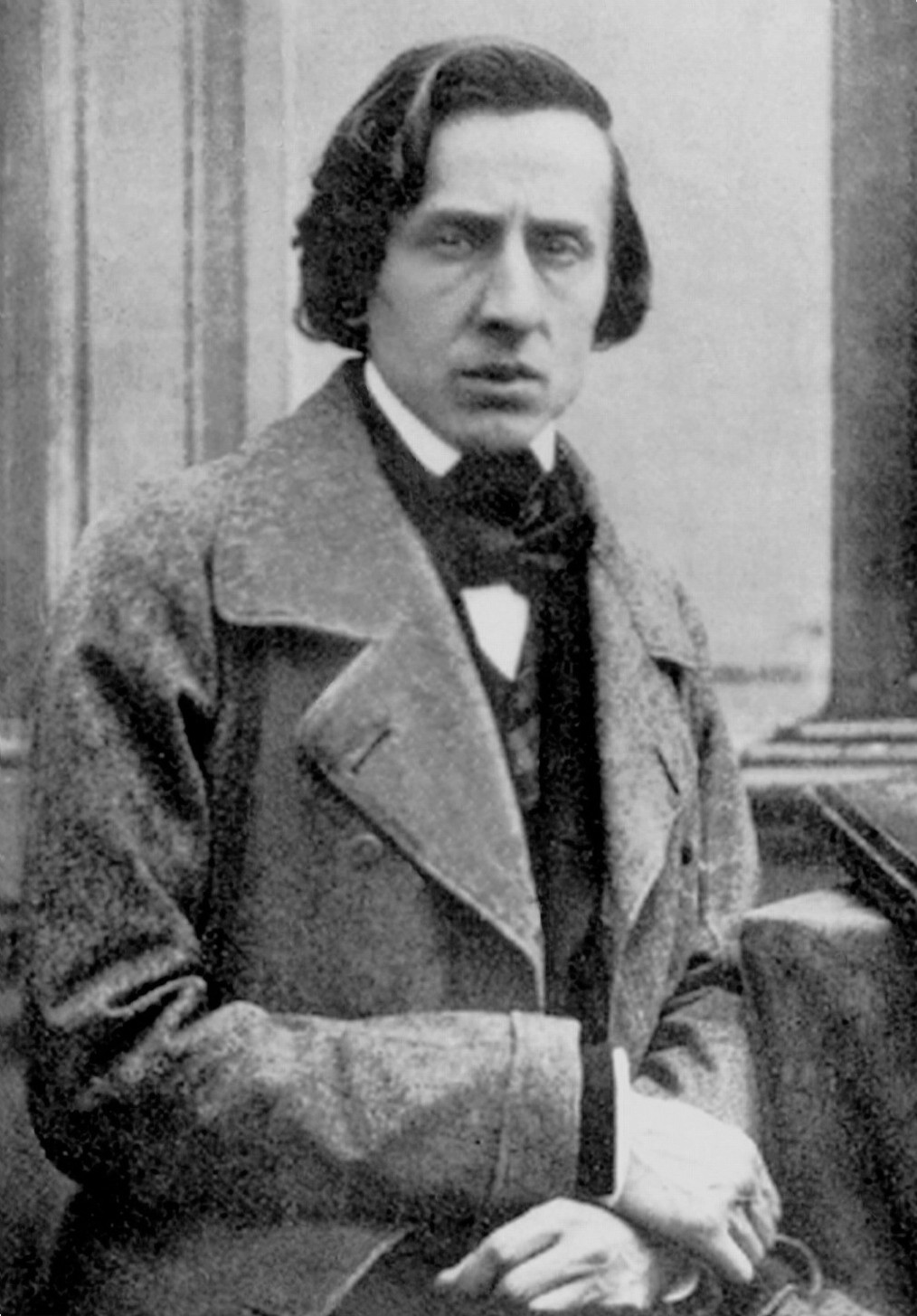

 photo: søren solkær starbird · cc by 3.0 ↗
Regina Spektor
Regina Spektor is a Moscow-born, New York-raised singer-songwriter and classically trained pianist who emerged from the early-2000s New York anti-folk scene with an unusually elastic voice and a habit of narrating songs like short stories, complete with invented accents, beatboxed syllables, and biblical or historical figures recast into modern scenes. Albums like Begin to Hope (2006) and Far (2009) turned her art-song eccentricity into a genuine pop crossover without ever smoothing out the idiosyncrasies that made her name.
the sound in question
2006
FidelityRegina Spektor
walk the tributaries ↓
The Beatles1960s · Rock / Pop / Rock and roll
Spektor's father traded cassette tapes to get her Beatles recordings as a kid in Moscow, and she's named them among the artists who shaped her most — she has said she wants to write "a classic like 'Yesterday'" even as her own songs veer stranger, using the Beatles' melodic economy as a target she measures her odder impulses against.
listen: upstream & here
1965
YesterdayThe Beatles
2006
SamsonRegina Spektor
listen forListen for how a Spektor song can turn a plain, hummable melodic hook into the backbone of something lyrically odd — the same trick "Yesterday" pulls off by wrapping real heartbreak in a tune simple enough for anyone to sing back.
Frédéric Chopin1830s-40s · Classical / Romantic
Spektor started classical piano lessons at seven in Moscow and has named Chopin among the composers who shaped her most; she's downplayed a direct stylistic debt but credited the training with teaching her to "search in a different way" across the keyboard for melodies, a habit that surfaces in her rubato-heavy, conversational piano lines.
listen: upstream & here
1832
Nocturne in E-flat major, Op. 9 No. 2Frédéric Chopin
2009
EetRegina Spektor
listen forListen for the way Spektor lets a piano phrase breathe and bend around her vocal instead of locking to a strict beat — the same expressive push-and-pull of tempo that defines a Chopin nocturne, repurposed for pop songwriting.
Joni Mitchell1970s · Folk / Folk rock / Jazz
Spektor has said that discovering singer-songwriters like Joni Mitchell as a teenager on a trip to Israel is what encouraged her belief that she could write her own songs rather than just play other people's — Mitchell's confessional, novelistic lyric-writing set a bar for turning ordinary detail into something devastating.
listen: upstream & here
1971
A Case of YouJoni Mitchell
2009
BetterRegina Spektor
listen forListen for how both writers zoom in on one small, specific image — a piece of fruit, a scar, a name — and let it carry the emotional weight of the whole song rather than stating the feeling outright.