walking upstream…
R. Kelly

sourcesLos Angeles Times — "The Righteous Brother" (Hathaway and Gaye/Cooke named as influences; Kenwood/McLin/Wonder talent-show story) · Vibe — "R. Kelly's Dec 1994/Jan 1995 Cover Story · Singersroom — "R. Kelly Traveled Back In Time For Inspiration on 'Love Letter'" (corroborates the Sam Cooke tribute show and the Zodiac-to-Love Letter pivot)
Robert Kelly grew up on Chicago's South Side, more interested in basketball than music until a teacher at Kenwood Academy, Lena McLin, talked him into a high school talent show; singing Stevie Wonder's "Ribbon in the Sky" there, he later said, felt like the moment "Spider-Man got bit." His mother's Donny Hathaway and Marvin Gaye records shaped the voice that followed: gospel testifying folded into slow-jam physicality across his 1993 debut, 12 Play, and the 1996 hit "I Believe I Can Fly." Kelly became one of R&B's most commercially dominant singer-producers through the 1990s and 2000s, writing and producing for himself and others across double albums, concept records, and a decade-spanning hip-hopera. He was convicted in 2021 of federal racketeering and in 2022 of child sexual abuse material offenses, ending his recording career.
the sound in question
1996
I Believe I Can FlyR. Kelly
walk the tributaries ↓
Donny Hathaway1970s · Soul / R&B / Gospel
Kelly's mother, Joann, filled their South Side apartment with Donny Hathaway records before her death in the early 1990s, and Kelly has never described a vocal debt more precisely: "A guy like Donny Hathaway had a focused, sexual texture in his voice that I always wanted in mine," he told the Los Angeles Times. "He had smooth, soulful tones, but he was spiritual at the same time. I cried like a baby when I found out he passed away." That mix — carnal delivery, gospel undertow — became his own vocal signature.
listen: upstream & here
1973
Someday We'll All Be FreeDonny Hathaway
1996
I Believe I Can FlyR. Kelly
listen forPlay Hathaway's 1973 "Someday We'll All Be Free" beside Kelly's 1996 "I Believe I Can Fly" and the architecture matches: a plain, hymn-like melody that starts almost spoken, then opens into a full choir behind a single voice straining upward past its comfortable range. Hathaway holds that strain like a preacher testifying past exhaustion; Kelly borrows the same climb, note for note, right down to the key change that pushes the chorus higher than the verse ever promised.
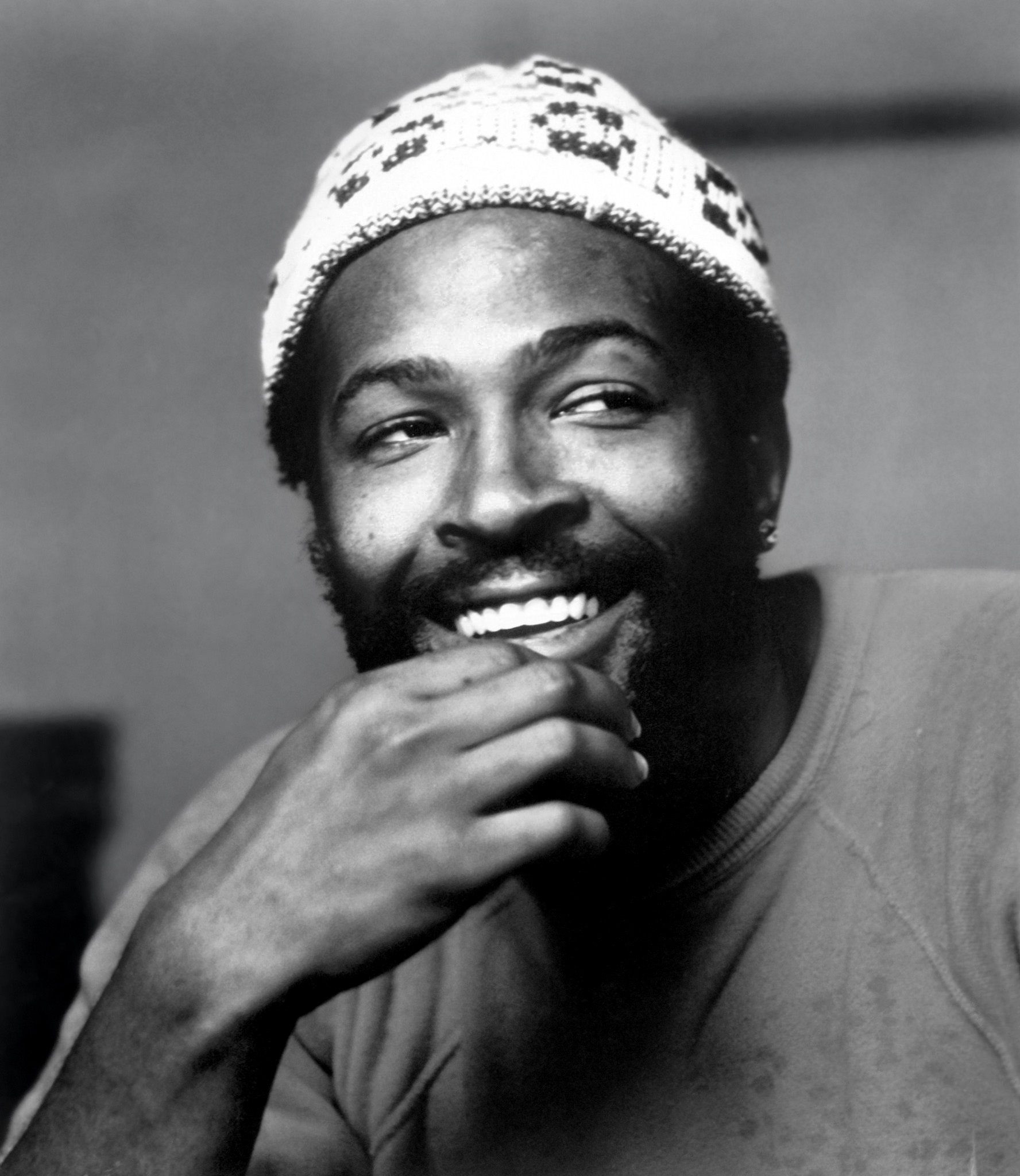
Marvin Gaye1970s · Soul / R&B
A 1998 Los Angeles Times profile, written as Kelly's gospel side surfaced on the sprawling double album R., placed him squarely in a lineage he'd spent the decade building toward: "Kelly is now flying with the gospel-soul duality of Al Green, Marvin Gaye and Chicagoan Sam Cooke," wrote Dave Hoekstra. The clearest evidence sits five years earlier, on Kelly's 1993 debut 12 Play, which introduced Kelly's own version of Gaye's carnal-testifying mode, right down to its biggest single.
listen: upstream & heresource: Let's Face the Music — "12 Play – R. Kelly (1993)" (critic comparison of "Bump n' Grind" to Marvin Gaye's "Let's Get It On") ↗
1973
Let's Get It OnMarvin Gaye
1993
Bump n' GrindR. Kelly
listen forPlay Gaye's 1973 "Let's Get It On" against Kelly's 1993 "Bump n' Grind" and the same unhurried seduction move plays out a generation apart: a slow, syncopated bassline, a falsetto-adjacent vocal that never rushes the beat, strings arriving only to underline the request rather than announce it. The blog Let's Face the Music made the lineage explicit, calling Kelly's biggest early single simply "'Let's Get It On' on Viagra."
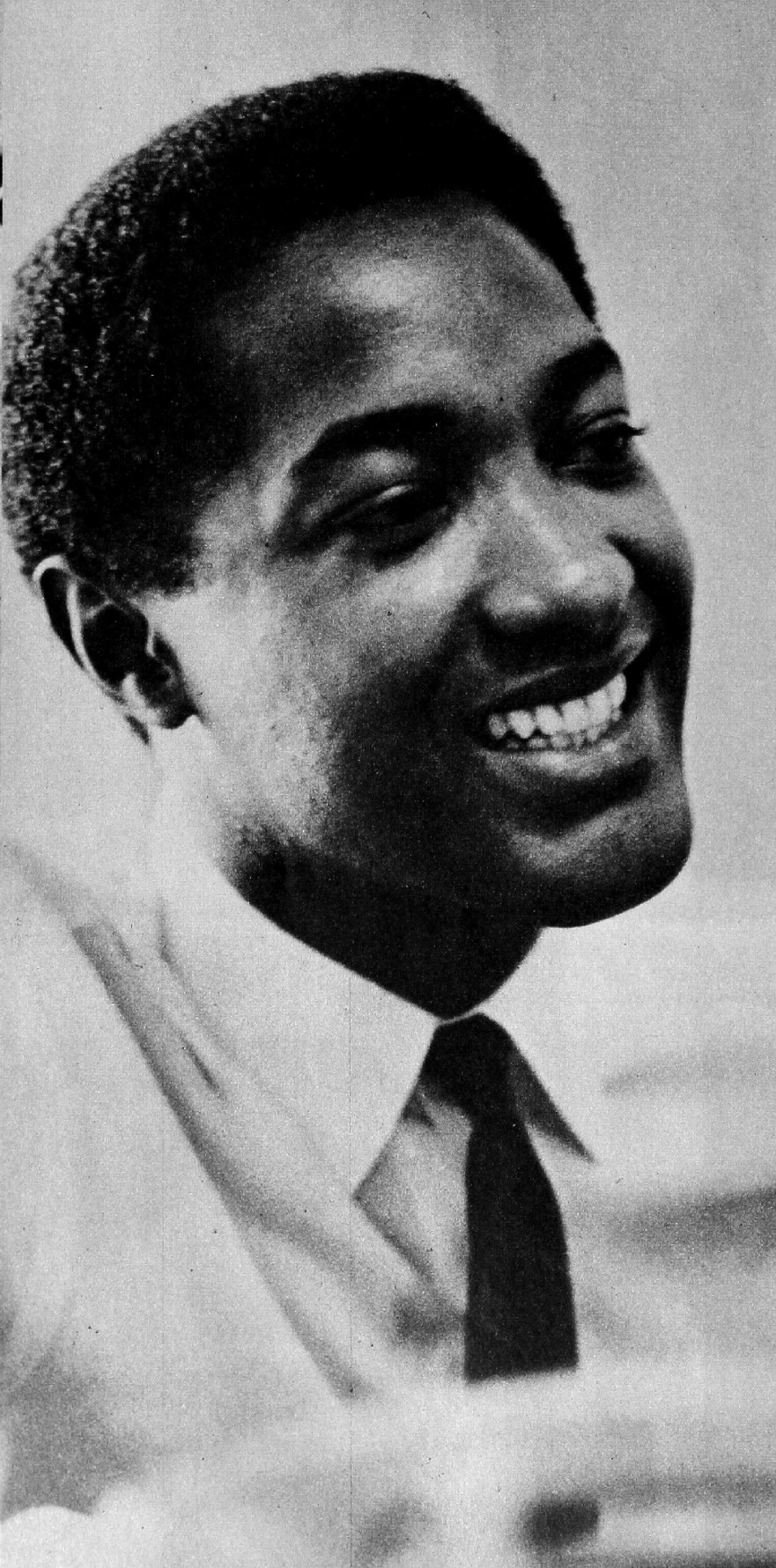
Sam Cooke1960s · Soul / R&B / Gospel
In late 2009, Kelly threw a Christmas party at his own house and, instead of performing as himself, staged the entire two-and-a-half-hour show Sam Cooke played at the Copacabana in 1964 — built stage, catwalk, bulb lights, a singer doing Billie Holiday, another doing Sinatra. "I didn't perform as R. Kelly," he told Interview magazine. "I performed the Sam Cooke show." He was mid-album on the sexed-up Zodiac at the time; after that night, he shelved it and made Love Letter instead, an album built around the sound he'd just spent one night inside.
listen: upstream & heresource: LA Weekly — "R. Kelly Interviewed by Will Oldham/Bonnie Prince Billy" (the Sam Cooke Copacabana tribute show, direct source of the Love Letter concept) ↗
1957
You Send MeSam Cooke
2010
When a Woman LovesR. Kelly
listen forPlay Cooke's 1957 breakthrough "You Send Me" beside the Love Letter lead single "When a Woman Loves" and you can hear which record Kelly was chasing: plainspoken devotion, an unhurried midtempo pulse under a warm backing chorus. Cooke never raises his voice above conversation; Kelly can't resist a few vocal runs the earlier record doesn't attempt, but he wraps them in the same uncomplicated verse-into-swell structure and a horn-and-string arrangement built to sound plucked from 1964, not 2010.