walking upstream…
Peter Gabriel

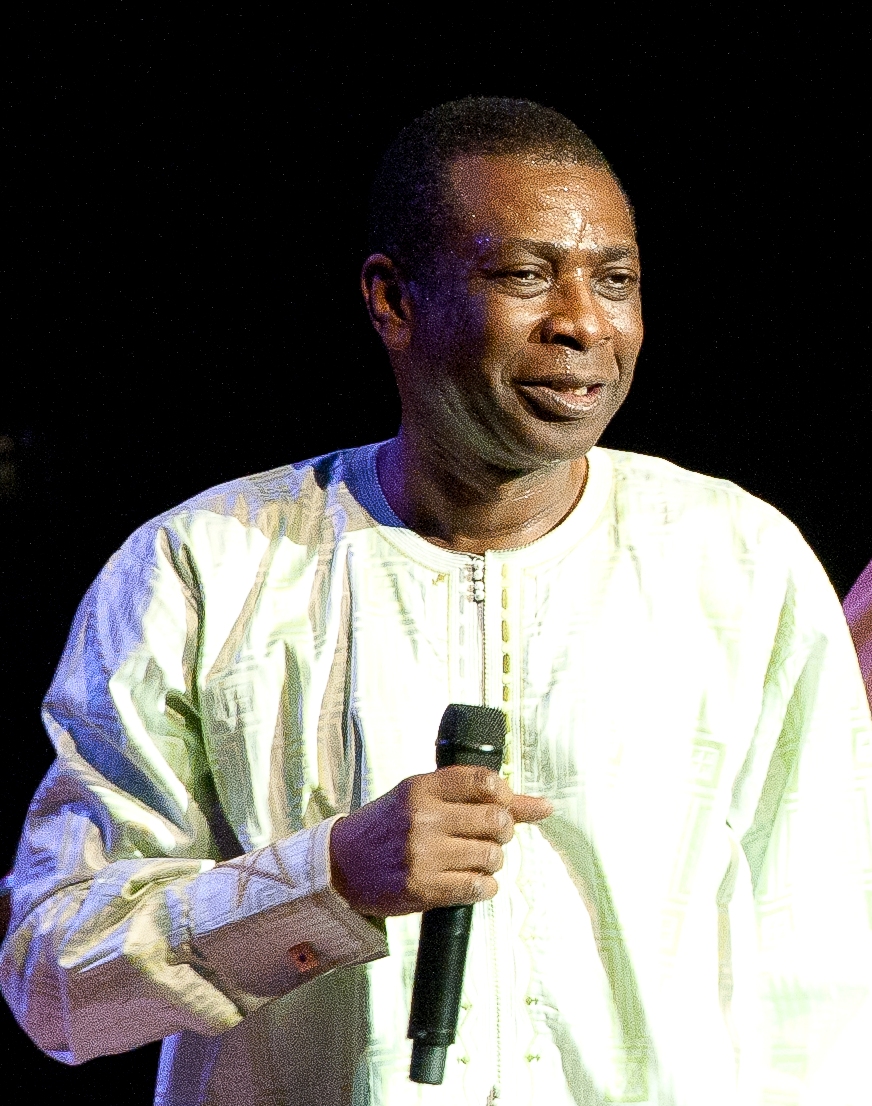
 photo: raph_ph · cc by 2.0 ↗
Peter Gabriel
sourcesABC News / Nightline — Peter Gabriel's All-Time Favorite Tracks, 2010 (Otis Redding corroboration) · Rolling Stone — Peter Gabriel Hits the Big Time, 1987 (Charterhouse/Otis Redding background) · Rolling Stone — Q&A · Rolling Stone — Wayne Jackson, Memphis Horns Legend, Dead at 74, 2016 (Sledgehammer horn session credit) · Wikipedia — Peter Gabriel
Peter Gabriel co-founded Genesis with Charterhouse schoolmates in 1967, trading covert record-buying trips to town for rebellion against the strict boarding school's rules. He left the band in 1975, chasing a rawer, more physical sound as a solo artist, and built a catalogue restless enough to fold art rock, soul, and drum-machine experimentation into 1986's So, the album that made him an unlikely MTV star without dulling his stranger instincts. Alongside the music he became one of rock's great institution-builders, founding the WOMAD festival and Real World Studios and touring for Amnesty International's human rights campaigns. Across five decades of interviews, Gabriel has stayed unusually specific about what shaped him — not genres, but names.
the sound in question
1986
In Your EyesPeter Gabriel
walk the tributaries ↓
Otis Redding1960s · Soul / R&B
In 1967, seventeen and one of maybe three white faces in the room, Gabriel talked his way into Brixton's Ram Jam Club to see Otis Redding. He has told the story in nearly identical words across four decades: "It was like the sun coming out," he said in 2018. "This amazing voice, band, generosity... what hits us hard when we're 17 stays with us for life." Nearly twenty years later, chasing that same soul heat on "Sledgehammer," Gabriel brought in Wayne Jackson, the Stax trumpeter who'd cut horn charts behind Redding on Otis Blue — a literal session-room link back to the club night that never left him.
listen: upstream & heresource: Academy of Achievement — Peter Gabriel interview, 2018 (Otis Redding and Youssou N'Dour testimony) ↗
1966
Try a Little TendernessOtis Redding
1986
SledgehammerPeter Gabriel
listen forCue Redding's "Try a Little Tenderness": horns idle behind him through two patient verses, then detonate into stabbing hits as his voice cracks and climbs to a shout. "Sledgehammer" borrows the shape whole — a slow-build verse breaking into a brass fanfare arranged by that same Stax trumpeter two decades after he punched up Redding's records. Listen for how both vocalists stop singing pretty exactly when the horns arrive, handing control of the song over to that push.
The Nice1960s · Progressive rock / Psychedelic rock / Classical crossover
Gabriel and his Charterhouse songwriting partner, keyboardist Tony Banks, chased another band around English clubs with the same devotion they gave Redding: The Nice, Keith Emerson's classical-crossover trio before he formed Emerson, Lake & Palmer. "If you saw The Nice they were exciting both musically and in terms of showmanship," Gabriel said in 2004 — the same theatrical pull that once had Jimi Hendrix asking about joining. He named the debt outright: writing Genesis's early set-closer "The Knife," he said, "was very much inspired by [Banks's] and my enthusiasm for The Nice."
listen: upstream & heresource: Louder / Classic Rock — Peter Gabriel ↗
1968
America (Second Amendment)The Nice
1980
Family SnapshotPeter Gabriel
listen forNo recording carries that specific debt forward on its own — "The Knife" belongs to Genesis, not Gabriel's solo catalogue — but the theatrical instinct The Nice sharpened in him does. Their "America" lurches from a mannered classical quote into a slamming, sped-up climax, all sudden gear-changes and showmanship. Gabriel's solo "Family Snapshot" works the same trick alone: a hushed, coiled verse detonating into a full-band chorus, the drama built entirely from the jump between quiet and loud.
Youssou N'Dour1980s–90s · Mbalax / World Music / Afro-Cuban
Asked how a song as strange as "In Your Eyes" came together, Gabriel didn't credit a chord change. "I was in love with a lot of African music around that time," he said, describing an idea that fascinated him: a love song ambiguous enough to be addressed to a woman or to God, collapsing a divide his own culture kept separate. "And then I was working with Youssou N'Dour, who does this amazing singing," he told the Academy of Achievement. "There's this sort of angelic voice at the end." That closing passage is N'Dour's own voice, not a borrowed idea of one.
listen: upstream & heresource: Academy of Achievement — Peter Gabriel interview, 2018 (Otis Redding and Youssou N'Dour testimony) ↗
1984
ImmigrésYoussou N'Dour
1986
In Your EyesPeter Gabriel
listen forPlay "Immigrés," the 1984 mbalax record — driving West African dance music built on tama talking-drum patterns — that first carried N'Dour's name abroad, then go straight to the last ninety seconds of "In Your Eyes." Gabriel's voice drops out entirely; what closes the song is N'Dour singing, unaccompanied, in his native Wolof rather than English. Listen for how the track doesn't resolve on a chorus but on that untranslated, wordless-feeling plea — devotion left open exactly the way Gabriel said he wanted it.