walking upstream…
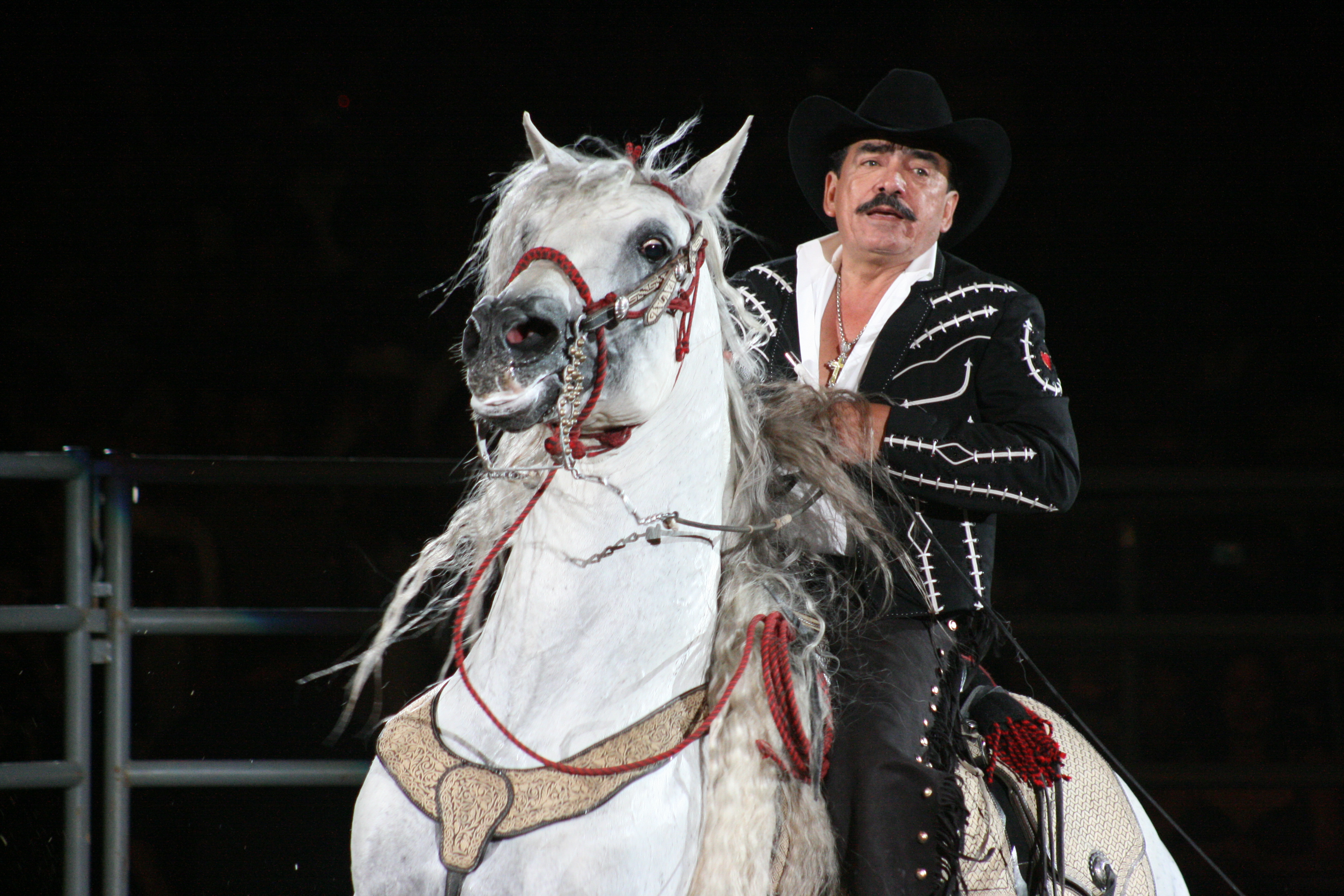
Pancho Barraza

sourcesIconos Magazine — "Tres décadas cantando poesías de amor" (primary interview naming Zamacona, Solís, and Sebastian as his formative icons) · Milenio — Barraza's own words naming the "cantautor" lineage he sees himself continuing · Univision — upbringing with his grandparents in Juan José Ríos, Sinaloa · Semanario ZETA — his rock/jazz/pop formation, joining Los Recoditos, and the addiction "rebirth" · Billboard Español — Fonovisa Records signing and the origin of his romantic-banda sound · Wikipedia — Pancho Barraza career overview
Francisco Javier Barraza Rodríguez was raised by his grandparents in Juan José Ríos, Sinaloa, after his parents separated when he was nine months old; he later credited his grandmother's constant singing with teaching him to love music. He trained as a schoolteacher, then in 1989 joined the youth group Banda Los Recoditos, where he wrote songs, sang lead, and — by his own account — invented banda music's romantic-ballad style over the band's initial resistance. He went solo in 1995 with "Mis Canciones de Amor," fronting his own Banda Santa María, and built a catalogue of confessional heartbreak songs that earned him the nickname "El Poeta del Amor." A decade sidelined by addiction ended in what he calls a "rebirth"; he signed to Fonovisa Records in 2024. He calls himself not a singer but a "cantautor," working to stand as strong as the songwriters who came before him.
the sound in question
1998
Mi Enemigo El AmorPancho Barraza
walk the tributaries ↓
José Manuel Zamacona1980s · grupera / balada romántica / regional mexicano
Asked in 2022 who made him believe he could become a singer, Barraza named two men, not a songwriting giant: "Marco Antonio Solís y José Manuel Zamacona fueron los artistas con los que yo alucine y soñé que podía ser artista algún día" (Solís and Zamacona, he said, were the artists whose success made him dream he could be one too). Zamacona had fronted the romantic grupera band Los Yonics for decades. When he lay dying of COVID-19 in 2021, Barraza recorded "Lucharé Por Ti" — his first-ever composition, written decades earlier — as a duet with him, then signed its royalties to Zamacona's family for the funeral bills.
listen: upstream & heresource: Periódico AM — Barraza donates "Lucharé por Ti" royalties to José Manuel Zamacona's family ↗
1995
Palabras TristesJosé Manuel Zamacona
2021
Lucharé Por TiPancho Barraza
listen forZamacona's 1995 signature "Palabras Tristes" rides on a smooth, unhurried baritone that hangs just behind the beat, all restraint until the chorus finally opens up. On "Lucharé Por Ti," cut weeks before his death, that same voice sits directly against Barraza's more plaintive, sustained-note delivery in a traded-verse arrangement — two men who'd spent careers writing the same kind of aching, romantic ballad finally singing one together, one voice gone gravelly with age, the other still reaching for the high note.
Joan Sebastian1990s · Ranchera / Regional Mexican / Grupero
Asked point-blank who his icon is, Barraza doesn't hedge or list several names — he names one: "El icono más grande que tuve es mi compadrito Joan Sebastián, porque es el único que cada vez que sacaba una canción nueva parecía que se había enamorado de otra mujer" (his biggest icon ever, he says, because every new song of Sebastian's felt like he'd fallen for a different woman). What amazed him, he went on, was how Sebastian kept finding new language and subject matter across more than a thousand songs without repeating himself — the exact discipline Barraza has spent three decades trying to match.
listen: upstream & here
2006
Eso y MásJoan Sebastian
2013
Poeta del AmorPancho Barraza
listen for"Eso y Más" finds Sebastian trading his usual ranchera narrators for a swelling, string-laden pop ballad — proof, mid-catalogue, that he could reinvent the frame around a love song without losing the plainspoken ache in his voice. "Poeta del Amor" is Barraza attempting the same maneuver years later: dropping the tuba and clarinet entirely for an orchestral-pop arrangement, his voice still built for banda phrasing but now stretched over strings, chasing the reinvention Sebastian modeled first.
Marco Antonio Solís1980s-2000s · balada romántica / grupera / regional mexicano / latin pop
Solís earns an explicit rank in Barraza's private hierarchy of songwriters. Asked why his own songs still land three decades on, he places himself just behind the older man on a short list of true "cantautores": "Marco Antonio Solís es un cantautor... y dentro de ese gremio de cantautores vengo trabajando yo, buscando la manera de colocarme tan fuerte como ellos" (Solís, he says, is one of the real ones, and he's still working to stand as strong). In the same interview he named the one song fans can't let go of — a Los Bukis reunion would work, he said, because people still want to sing "Tu Cárcel" again.
listen: upstream & here
1987
Tu CárcelMarco Antonio Solís
1998
Mi Enemigo El AmorPancho Barraza
listen for"Tu Cárcel" builds through a hushed verse before the chorus throws open every horn and string Los Bukis had, engineered to be shouted back by a stadium — the exact reunion sing-along Barraza singled out by name. "Mi Enemigo El Amor" runs the same architecture through a Sinaloan tuba-and-clarinet banda: a small, wounded verse breaking into a chorus so plain and repetitive it turns into a crowd chant, the closest Barraza's catalogue comes to Solís's own gift for turning heartbreak into something a whole room can sing.