walking upstream…
MC5

sourcesPerfect Sound Forever — Rob Tyner tribute (Sun Ra eulogy, James Brown persona) · NPR — Wayne Kramer profile (formative Chuck Berry/Duane Eddy/Little Richard singles) · Contemporary Musicians (Gale) — "The MC5" (Tyner's James Brown quote, Back in the U.S.A. framing) · BBC Culture — MC5 counterculture retrospective (band bio, showmanship framing)
In the winter of 1964, two Lincoln Park, Michigan teenagers who'd spent a summer teaching each other guitar chords decided their band needed a name that sounded like a car part: MC5. Wayne Kramer and Fred "Sonic" Smith recruited singer Rob Tyner, bassist Michael Davis and drummer Dennis Thompson, and under manager John Sinclair's radical tutelage turned Detroit bar-band chops into something closer to a weapon. Kick Out the Jams (1969), recorded live at the Grande Ballroom, caught the band at its most dangerous, free-jazz skronk colliding with garage-rock riffs and White Panther sloganeering, before Back in the U.S.A. (1970) and High Time (1971) chased a tighter sound. They split in 1972, broke and largely unheard; punk found them anyway.
the sound in question
1969
Kick Out the JamsMC5
walk the tributaries ↓
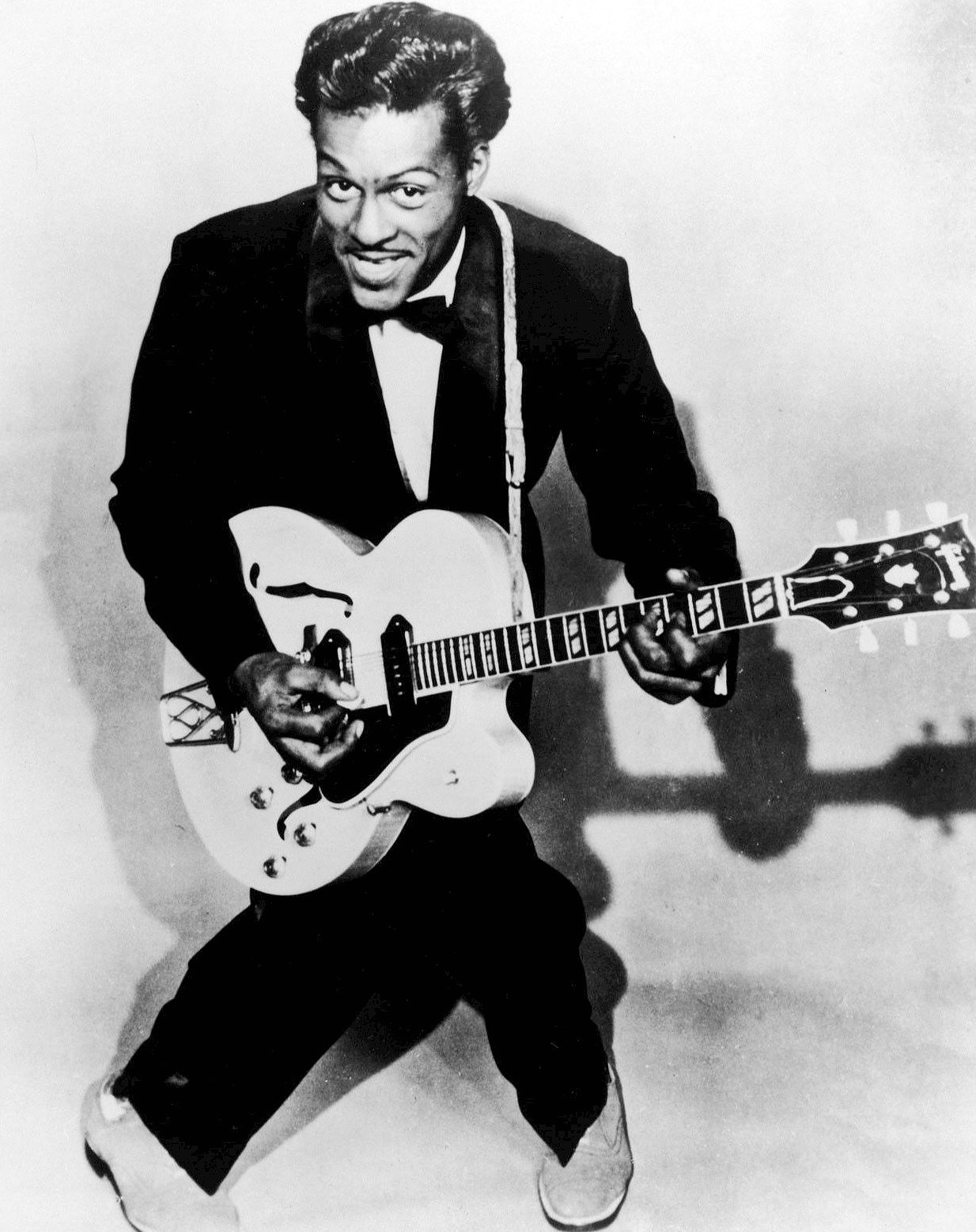
Chuck Berry1950s · Rock and roll / Rhythm and blues
Kramer's world cracked open, by his own account, the moment he heard "Johnny B. Goode" as a kid, one of three singles his memoir credits with turning him toward guitar. He and Fred Smith taught themselves to play by copying Chuck Berry records together; Smith, Kramer said, "followed in the school of Chuck Berry rhythm guitar playing... and that's how it all started." By 1970 the debt was explicit: the whole second album took its title from, and opened with a cover of, Berry's own "Back in the U.S.A."
listen: upstream & heresource: Perfect Sound Forever — Wayne Kramer interview (Sun Ra, Chuck Berry, James Brown influences) ↗
1959
Back in the U.S.A.Chuck Berry
1970
Back in the U.S.A.MC5
listen forPlay Berry's 1959 "Back in the U.S.A." against MC5's 1970 title-track cover and the chassis is identical, same lyric, same twelve-bar chug, but the engine's been swapped: the rhythm guitar doubles Berry's line at twice the volume and half the swing, turning a homecoming postcard into a blunt, driving statement. That compression of Berry's loose shuffle into something harder and flatter is the whole MC5 method in miniature.
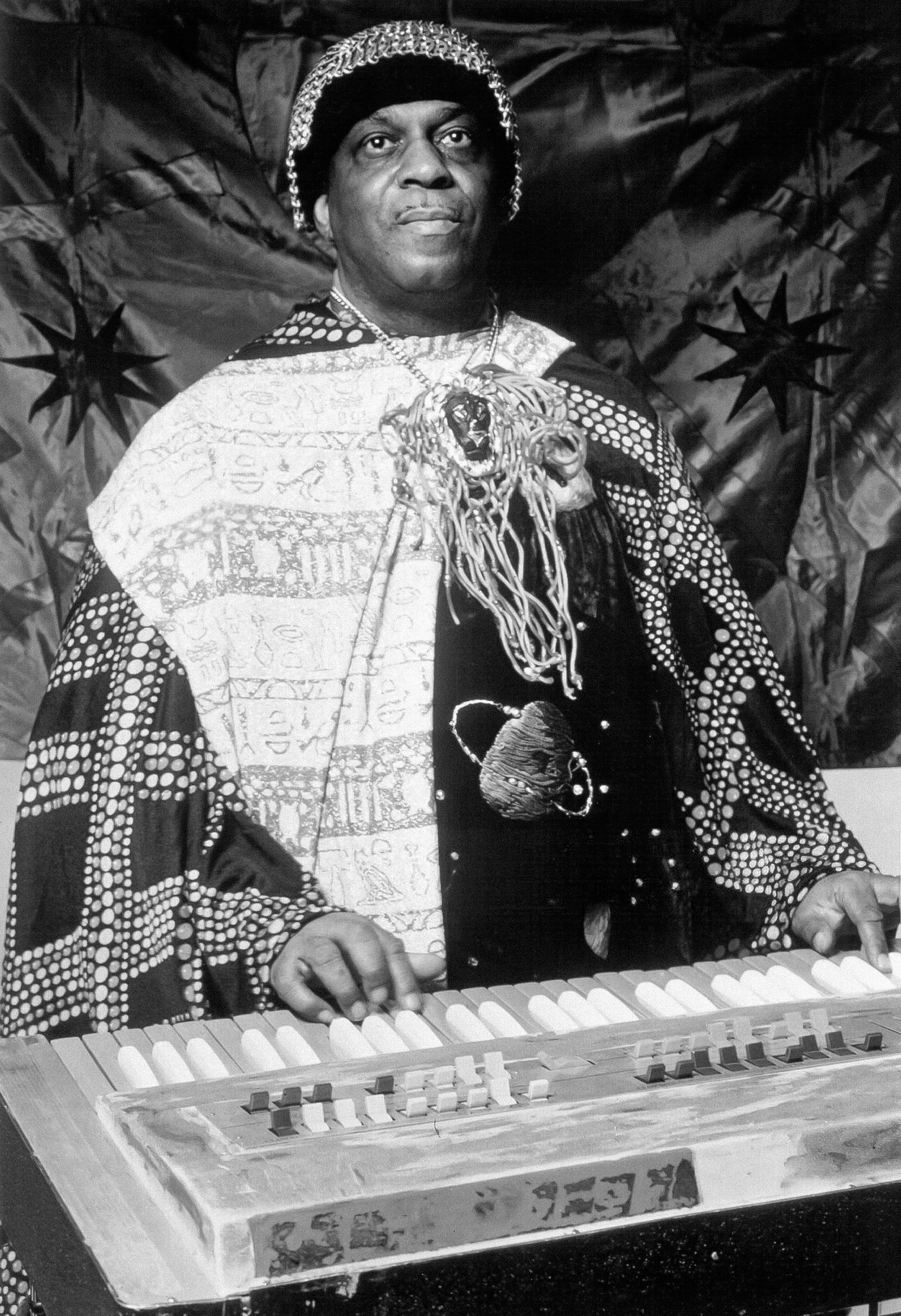
Sun Ra1970s · Free jazz / Avant-garde jazz / Jazz
Kramer named the free-jazz figure again and again, not lumped in with Coltrane and Ayler as a genre tag but singled out by name: "We were all trying to get through that door that Sun Ra opened up... that Pharoah Sanders and Archie Shepp opened up," he told Perfect Sound Forever. The debt turned literal on Kick Out the Jams' closing track: "Starship" carries a shared MC5/Sun Ra songwriting credit, its spoken-word intro built from lines out of the Arkestra leader's own cosmic mythology, chanted over a nine-minute jam.
listen: upstream & heresource: Perfect Sound Forever — Wayne Kramer interview (Sun Ra, Chuck Berry, James Brown influences) ↗
1966
Rocket Number Nine Take Off for the Planet VenusSun Ra
1969
StarshipMC5
listen forSun Ra's "Rocket Number Nine" rides a spoken countdown and skittering percussion into an interstellar chant, the horns dissolving into pure texture. MC5's "Starship" answers at guitar-band scale: a spoken invocation gives way to nine minutes of guitars grinding toward noise, chasing the same cosmic release Sun Ra reached through saxophone freak-outs. Listen for the point where each song stops being a song and becomes atmosphere instead — that threshold is the inherited move.
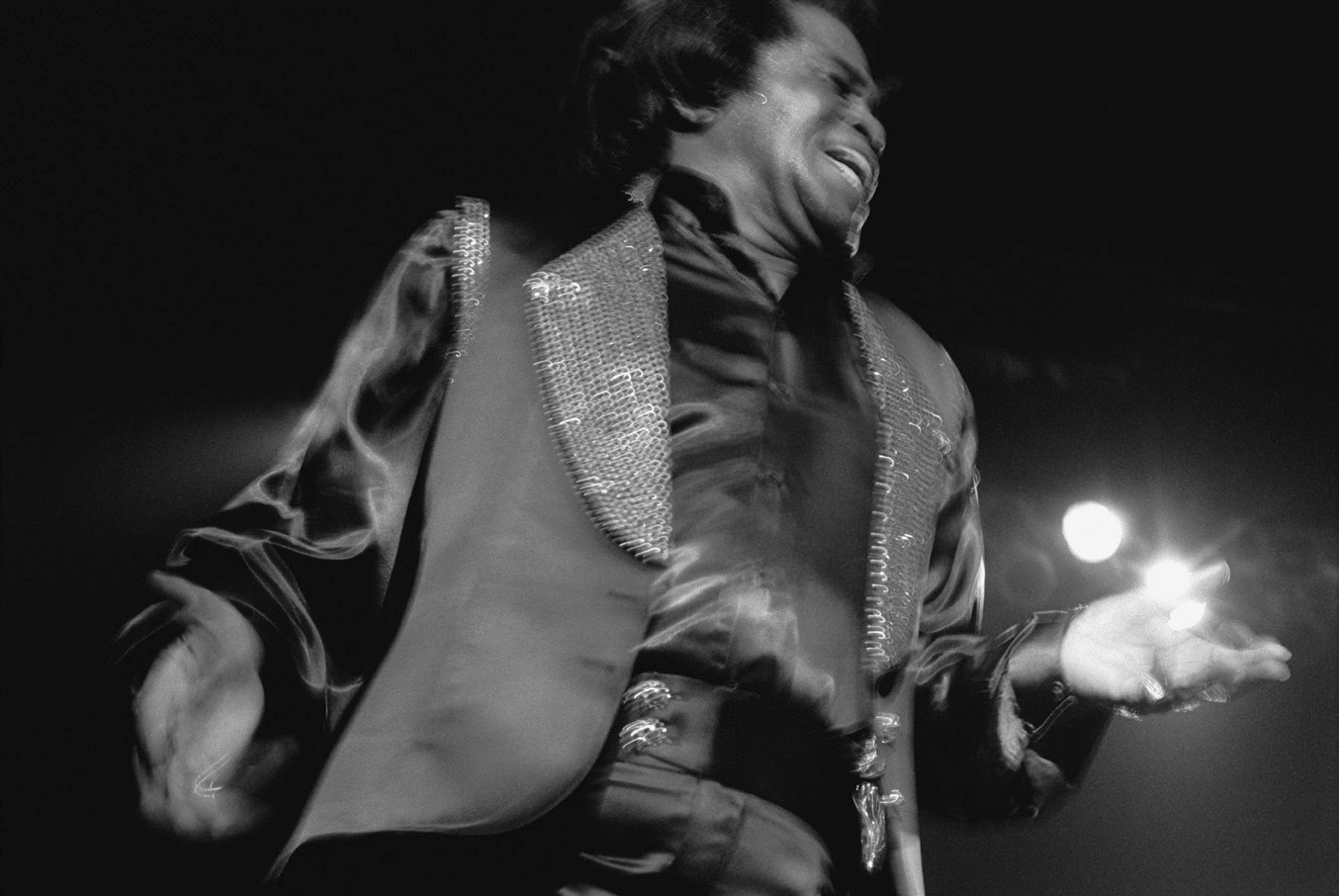
James Brown1960s–70s · Funk / Soul / Rhythm and blues
Tyner set the bar bluntly, in a magazine interview reprinted years later: "To be a white singer in Detroit at that time, you simply were the wrong man for the job; I did not feel comfortable as a performer until I could pull off James Brown material without flaw." Kramer backs him up, describing the band's whole aesthetic as chasing "a lot of heat and energy, like the music of James Brown, black gospel music" rather than whatever was on the radio.
listen: upstream & heresource: Perfect Sound Forever — Wayne Kramer interview (Sun Ra, Chuck Berry, James Brown influences) ↗
1963
Please, Please, Please (Live at the Apollo)James Brown
1969
Kick Out the JamsMC5
listen forJames Brown's "Please, Please, Please," from the 1963 album Live at the Apollo, is built on collapse: Brown pleading and staggering, caught mid-breakdown by the band's tension-and-release vamp. MC5's own live debut opens the same way at a different pitch — Rob Tyner's screamed "kick out the jams" is less plea than command, but it's the same all-or-nothing bet that one vocal performance, captured live, can carry a whole album.