walking upstream…
Lynyrd Skynyrd



Formed by childhood friends in Jacksonville, Florida in the mid-1960s, Lynyrd Skynyrd fused British blues-rock volume with Southern storytelling and country plainspokenness into a sound built on triple-guitar interplay and Ronnie Van Zant's unadorned, working-class voice. "Sweet Home Alabama" and the extended coda of "Free Bird" made them the definitive Southern rock band of the 1970s, a run cut short by the 1977 plane crash that killed Van Zant and guitarist Steve Gaines. Surviving members later rebuilt the group, keeping its songbook and its outlaw regional pride on the road for decades after.
the sound in question
1974
Sweet Home AlabamaLynyrd Skynyrd
walk the tributaries ↓
Free1970s · blues rock / hard rock
Rossington, Van Zant, and Collins caught Free at a Jacksonville skating rink and came away so floored by Paul Kossoff's tone and Paul Rodgers' vocal power that the three of them resolved on the spot to get serious about the band; the spacious, blues-soaked lead-guitar language Free specialized in fed directly into Skynyrd's slower, tone-first guitar showcases.
listen: upstream & heresource: Gary Rossington on Cream, the Yardbirds, Free, the Stones, and the Beatles, and the pivotal Jacksonville skating-rink show (Guitar World) ↗
1970
All Right NowFree
1974
The Ballad of Curtis LoewLynyrd Skynyrd
listen forUnhurried, vibrato-heavy single-note lead lines that let a bent note ring out over a stripped-back rhythm section, rather than racing through licks.
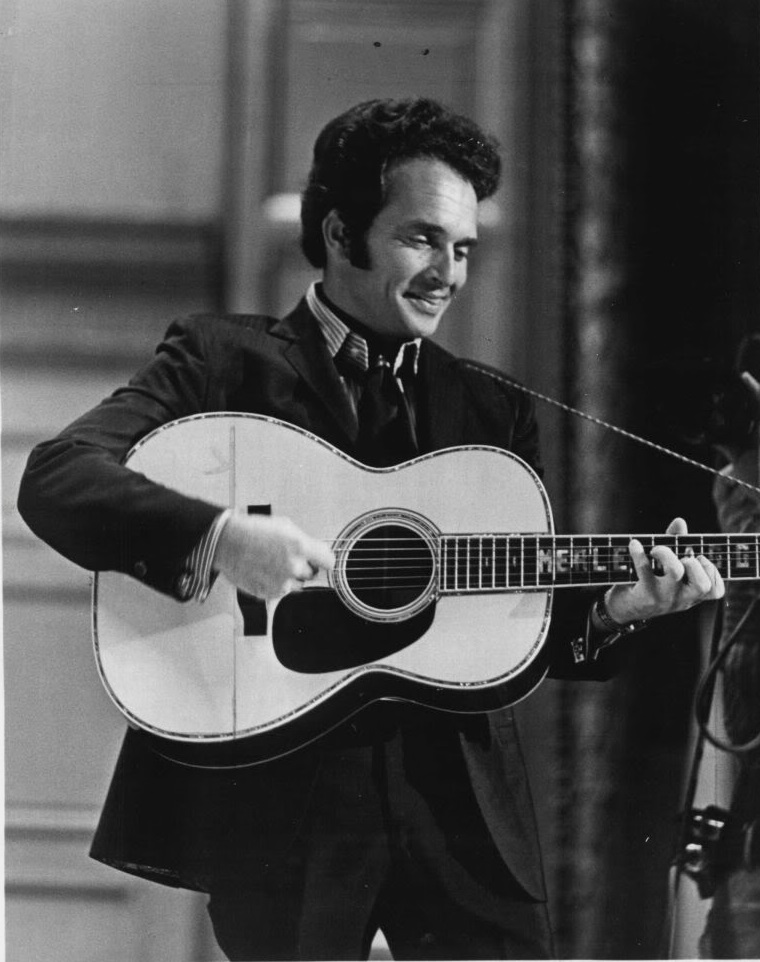
Merle Haggard1960s–70s · Country / Bakersfield sound / Outlaw country
Van Zant grew up on Haggard's honky-tonk records and Grand Ole Opry radio, and it shaped both his plainspoken, story-first songwriting and his unadorned vocal delivery; Skynyrd went as far as cutting their own version of Haggard's "Honky Tonk Night Time Man" as a direct tribute, with Rossington saying they did it "to show our love for Merle."
listen: upstream & heresource: Rossington on covering Merle Haggard's "Honky Tonk Night Time Man" "to show our love for Merle" (Society of Rock) ↗
1968
Mama TriedMerle Haggard
1973
Simple ManLynyrd Skynyrd
listen forNarrative verses sung in a flat, conversational register with almost no vocal ornamentation, letting the story in the lyric carry the song.
The Rolling Stones1960s-70s · Rock / Blues rock / Hard rock
Gary Rossington named the Stones among the British bands that pushed the teenage Jacksonville group to take rock and roll seriously, and Skynyrd's early club-band attack — riff-first rhythm guitar behind a snarling, talk-singing frontman — carries that same Chuck-Berry-via-London swagger from before the band found its own three-guitar identity.
listen: upstream & here
1965
(I Can't Get No) SatisfactionThe Rolling Stones
1973
Gimme Three StepsLynyrd Skynyrd
listen forThe chugging, downstroke rhythm-guitar pulse driving the verses, and Van Zant's conversational, half-shouted phrasing riding just behind the beat.