walking upstream…
Lucinda Williams

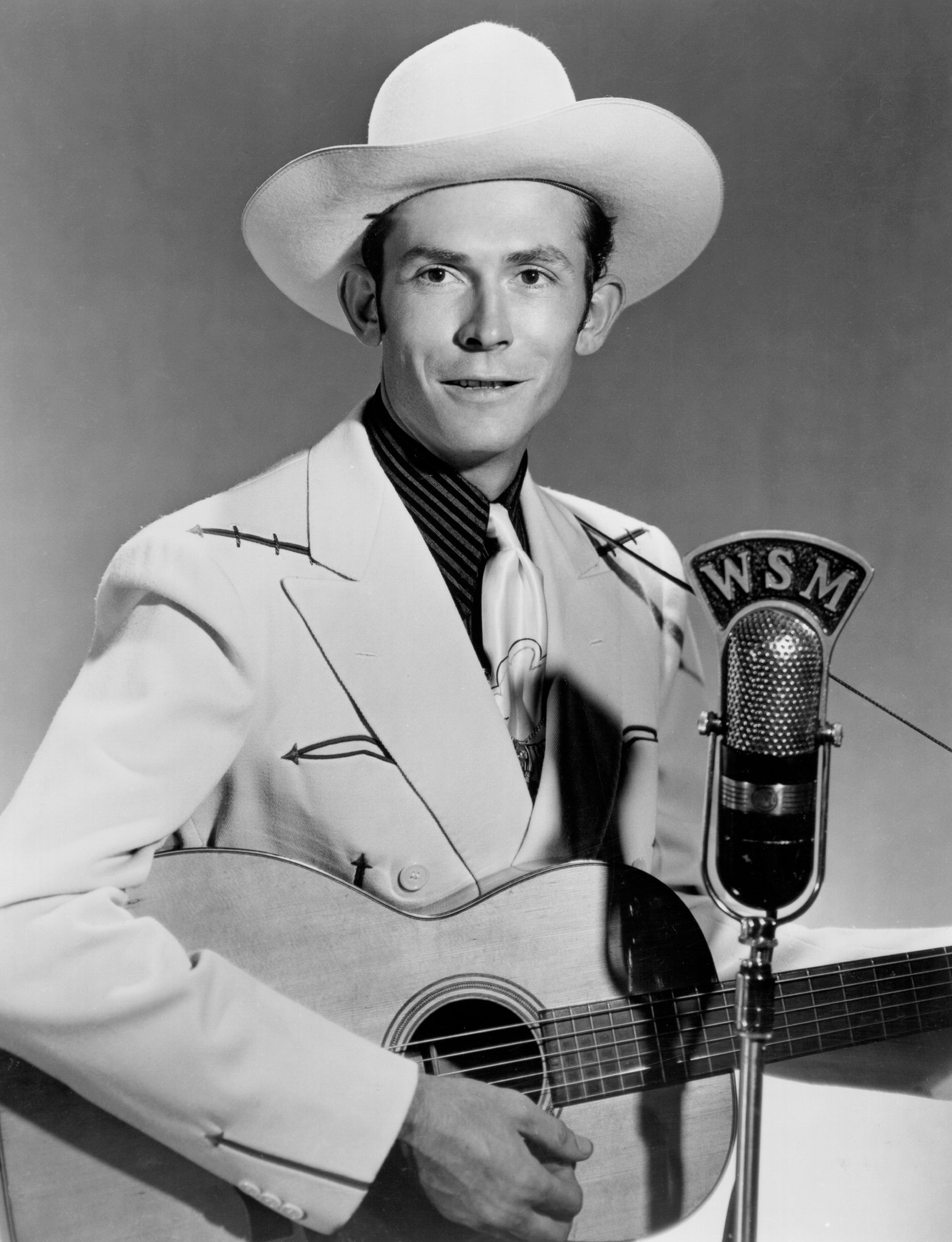
 photo: alan turkus · cc by 2.0 ↗
Lucinda Williams
sourcesWikipedia
Born in Lake Charles, Louisiana in 1953 and raised on the move through a string of Southern college towns as the daughter of poet and literature professor Miller Williams, Lucinda Williams grew up absorbing two educations at once: her father's shelf of poetry and civil-rights-era conviction, and the Delta blues and country radio that filled the house. She spent the late 1970s and 1980s as a scrupulous, hard-to-classify roots artist — a 1979 debut of blues and folk covers, then two albums of increasingly personal original songs — before 1998's 'Car Wheels on a Gravel Road' became a slow-building commercial and critical breakthrough, its plainspoken, geographically specific songwriting helping define the alt-country and Americana movements. She kept writing prolifically into her seventies, surviving a 2020 stroke that changed how she plays guitar without slowing her recording pace.
the sound in question
1998
Car Wheels on a Gravel RoadLucinda Williams
walk the tributaries ↓
Bob Dylan1960s · Folk / Folk rock / Rock
Williams has described hearing 'Highway 61 Revisited' as the moment songwriting and rock and roll fused into what she wanted to make her life's work, telling interviewers she loved 'the combination of the electric with the folk' and that 'a lot of new ground was being broken.' She has also pointed specifically to Dylan's habit of threading biblical stories and religious language through secular songs, saying she was 'influenced a lot' by that technique — a device she later leaned on directly in her own gospel-inflected material.
listen: upstream & heresource: WFUV ↗
1965
Highway 61 RevisitedBob Dylan
2001
Get Right with GodLucinda Williams
listen forPut the title track of 'Highway 61 Revisited' — which opens by recasting the story of Abraham and Isaac as a wisecracking blues verse — next to 'Get Right with God,' where Williams stacks revivalist religious imagery over a droning, distorted blues-rock riff. Both use scripture as raw material for a voice that's more interrogating than devotional.
Hank Williams1940s-50s · Country / Honky-tonk
Miller Williams was such a devoted fan of Hank Williams that he introduced himself to the singer after a show in late 1952, months before Lucinda was born, and came away with an exchange about accepting both the world you're born into and the one you make for yourself — a story Lucinda later reworked in her memoir. Growing up with her father's love of Hank Williams passed down alongside his Delta blues records, she absorbed his gift for turning plain, unadorned language into unbearable heartbreak, a trait critics and biographers consistently trace through her own catalog.
listen: upstream & heresource: The Bitter Southerner ↗
1949
I'm So Lonesome I Could CryHank Williams
1998
Still I Long for Your KissLucinda Williams
listen forCompare 'I'm So Lonesome I Could Cry' with 'Still I Long for Your Kiss' — both are slow, waltz-time country laments that refuse a single fancy word or clever turn of phrase, letting a narrator's plainest possible statement of loneliness carry all the weight.
Robert Johnson1930s · Delta blues / Blues
Biographical accounts of Williams consistently name Robert Johnson's Delta blues among the musical influences ranged alongside Hank Williams's country and Dylan's folk, and her earliest recordings leaned directly on interpreting original blues repertoire before she moved fully into her own songwriting. That grounding surfaces as a recurring vocabulary: slow, minor-key blues structures, slide-inflected guitar figures, and a narrator who sounds worn down rather than performing distress.
listen: upstream & heresource: Encyclopedia.com ↗
1936
Come On in My KitchenRobert Johnson
1988
Big Red Sun BluesLucinda Williams
listen forSet 'Come On in My Kitchen' — Johnson's hushed, aching slide-guitar blues about a woman out in the cold — against 'Big Red Sun Blues,' where Williams rides a similarly spare, minor-key blues shuffle to sing about a love that's turned bitter. Both use restraint, not volume, to carry the ache.