walking upstream…
Little Willie John
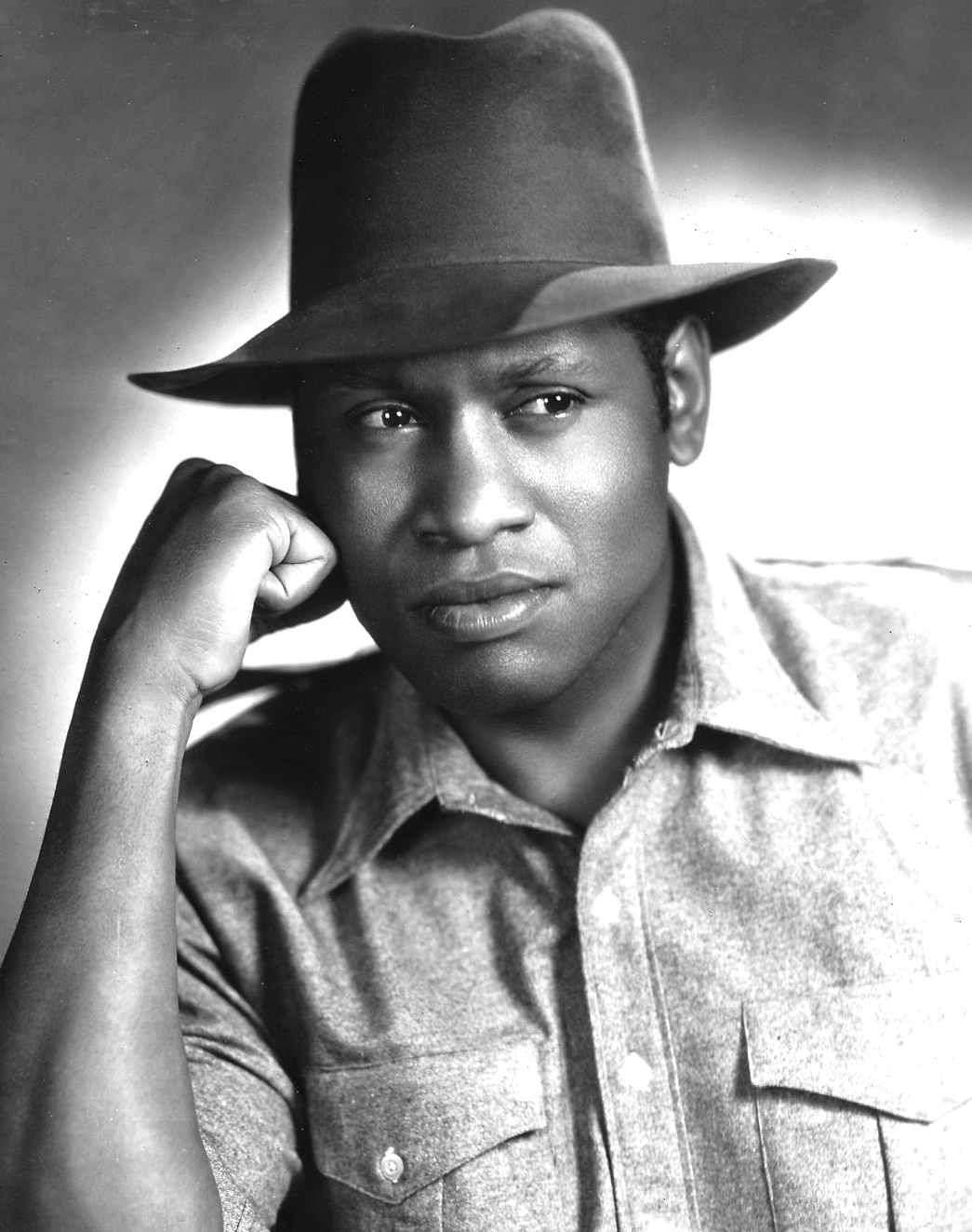


 photo: distributed by universal attractions · public domain ↗
Little Willie John
Detroit's Little Willie John packed an outsized voice into a small frame: born in Cullendale, Arkansas, in 1937, he grew up singing in his family's Holiness church and gospel quintet in Detroit's North End before chasing a very different dream — a few conservatory voice lessons, modeled on the concert singers Paul Robeson and Enrico Caruso, until the money ran out. He cut "Fever" at eighteen and made smolder a viable alternative to shout; his run of 1950s King Records sides helped draw the blueprint for soul singing before his life unraveled. He died in a Washington state prison at thirty, already a singer's singer whose reach for voices he could never quite become left its trace on everything he actually sang.
the sound in question
1956
FeverLittle Willie John
walk the tributaries ↓
Paul Robeson1930s–40s · Spirituals / Concert / Folk
Willie's own account of his ambition was specific: "I wanted to be more than a singer," he said. "My earliest ambition was to be another Paul Robeson or even a Caruso. When my money gave out I gave up on classical music, stopped studying it. We were poor people." He got as far as a few lessons at the Detroit Conservatory of Music before the money ran out — the closest he came to the trained, cavernous voice he wanted. What he kept from it wasn't Robeson's register or repertoire, which he never sang; it was the idea that a voice was an instrument worth formal study.
listen: upstream & here
1936
Ol' Man RiverPaul Robeson
1955
Need Your Love So BadLittle Willie John
listen forRobeson's 1936 film performance of "Ol' Man River" is a concert bass-baritone's instrument: cavernous low notes, unhurried diction, nothing like the syncopated R&B Willie sang. The kinship isn't in the sound of "Need Your Love So Bad" but in its discipline — Willie opens the verse on a long, held, unhurried note and lets it build without cracking, the kind of breath control a few conservatory lessons might plausibly have left behind, even after the classical dream itself was abandoned.
Frank Sinatra1950s · Traditional pop / Vocal jazz
At King Records, Willie fought his boss, Syd Nathan, over the very sound he wanted. Reviewing Susan Whitall's Willie John biography, critic Gayle Wald wrote that Willie "wanted to sound like Sinatra, with strings behind him," but Nathan pushed him to sound "blacker" — pinning Willie between being "too white" for his own label and "not white enough" for the network TV slots that might have widened his audience. The hero worship outlasted the fight: Willie's last, shelved 1966 sessions were cut for Capitol Records, Sinatra's own label.
listen: upstream & here
1955
In the Wee Small Hours of the MorningFrank Sinatra
1958
Talk to Me, Talk to MeLittle Willie John
listen forSinatra barely raises his voice on "In the Wee Small Hours of the Morning," letting Nelson Riddle's strings carry the ache while he holds back, phrasing behind the beat like a man talking to himself at 3 a.m. Willie's "Talk to Me, Talk to Me" opens the same way — a hushed, conversational verse before he lets the tune swell into full voice on the chorus — the same trick of holding power in reserve until the arrangement finally asks for it.
Charlie Parker1940s · Bebop / Jazz
By his early teens, Willie was already circulating in Detroit's bebop-adjacent big-band world — Count Basie showed up at his family's door offering to take him on the road, and he'd sung with Dizzy Gillespie at the Paradise Theatre. Reviewing Susan Whitall's biography for Record Collector, Gavin Martin located a technical debt in that company: Willie's "vocal agility [was] informed as much by the hard-swinging bop of Charlie Parker as it was by the melisma and testifying of the great gospel singers."
listen: upstream & heresource: Record Collector — "Little Willie John ↗
1945
Now's the TimeCharlie Parker
1955
All Around the WorldLittle Willie John
listen forParker's alto on "Now's the Time" worries a phrase behind and ahead of the beat, bending into blue notes rather than landing squarely on them — bebop's vocabulary laid over a twelve-bar blues. Willie's teenage debut, "All Around the World," does something structurally similar with his voice: he slides up into notes from below, clips a syllable short of the beat, then lets a phrase hang a fraction late, treating his own line the way a horn player treats a solo rather than singing the melody as written.