walking upstream…
Kings of Leon

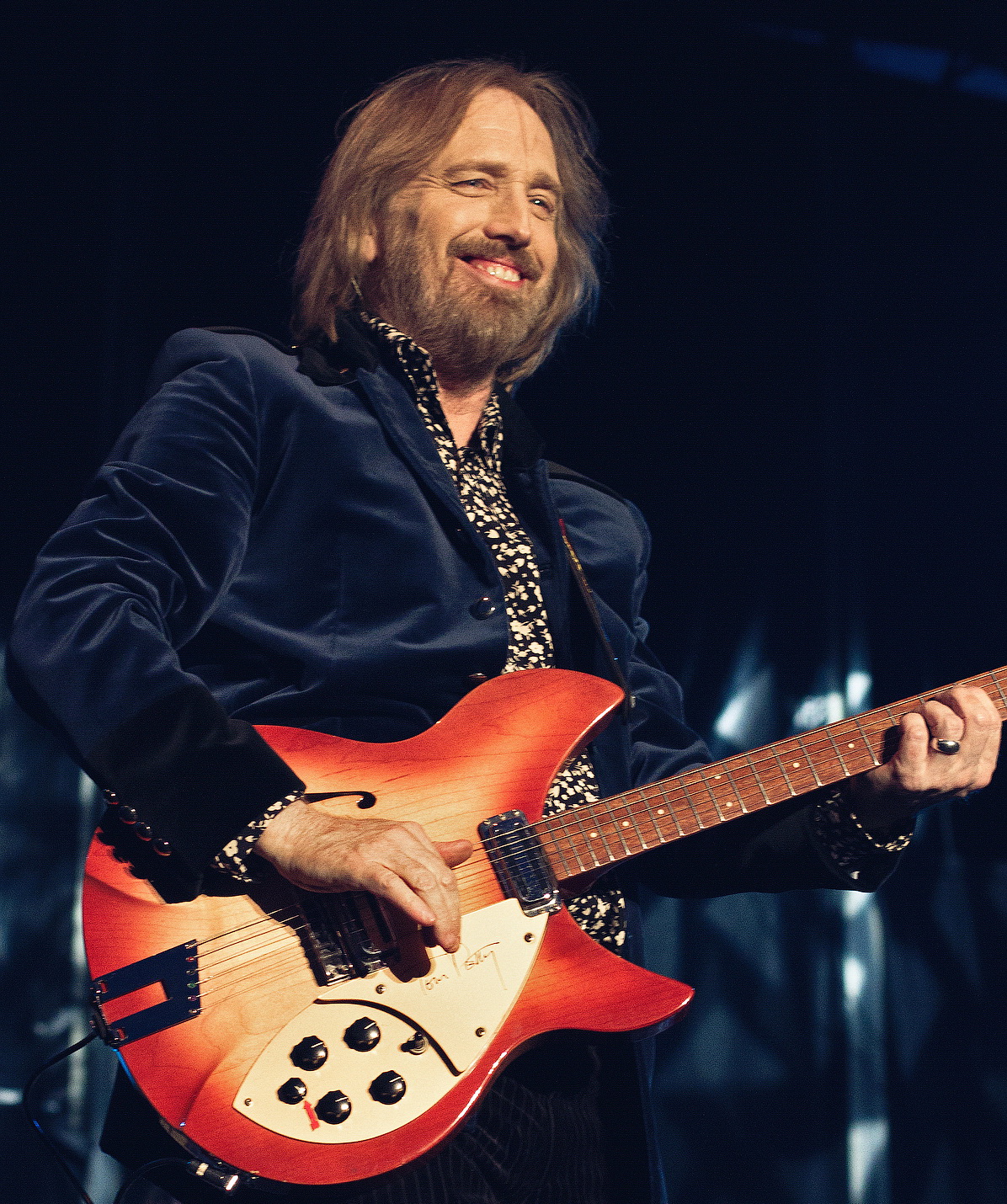

 photo: raph_ph · cc by 2.0 ↗
Kings of Leon
sourcesWikipedia — Kings of Leon (background, timeline) · Guitar World — Kings of Leon · Irish Star — Kings of Leon praise Thin Lizzy's 'Renegade' (band's own on-camera quote) · DRUM! Magazine — Nathan Followill of Kings of Leon (upbringing, testimony) · Rolling Stone — Youth and Young Manhood review (critic description, not testimony) · NME — The Roots Of... Kings of Leon (corroborating narration)
In the back seat of a purple Oldsmobile, three brothers crossed the American South while their father, an itinerant United Pentecostal preacher, drove them from one revival to the next. Caleb, Nathan, and Jared Followill grew up almost entirely on gospel music, one of the few exceptions being a couple of Tom Petty cassettes their father allowed on the road. In Nashville, a songwriter named Angelo Petraglia found the brothers, added cousin Matthew on lead guitar, and started filling in the decade of classic rock they had missed. What came out in 2003, Youth and Young Manhood, was a scuzzy, drawling garage rock that Rolling Stone likened to "old-school greasers." By Only by the Night, the same band had opened those riffs into vast, reverb-drenched arena rock — "Sex on Fire" and "Use Somebody" turning a cult act into Grammy winners without sanding off the drawl.
the sound in question
2008
Sex on FireKings of Leon
walk the tributaries ↓
Thin Lizzy1970s · Hard rock / Blues rock / Heavy metal
Most profiles of the band lead with revival tents and travelling preachers, but Thin Lizzy traces to something narrower: their father Ivan's own record collection, from before he traded rock and roll for the pulpit. The debt surfaces in the debut single itself — "Molly's Chambers" borrows its title and opening image straight from Thin Lizzy's "Whiskey in the Jar," where the singer confesses he "went to Molly's chamber." Nathan Followill has kept the thread going since, calling a 2013 breakdown "our ode to Thin Lizzy."
listen: upstream & heresource: Billboard — Kings of Leon talk 'Mechanical Bull' track-by-track (Thin Lizzy, Tom Petty testimony) ↗
1972
Whiskey in the JarThin Lizzy
2003
Molly's ChambersKings of Leon
listen forListen for the phrase itself: Thin Lizzy's rendition of the traditional "Whiskey in the Jar" sings of a thief who "went to Molly's chamber" before the law catches him; Kings of Leon turned that exact phrase into a title and the hook of "Molly's Chambers," their scrappy debut single. Thin Lizzy's version gallops on twin-guitar harmonies and a jaunty backbeat; Kings of Leon strip it to one thin, scuzzy riff — the same words, sung at a fraction of the polish.
Tom Petty1970s-80s · Rock / Heartland rock / Roots rock
Caleb Followill doesn't hedge about this one. Talking to Billboard in 2013 about the Mechanical Bull track "Rock City," he named the source outright: "Tom Petty was the first album I ever bought with my own money. I've been listening to him ever since, so I know there's a huge influence on me." It's a rare Followill influence that isn't filtered through a mentor or a sibling — Caleb bought the record himself, as a kid, and never stopped playing it.
listen: upstream & heresource: Billboard — Kings of Leon talk 'Mechanical Bull' track-by-track (Thin Lizzy, Tom Petty testimony) ↗
1976
American GirlTom Petty
2013
Rock CityKings of Leon
listen forPetty's "American Girl" rides a bright, chiming jangle under a vocal that talks its way through the verses more than it sings them, riding just behind the beat rather than chasing it. A Billboard writer heard the same loose phrasing on "Rock City" and called Caleb's take "Petty-esque, whether he knew it or not" — the description that got Caleb to admit the influence out loud in the first place.
The Rolling Stones1960s-70s · Rock / Blues rock / Hard rock
The gap in the Followills' rock education got filled by their songwriting mentor, Nashville producer Angelo Petraglia — the Rolling Stones were his prescription. "We'd go over to Angelo's house and he'd be like, 'You gotta listen to some Rolling Stones, man,'" Matthew Followill remembered. "We were like, 'All right, yeah, we've been hearing about them our whole lives, cool.' So he turned us on." Caleb has described the method along with the material: Petraglia played the earliest Stones records first, "the most amazing way to listen to it because it was like hearing it the way it happened."
listen: upstream & here
1964
Not Fade AwayThe Rolling Stones
2003
TraniKings of Leon
listen forPetraglia reportedly started the brothers on the Stones' earliest sides, so pair their 1964 cover of "Not Fade Away" — a chugging Bo Diddley beat under slurred, overlapping harmonies — against Kings of Leon's "Trani," which rides a similarly loose, unhurried groove that never quite locks into a straight backbeat. No Followill has named this exact pairing; it is the sound Petraglia was pointing them toward, not a song either side has ever cited by name.