walking upstream…
Kimbra


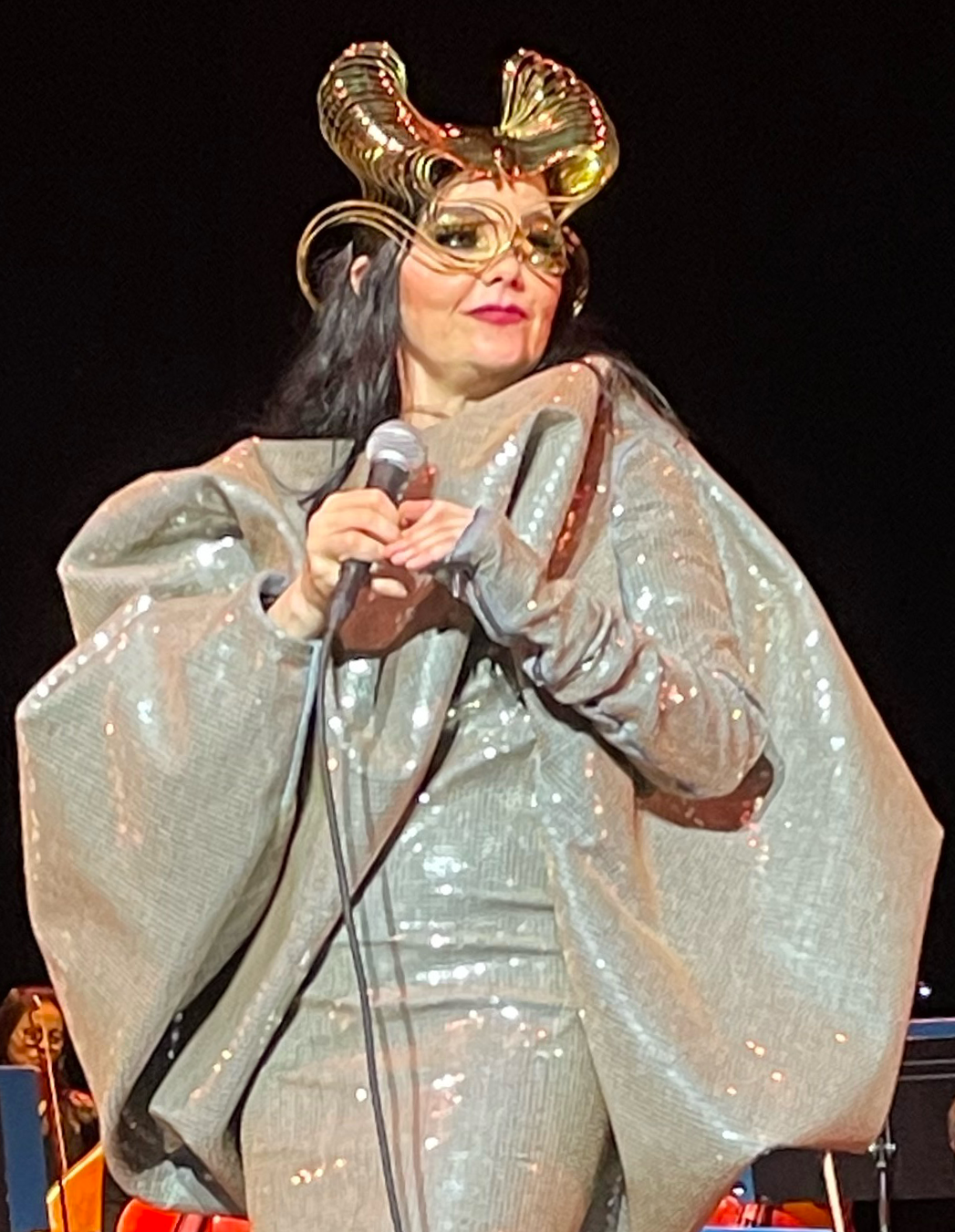
 photo: cnc33 · cc0 ↗
Kimbra
Kimbra Lee Johnson started out on New Zealand's talent-show circuit as a teenager before relocating to Melbourne, where her 2011 debut Vows announced a singer more interested in jazz harmony and vocal experimentation than pop convention. She became inescapable that same year as the featured voice on Gotye's 'Somebody That I Used to Know,' a Grammy-winning left-field hit that made her the first New Zealand-born artist to top the Billboard Hot 100 — but she spent the windfall going stranger rather than safer. The Golden Echo (2014) and Primal Heart (2018) doubled down on maximalist, genre-hopping art-pop built around a voice she treats less like a single instrument than like a whole studio's worth of textures.
the sound in question
2010
Settle DownKimbra
walk the tributaries ↓
Nina Simone1960s · Jazz / Soul / Blues
Kimbra covered Nina Simone's 'Plain Gold Ring' as a bonus track on her debut album Vows, a direct, documented act of homage rather than a vague stylistic echo, and has cited Simone among the artists who shaped her jazz-schooled sense of phrasing.
listen: upstream & heresource: Kimbra — AudioCulture (NZ music history profile; Björk/Nina Simone/Prince connections) ↗
1958
Plain Gold RingNina Simone
2011
Plain Gold RingKimbra
listen forListen for how closely Kimbra tracks Simone's original phrasing and piano-led restraint on her cover — letting the vocal line drag just behind the beat and lean into blue notes rather than smoothing them into straight pop delivery.
Prince1980s · Funk / Pop / R&B / Rock
Kimbra names Prince among her formative influences (he's also the artist who handed her and Gotye their Record of the Year Grammy), and The Golden Echo wears the debt openly: opener 'Teen Heat' is, per multiple reviews, 'a nod to Revolution-era Prince' built around a fatalistic refrain that lands like a '1999'-era hook, dressed in the same lush, stacked vocal harmonies his band The Revolution used behind him.
listen: upstream & heresource: Kimbra — AudioCulture (NZ music history profile; Björk/Nina Simone/Prince connections) ↗
1982
1999Prince
2014
Teen HeatKimbra
listen forListen for the hushed, almost-whispered verse that snaps into a big, multi-tracked chorus — the same trick Prince pulls on '1999,' turning an anxious lyric into a euphoric, harmony-stacked hook.
Björk1990s · Art pop / Electronica / Experimental
Kimbra has repeatedly named Björk among her key influences, and critics reach for the same comparison unprompted — Perez Hilton pitched her breakout single as being for 'if you like Nina Simone, Florence & the Machine and/or Björk.' The debt shows up less as a specific lyrical nod than as permission: treating the voice as flexible, textural raw material inside electronic-leaning production, rather than just a topline sitting on top of a beat.
listen: upstream & heresource: Kimbra — AudioCulture (NZ music history profile; Björk/Nina Simone/Prince connections) ↗
1995
HyperballadBjörk
2011
Cameo LoverKimbra
listen forListen for the layered, near-synthetic vocal stacks doing the job a keyboard hook usually would in the chorus of 'Cameo Lover' — the same instinct Björk pushes further on 'Hyperballad,' where a plain, close-mic'd voice floats over a skittering electronic bed as just another texture in the mix, not the sole focal point.