walking upstream…
Junior Kimbrough
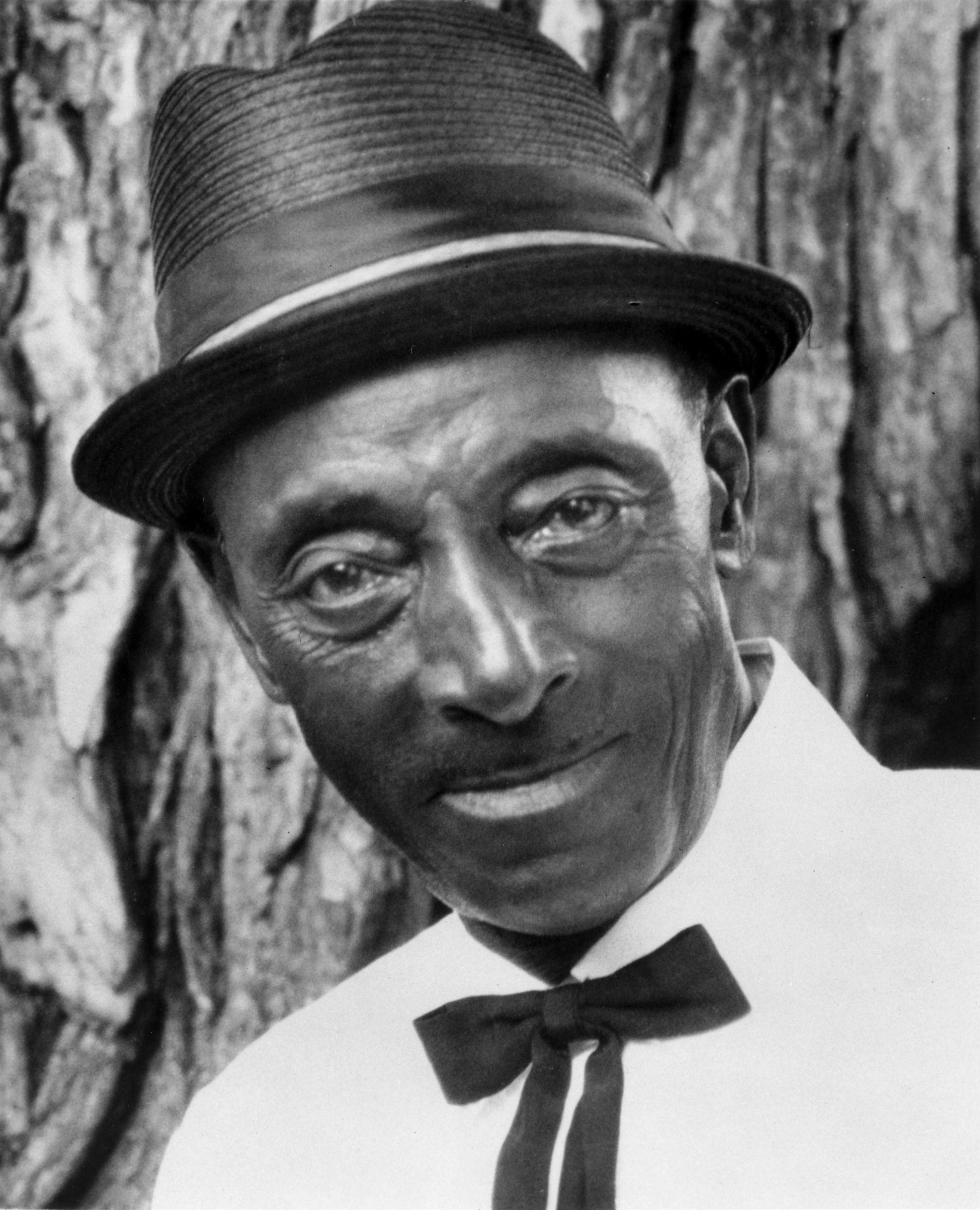
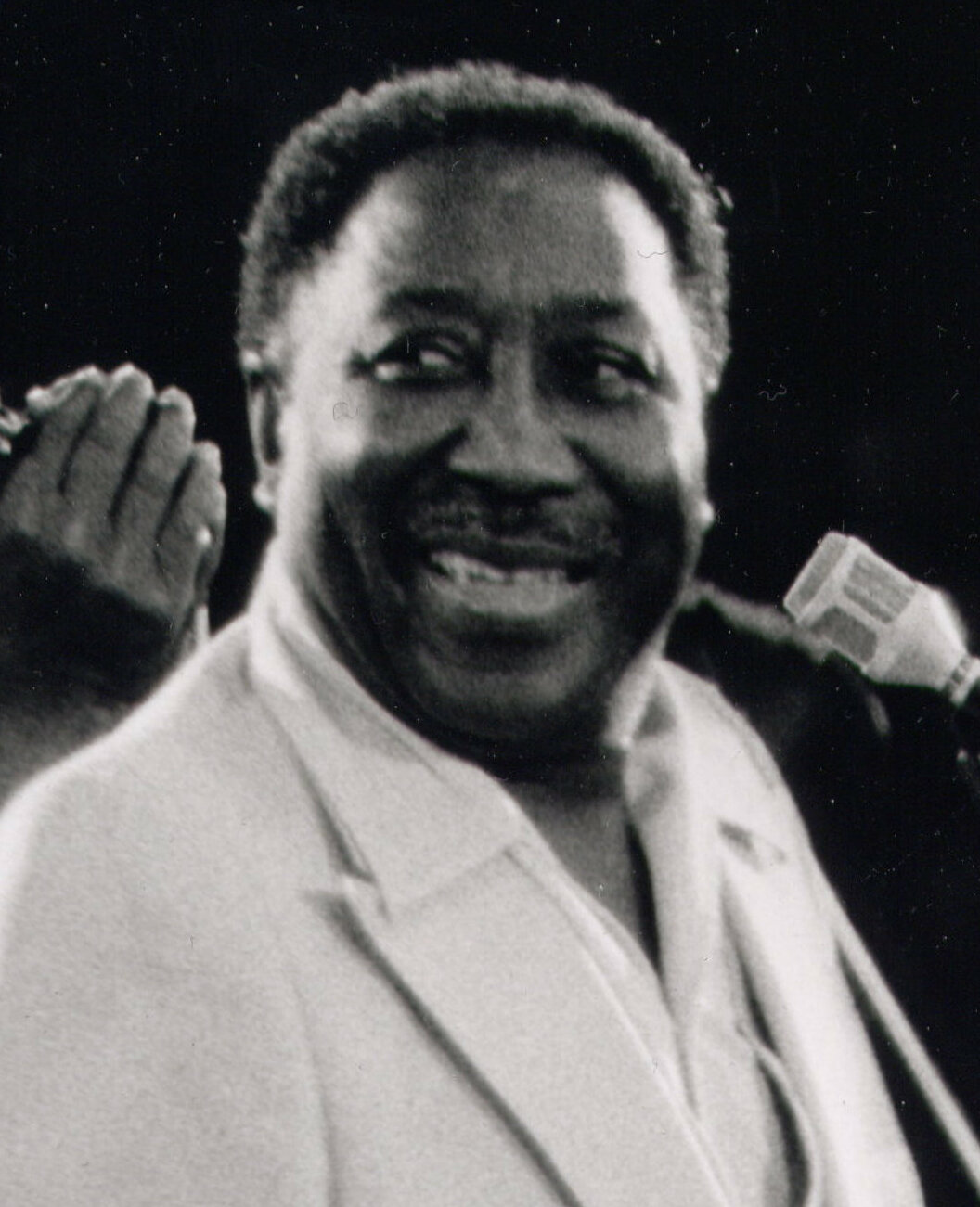

 photo: sumori · cc by-sa 4.0 ↗
Junior Kimbrough
sourcesWikipedia · Mississippi Blues Trail · Study Breaks
David 'Junior' Kimbrough grew up outside Holly Springs in Mississippi's hill country, where his guitar-playing father and family friends like Mississippi Fred McDowell shaped a style built less on chord changes than on a single hypnotic, droning riff stretched past the point of comfort. He played local house parties and juke joints for decades before Fat Possum Records finally captured him properly on 1992's 'All Night Long,' introducing his trance-like, one-chord blues to a wider audience just as he opened his own juke joint, Junior's Place, in Chulahoma. He died in 1998, but his influence only grew: The Black Keys built an entire early identity around his songs, releasing the tribute EP 'Chulahoma' and later covering him again on 'Delta Kream.'
the sound in question
1992
All Night LongJunior Kimbrough
walk the tributaries ↓
Mississippi Fred McDowell1960s · Hill country blues / Delta blues
McDowell was a regular presence at the Kimbrough family home, and accounts of Junior's development name McDowell (alongside Eli Green) as a direct influence on his playing. McDowell built songs from a droning slide over a hypnotic beat; Kimbrough kept the drone and the hypnosis but swapped the slide for a fingerpicked push-and-pull between thumb-driven bass notes and mid-range runs — nobody had done it quite that way before.
listen: upstream & here
1965
You Gotta MoveMississippi Fred McDowell
1997
Done Got OldJunior Kimbrough
listen forHear McDowell's 'You Gotta Move' next to Kimbrough's 'Done Got Old' — both let a single repeating figure hang in the air far longer than a conventional blues would, building tension through duration and texture rather than chord movement.
Muddy Waters1950s · Chicago blues / Electric blues / Delta blues
Muddy Waters' electrified update of Delta blues — one-chord vamps stretched out and driven by insistence rather than harmonic movement — filtered down into the hill-country tradition Kimbrough absorbed growing up. Critic Tony Russell heard in Kimbrough's raw, repetitive style an 'archaic forebear' of the electric blues lineage Waters helped define, run through a rural, unhurried Mississippi filter.
listen: upstream & here
1950
Rollin' StoneMuddy Waters
1999
Meet Me in the CityJunior Kimbrough
listen forLine up Waters' 'Rollin' Stone' with Kimbrough's 'Meet Me in the City' — both stay planted on one chord for the song's full length, riding a vocal moan and a droning guitar figure instead of a verse-chorus structure.
Lightnin' Hopkins1940s-60s · Country Blues / Electric Blues / Texas Blues
Lightnin' Hopkins is named among the guitarists whose freewheeling, rule-bending phrasing shaped Kimbrough's ear — a loose, conversational approach to timing where the guitar answers the voice on its own schedule rather than a fixed bar count. It surfaces in Kimbrough's willingness to let a vocal line run long or clip short, the beat bending around him instead of the other way around.
listen: upstream & here
1960
Mojo HandLightnin' Hopkins
1992
Work Me BabyJunior Kimbrough
listen forCompare Hopkins' rambling 'Mojo Hand' with Kimbrough's 'Work Me Baby' — both feel like a man thinking aloud over a guitar vamp, phrases stretching and compressing independent of a strict meter.