walking upstream…
Judy Collins


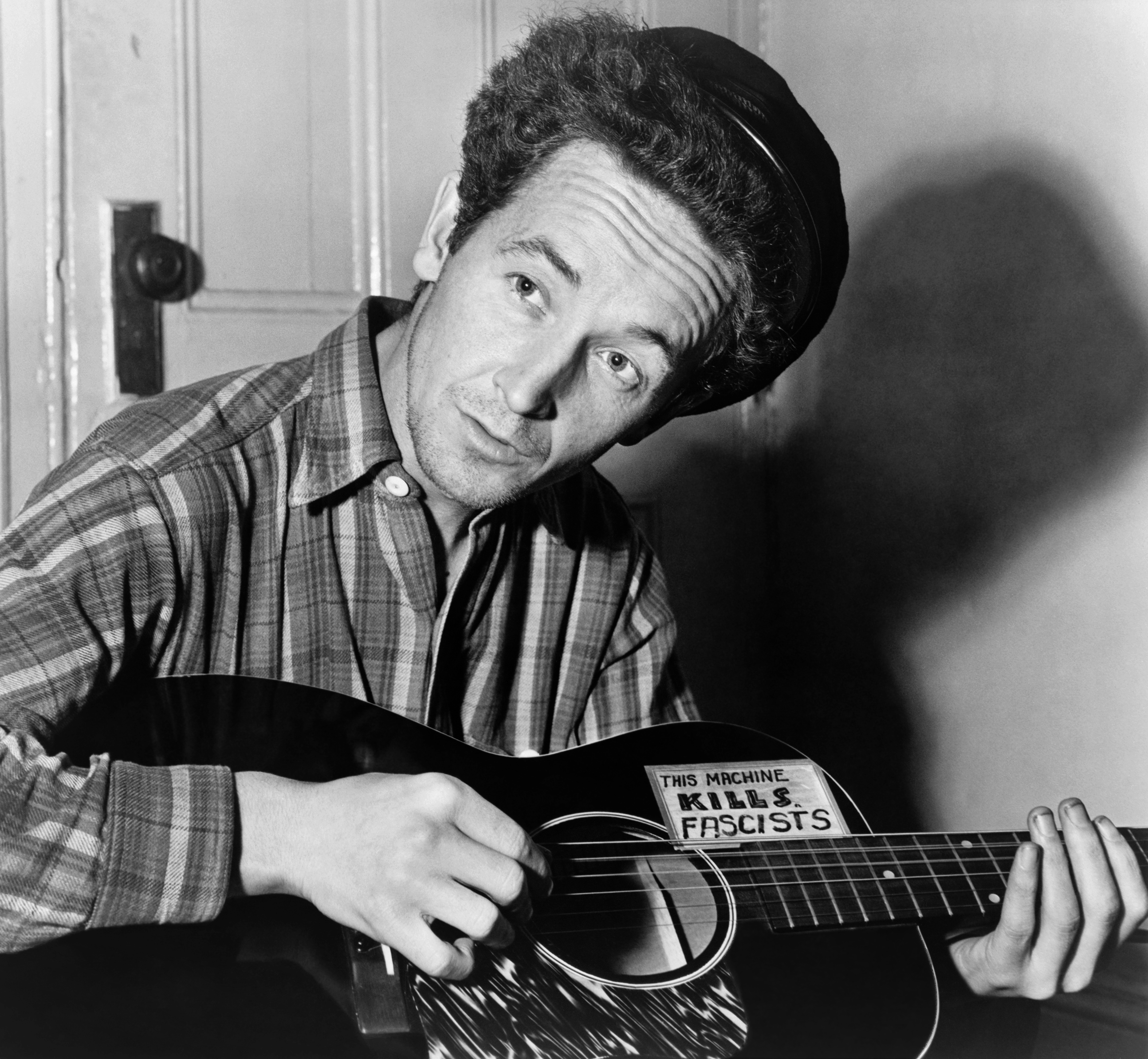
 photo: cbs television · public domain ↗
Judy Collins
One of the defining voices of the 1960s American folk revival, Judy Collins built her early reputation less as a songwriter than as an interpreter -- turning traditional ballads, protest songs, and other writers' work (Dylan, Cohen, Joni Mitchell) into hits through her crystalline soprano and careful arrangements. Her 1967 recording of Mitchell's "Both Sides Now" became a Grammy-winning top-10 hit and cemented her reputation as folk's great translator, the singer who could turn an unknown songwriter's work into a standard.
the sound in question
1967
Both Sides NowJudy Collins
walk the tributaries ↓
Pete Seeger1950s · Folk
Collins has said that leaving classical piano training behind for folk music meant discovering Pete Seeger and Woody Guthrie's records first, and one of Seeger's own songs, "Turn! Turn! Turn!" (his 1959 setting of the Book of Ecclesiastes), became one of her signature early recordings after he cut it himself in 1962.
listen: upstream & here
1962
Turn! Turn! Turn! (To Everything There Is a Season)Pete Seeger
1963
Turn! Turn! Turn! (To Everything There Is a Season)Judy Collins
listen forJudy Collins' 1963 "Turn! Turn! Turn!" keeps Seeger's own melody and stately, hymn-like delivery nearly intact -- the main difference is her cleaner, more legato pop-folk vocal replacing his plainer, banjo-picker's phrasing.
Jean Ritchie1950s · Appalachian folk / Traditional ballads
Collins learned Appalachian dulcimer player and song-collector Jean Ritchie's own arrangement of the traditional ballad "Pretty Saro" and recorded it on her 1961 debut album, A Maid of Constant Sorrow -- one of several Ritchie-sourced traditional songs Collins carried into the Greenwich Village folk revival.
listen: upstream & heresource: Wikipedia -- Jean Ritchie, on Judy Collins recording her songs and using her photograph on Golden Apples of the Sun ↗
1954
Pretty SaroJean Ritchie
1961
Pretty SaroJudy Collins
listen forCompare the two "Pretty Saro"s: Ritchie sings it plain and modal, close to her family's original Kentucky mountain phrasing; Collins' 1961 version keeps Ritchie's melody and text nearly note-for-note, just recast in her own clearer, more legato voice.
Woody Guthrie1940s · Folk / Americana / Talking blues
Guthrie was, alongside Seeger, one of the two artists Collins has said pulled her away from classical music and into folk in the first place, and she recorded his "This Land Is Your Land" as early as a 1960 folk-festival release, returning to it decades later alongside Seeger and Guthrie's son Arlo.
listen: upstream & here
1944
This Land Is Your LandWoody Guthrie
1976
This Land Is Your LandJudy Collins
listen forListen for the plain, unadorned, singalong delivery Collins gives "This Land Is Your Land" -- she drops the vocal ornamentation of her more art-song material and sings it the way Guthrie wrote it: as something a room full of people could sing back.