walking upstream…
John Legend


John Legend is an Ohio-raised singer-pianist whose voice was shaped inside his family's Pentecostal church — grandmother on organ, mother directing the choir, piano lessons from age four — before Kanye West's GOOD Music turned that gospel-schooled sound into a 2000s neo-soul radio staple. His songwriting favors the plainspoken piano ballad, wedding classically trained chord voicings to unguarded lyrics about ordinary devotion, a formula that carried "All of Me" to diamond certification. He has also repeatedly turned back to the socially conscious soul of the 1960s-70s, most explicitly on Wake Up! (2010, with The Roots), treating that catalog as a living tradition rather than a museum piece.
the sound in question
2013
All of MeJohn Legend
walk the tributaries ↓
Stevie Wonder1970s · Soul / Funk / R&B
Wonder's clean, church-trained piano voicings and plainspoken romantic lyricism are the direct template for Legend's own piano-forward balladry — the connection was formal enough that Wonder himself inducted Legend into the Hollywood Bowl Hall of Fame in 2013.
listen: upstream & heresource: 'Ordinary People' — Wikipedia (chord progression derived from Stevie Wonder's 'My Cherie Amour') ↗
1969
My Cherie AmourStevie Wonder
2005
Ordinary PeopleJohn Legend
listen forThe main chord progression of Legend's breakout single 'Ordinary People' is lifted from the intro to Wonder's 'My Cherie Amour,' transposed into F major — cue them back to back and the shared harmonic DNA is unmistakable, even though the lyric and mood are completely different.
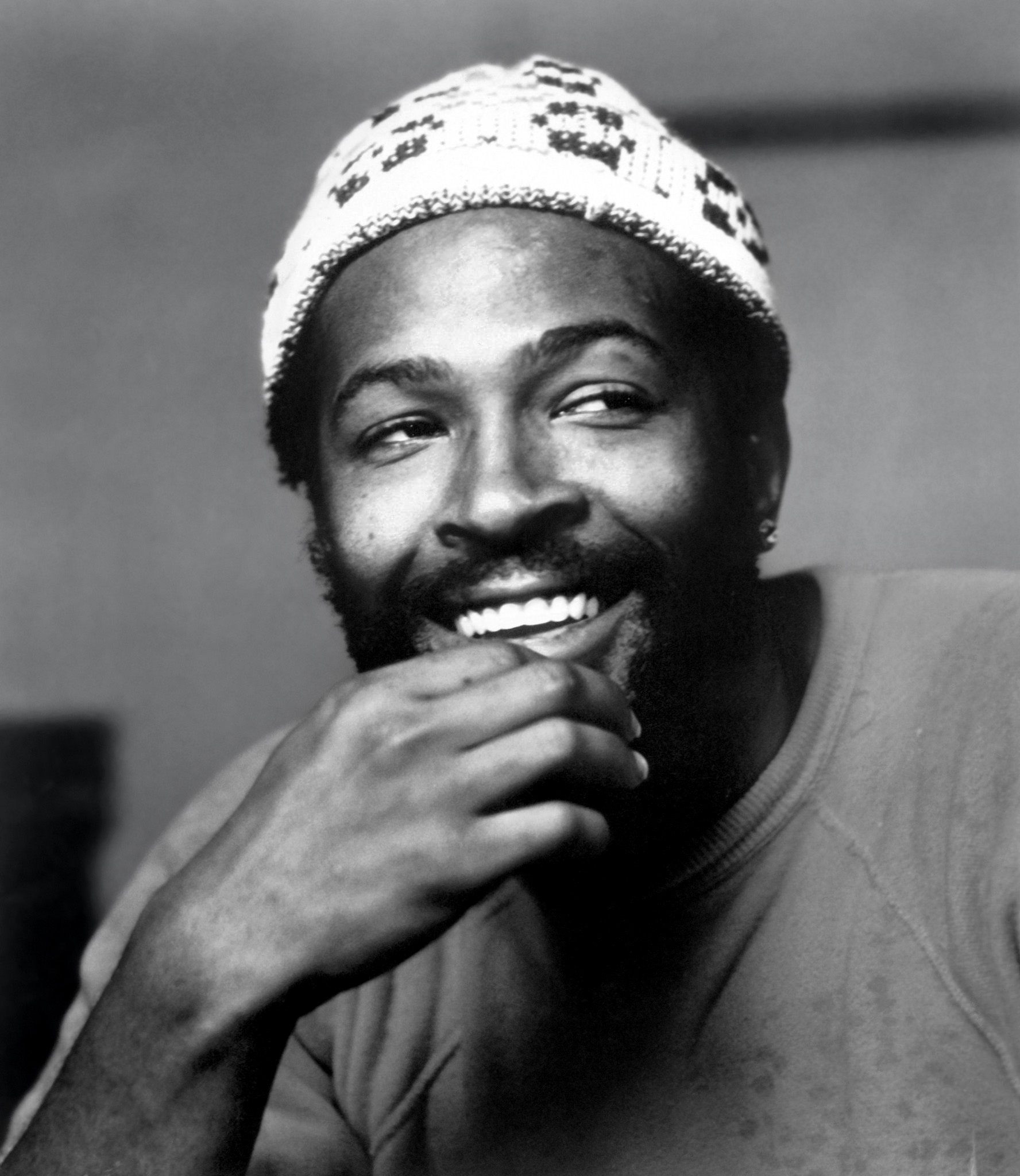
Marvin Gaye1970s · Soul / R&B
Legend has said he looks to Gaye "for inspiration more than any other artist," specifically for how Gaye braided romantic material and social conscience into a single body of work — the same braid Legend attempts across his own catalog of love ballads and protest-adjacent projects.
listen: upstream & heresource: Music-News.com ↗
1971
Wholy HolyMarvin Gaye
2010
Wholy HolyJohn Legend
listen forSet Gaye's aching, gospel-inflected 'Wholy Holy' (from What's Going On) against Legend & The Roots' faithful, stripped-down cover of the same song on Wake Up! — same bones and chord changes, just a warmer, more restrained vocal read.
Donny Hathaway1970s · Soul / R&B / Gospel
Critics have long described Legend's piano-and-voice intimacy as a contemporary continuation of Hathaway's emotive, church-rooted soul singing; Legend and The Roots made that lineage explicit by covering Hathaway's own 'Little Ghetto Boy' on Wake Up!, reworking an under-the-radar deep cut rather than a hit.
listen: upstream & heresource: Wake Up! (John Legend & The Roots, 2010) — Wikipedia (covers of Marvin Gaye's 'Wholy Holy' and Donny Hathaway's 'Little Ghetto Boy') ↗
1972
Little Ghetto BoyDonny Hathaway
2010
Little Ghetto BoyJohn Legend
listen forHathaway's 1972 original pairs a spare, circling piano figure with an unflinching lyric about urban poverty; Legend & The Roots' studio version (featuring Black Thought) keeps that same piano-led arrangement intact while updating the frame with a rap verse.