walking upstream…
Jill Scott

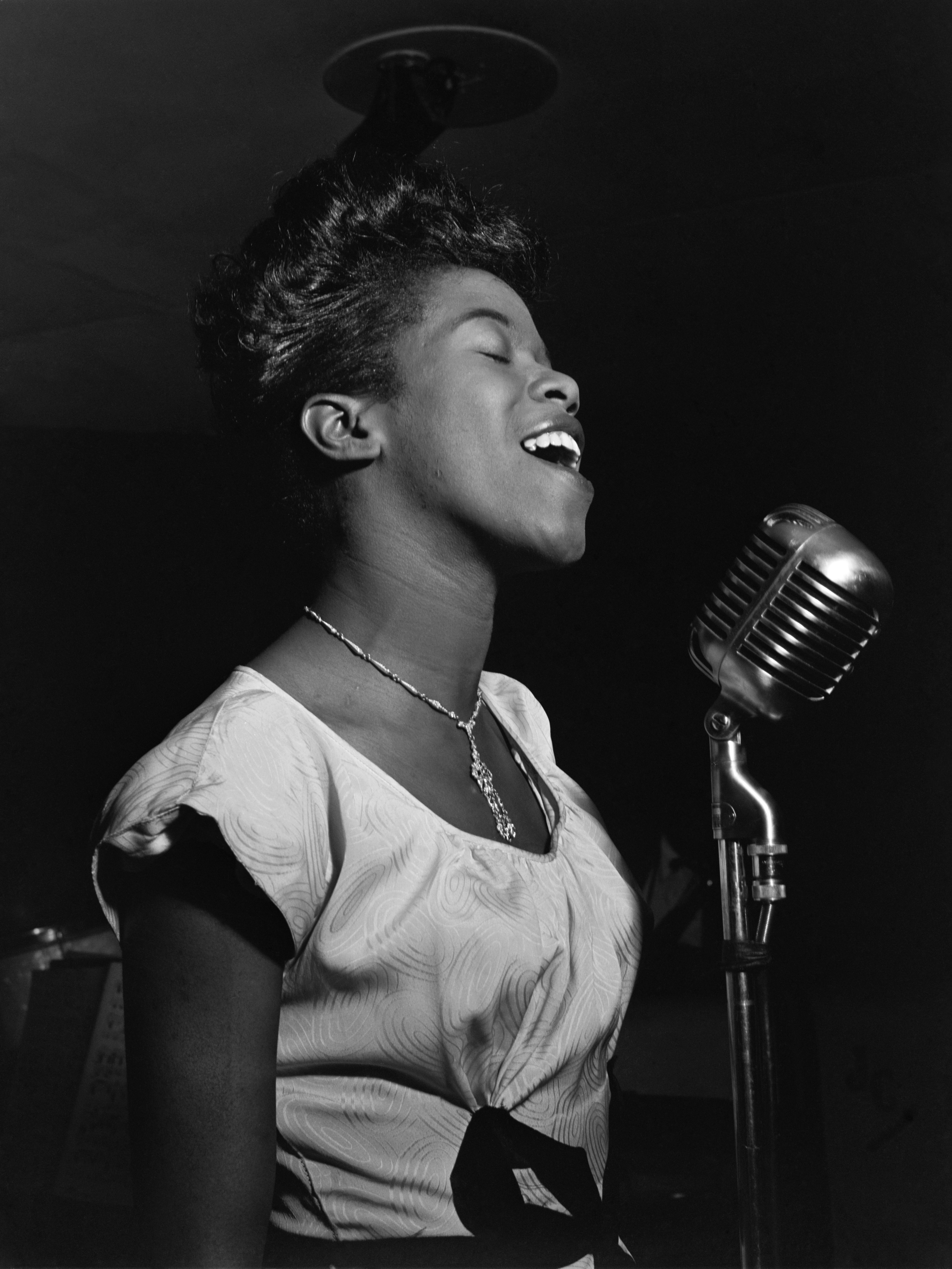

Jill Scott is a Philadelphia singer, poet, and actress who helped define neo-soul's turn-of-the-millennium peak, fusing jazz-schooled vocal control with spoken-word candor and live-band warmth. Discovered as a poet by the Roots' Questlove, she co-wrote and originally sang the group's Grammy-winning "You Got Me" before the label had Erykah Badu re-record her vocal for the single release; Scott channeled that setback into becoming the first artist signed to Hidden Beach Recordings, and her 2000 debut Who Is Jill Scott?: Words and Sounds Vol. 1 went platinum on the strength of singles like "A Long Walk." She has named the jazz and soul singers she studied growing up — including Sarah Vaughan, Donny Hathaway, and Minnie Riperton — as the foundation of her own vocal technique.
the sound in question
2000
A Long WalkJill Scott
walk the tributaries ↓
Minnie Riperton1970s · Soul / R&B / Pop
Scott has named Riperton among the singers whose technique shaped her own, and the connection has stayed personal and public — she's shared video of her own son nailing Riperton's famous whistle-register note from "Lovin' You." That love of airy, high melodic ornamentation colors Scott's own vocal runs.
listen: upstream & heresource: Encyclopedia.com — Jill Scott biography, citing her Essence interview on vocal influences (Sarah Vaughan, Donny Hathaway, Minnie Riperton, Leontyne Price) ↗
1975
Lovin' YouMinnie Riperton
2004
GoldenJill Scott
listen forA voice floating up into a light, birdlike upper register for a few bars of pure melody before settling back into the groove — ornament used as joy, not as a display of range.
Sarah Vaughan1950s–60s · Jazz / Vocal Jazz / Bebop
Scott has credited Sarah Vaughan — alongside Donny Hathaway, Minnie Riperton, and opera singer Leontyne Price — as one of the vocalists she studied to build her own instrument, saying of that self-directed education, "I listened and I went to a class that included all that I needed to learn."
listen: upstream & heresource: Encyclopedia.com — Jill Scott biography, citing her Essence interview on vocal influences (Sarah Vaughan, Donny Hathaway, Minnie Riperton, Leontyne Price) ↗
1954
Lullaby of BirdlandSarah Vaughan
2000
He Loves Me (Lyzel in E Flat)Jill Scott
listen forA voice that treats a melody like clay — bending notes behind the beat, holding a vowel until it aches, with a jazz singer's control that never tips into showiness.
Donny Hathaway1970s · Soul / R&B / Gospel
Scott has named Donny Hathaway among the singers she absorbed on her way to developing her own sound, and his gospel-rooted, piano-and-strings soul balladry is one clear template for the unhurried, testifying quality of her own slow songs.
listen: upstream & heresource: Encyclopedia.com — Jill Scott biography, citing her Essence interview on vocal influences (Sarah Vaughan, Donny Hathaway, Minnie Riperton, Leontyne Price) ↗
1971
A Song for YouDonny Hathaway
2000
A Long WalkJill Scott
listen forA ballad built around plainspoken devotion, the voice lifting into a gospel-tinged run right as the lyric turns most vulnerable, with piano and strings doing the emotional heavy lifting.