walking upstream…
Jack Harlow


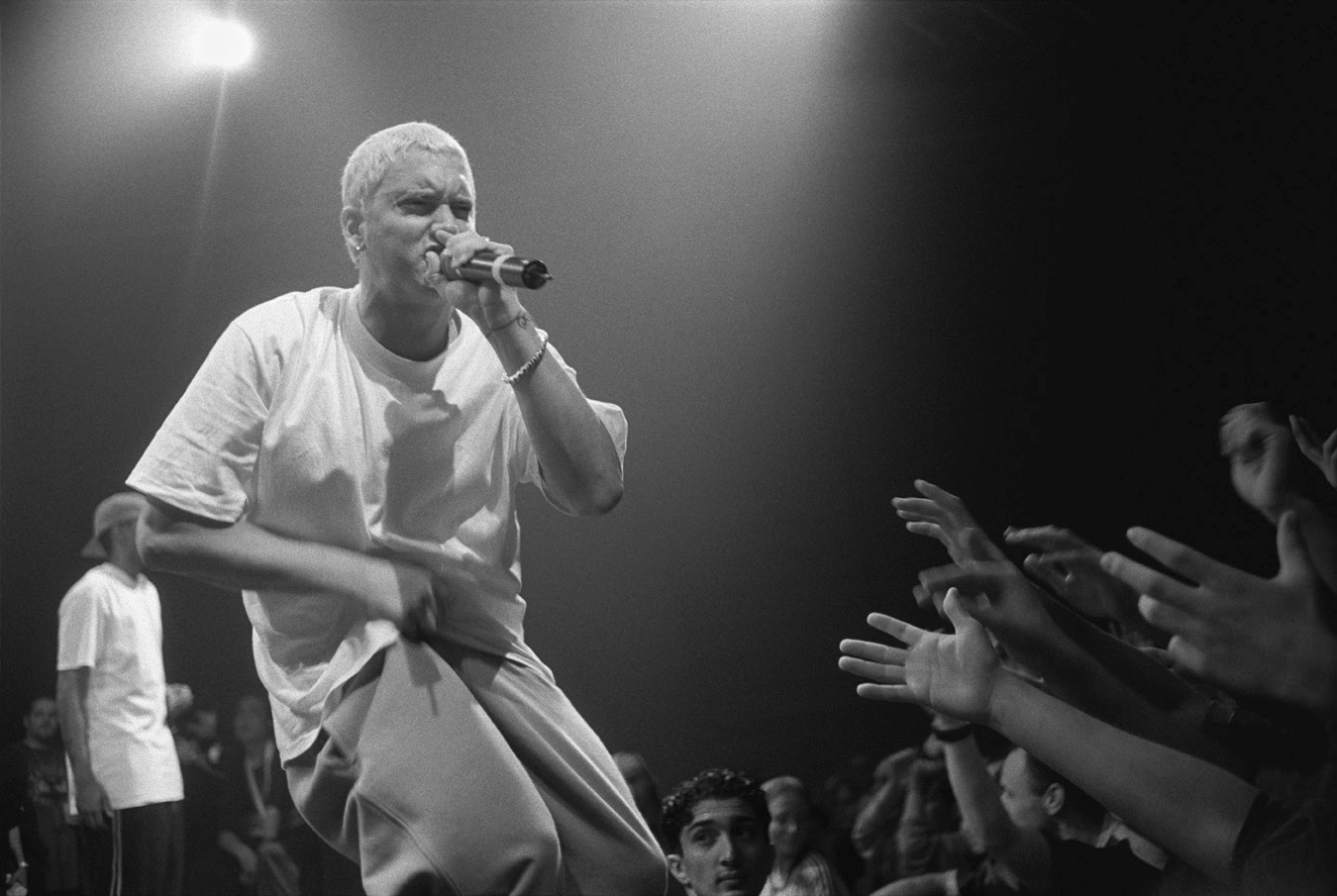
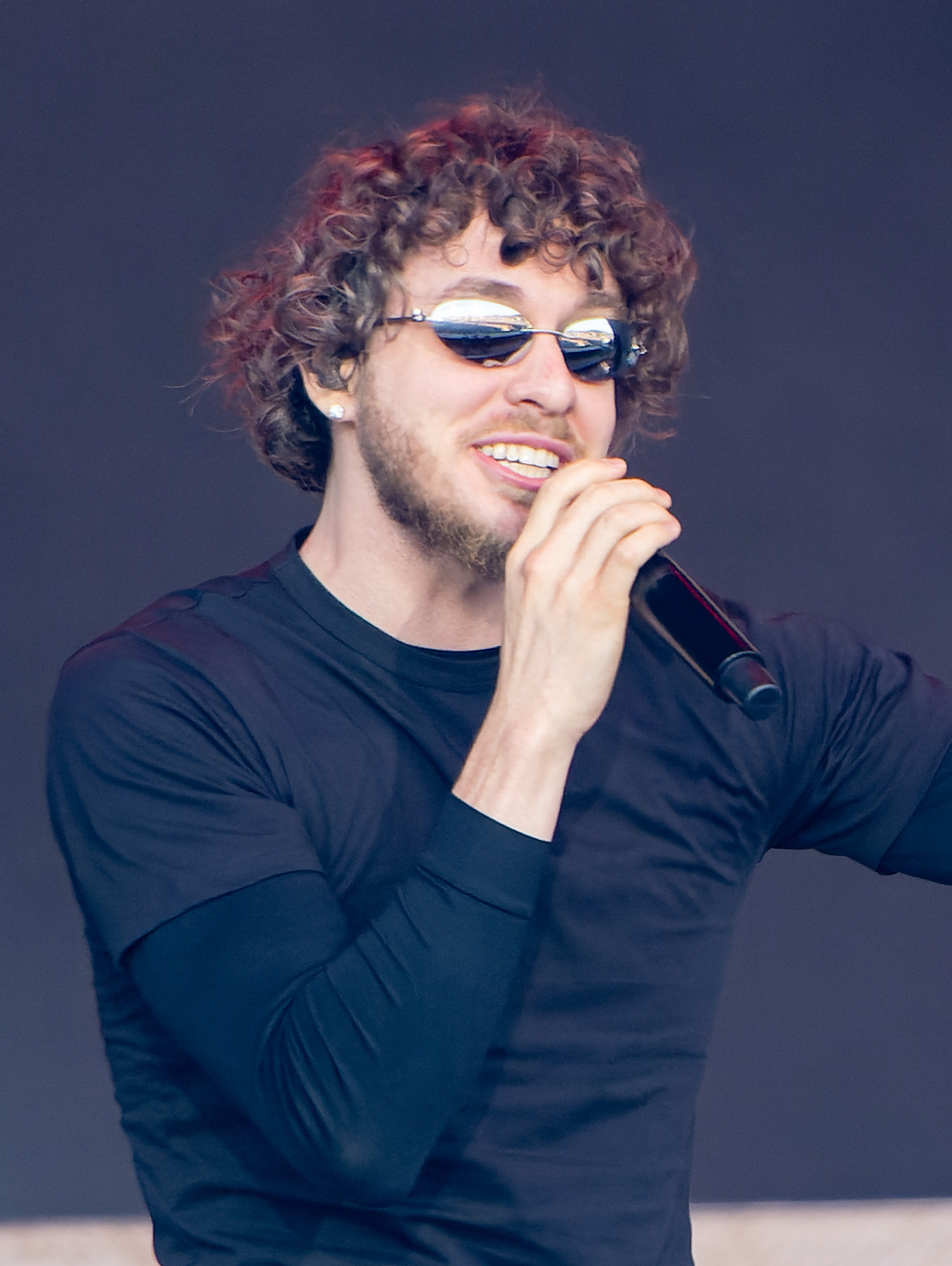 photo: raph_ph · cc by 2.0 ↗
Jack Harlow
sourcesWikipedia · Complex — Jack Harlow on coming from the 'school of Drake' (2026) · Billboard — Jack Harlow on deciding Drake was the 'best rapper alive' · Billboard — Jack Harlow 'Ear Candy' interview (Eminem/Kanye car-CD origin story) · Rolling Stone — Jack Harlow cover story (defending Eminem) · HotNewHipHop — Jack Harlow's 'earliest memory' of Late Registration · Billboard — Jack Harlow on his Kanye West obsession ('All Falls Down' vulnerability) · The Guardian/Observer — review of That's What They All Say (Baxter Avenue)
Jack Harlow's mother ran his early education: Eminem's The Marshall Mathers LP in the minivan when he was two, a Kanye West CD five years later, with a warning about one particular word. By 12 he was posting his own raps online from Louisville, Kentucky; by his late teens he had a run of local mixtapes and a deal with DJ Drama's Generation Now. 'What's Poppin' made him a 2020 breakout, and 'First Class' and 'Lovin On Me' turned him into a Hot 100 fixture, before the more confessional Jackman and Monica pulled him toward the songwriting he'd once only admired in others. He has called his own formative period the 'school of Drake' — then spent his career since trying to graduate from it.
the sound in question
2023
Lovin On MeJack Harlow
walk the tributaries ↓
Drake2010s · Hip hop / Contemporary R&B / Pop rap
Harlow names Drake more than anyone when asked how he learned to rap. 'Drake came out when I started wanting to do it for myself, so Drake was a huge influence to me,' he told XXL in 2018, and he's kept saying it: in 2026, on the New York Times' hip-hop podcast Popcast, 'school of Drake, absolutely.' He remembers exactly when it clicked, too — hearing If You're Reading This It's Too Late and thinking, in his words, 'Drake's the best rapper alive. Right then. It was powerful.' That's the talk-sung, unhurried confidence Harlow chased for years before deciding, more recently, to write his way out from under it.
listen: upstream & heresource: DJBooth — Meet Jack Harlow interview (bio, Drake, Louisville roots) ↗
2015
EnergyDrake
2020
What's PoppinJack Harlow
listen forCue Drake's 'Energy,' from the 2015 album Harlow has singled out by name, next to 'What's Poppin.' Both ride a spare, hard beat that leaves room for the vocal to do the flexing — a coolly unbothered, half-spoken brag delivered like it cost the rapper no effort at all, each line landing a beat behind where you'd expect it, the confidence never once raising its voice.
Kanye West2000s · Hip-hop / Conscious hip-hop
'My earliest memory is my mom buying Late Registration and playing it in the car and telling me I can't say the n-word,' Harlow said in 2022 — his introduction to hip-hop and to Kanye West in one afternoon. What he took from that album as a writer was specific: the vulnerability of 'All Falls Down,' built on self-criticism instead of boasting. As Harlow put it in 2021, that song taught him the difference between rapping 'here's why I am the s—t' and 'here's why I am not the s—t.' A Guardian review later singled out his own 'Baxter Avenue,' about his white privilege, as that kind of song.
listen: upstream & heresource: Complex — Jack Harlow on the impact of the Kanye West cosign ↗
2004
All Falls DownKanye West
2020
Baxter AvenueJack Harlow
listen forPlay Kanye West's 'All Falls Down' against Harlow's 'Baxter Avenue.' Both trade the usual victory-lap subject matter for a rapper turning the critique on himself over a plain, unhurried beat — West sending up his own materialism, Harlow his own privilege — and listen for the confessional, almost conversational tone neither song lets slip into a punchline or a joke.
Eminem2000s–10s · Hip-hop / Hardcore hip-hop
Eminem was playing in the car before Harlow could talk: his mother put on The Marshall Mathers LP when he was two, part of what he calls a childhood 'hip-hop education.' The comparisons followed him into his career — 'Eminem of course, just from the Caucasian connection,' he said of his own style in 2018 — and he still defends Eminem against younger fans who dismiss his beats as 'circus music.' 'That shit is still forever immortal,' he told Rolling Stone in 2022, insisting the technical density of Eminem's writing would outlast the joke.
listen: upstream & heresource: XXL — The Break Presents ↗
2002
Lose YourselfEminem
2017
Dark KnightJack Harlow
listen forPut Eminem's 2002 breakout single 'Lose Yourself' beside Harlow's own 2017 breakout, 'Dark Knight.' Neither wastes a single syllable: both ride a dark, minor-key beat with a flow wound tight around the pocket, internal rhymes stacking two and three to a bar, the rapper front-loading every line like the track might end before he's said everything he came to say.