Ghostface Killah
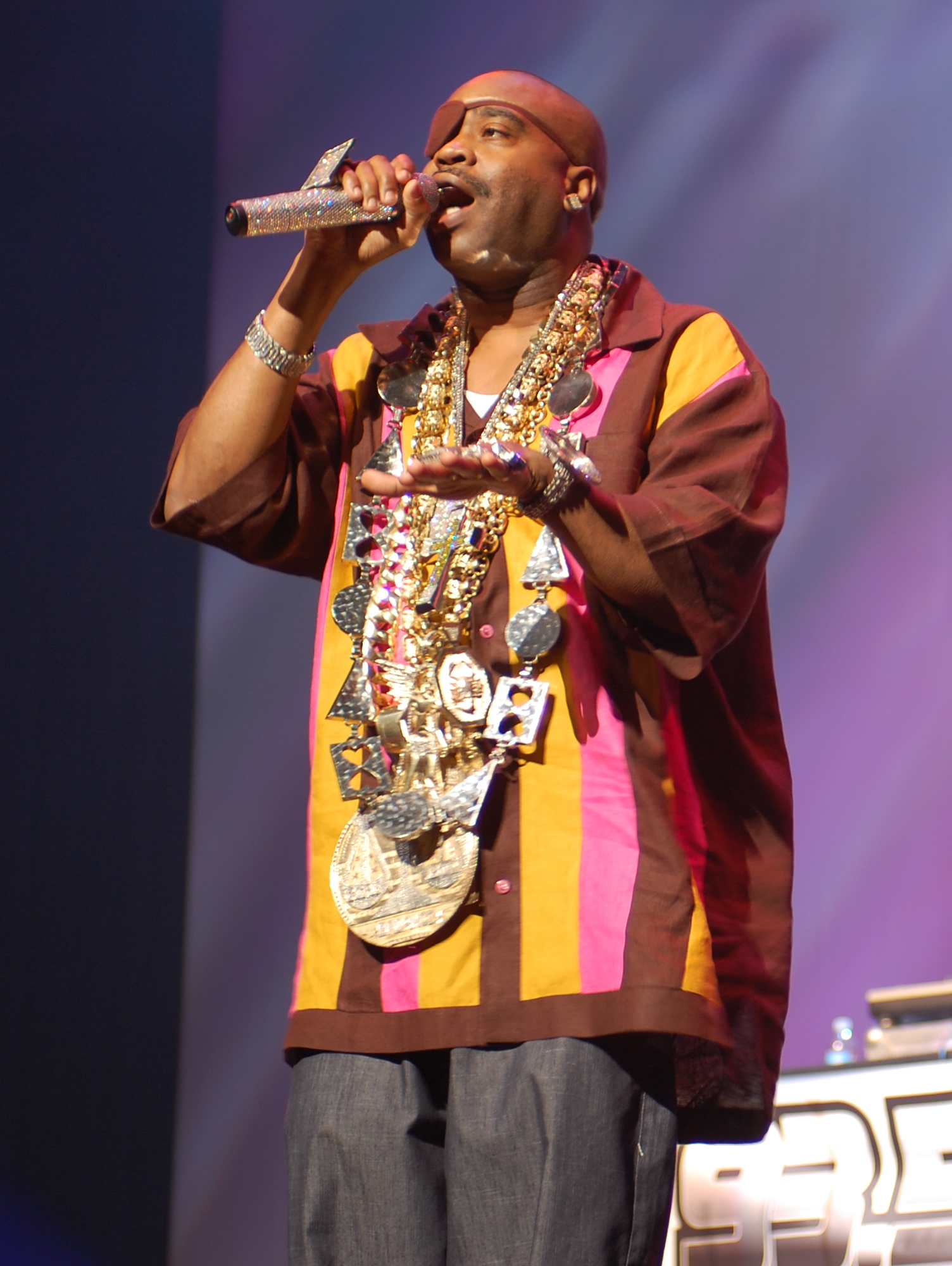


 photo: napalm filled tires · cc by-sa 2.0 ↗
Dennis Coles grew up in Staten Island's Stapleton Houses, helped assemble the Wu-Tang Clan with his childhood friend RZA, and stepped out with 1996's Ironman as the group's most vivid and emotionally direct storyteller. Where his Wu brethren favored kung-fu mysticism and chess-move menace, Ghostface wrote in bursts of hyper-specific sensory detail — brand names, street corners, half-finished thoughts — a style he sharpened further on Supreme Clientele and a two-decade run of soul-sampled solo albums that made him the Clan's most acclaimed writer.
Ghostface has named Slick Rick his outright hero, above every other MC he loves: “He's the only one that told stories in different voices and had all those visuals. I've always liked hearing stories in rap.”
listen forThe shifting first-, second- and third-person voices Rick jumps between on ‘Children's Story’ are the direct blueprint for the way Ghostface narrates through multiple characters — himself, his mother, strangers on the block — inside a single verse on ‘Wildflower.’
Ghostface has said flatly, “I love... G Rap,” pointing to the dense, cinematic crime narration Kool G Rap pioneered as part of the New York lineage that shaped his own street-level storytelling.
listen forThe novelistic scene-setting of G Rap's ‘Road to the Riches’ — names, corners, consequences laid out like a screenplay — reappears in Ghostface's own densely plotted underworld narration on ‘Camay.’
Ghostface counted Big Daddy Kane among the MCs he “loves” in the same breath as G Rap and Rakim, citing the ferocity of that generation of New York writers as a baseline he measured himself against.
listen forKane's rapid-fire, chest-out authority on ‘Ain't No Half-Steppin'’ is the swagger Ghostface channels into the aggressive, no-apology verses on ‘260.’