walking upstream…
Francisco Tárrega
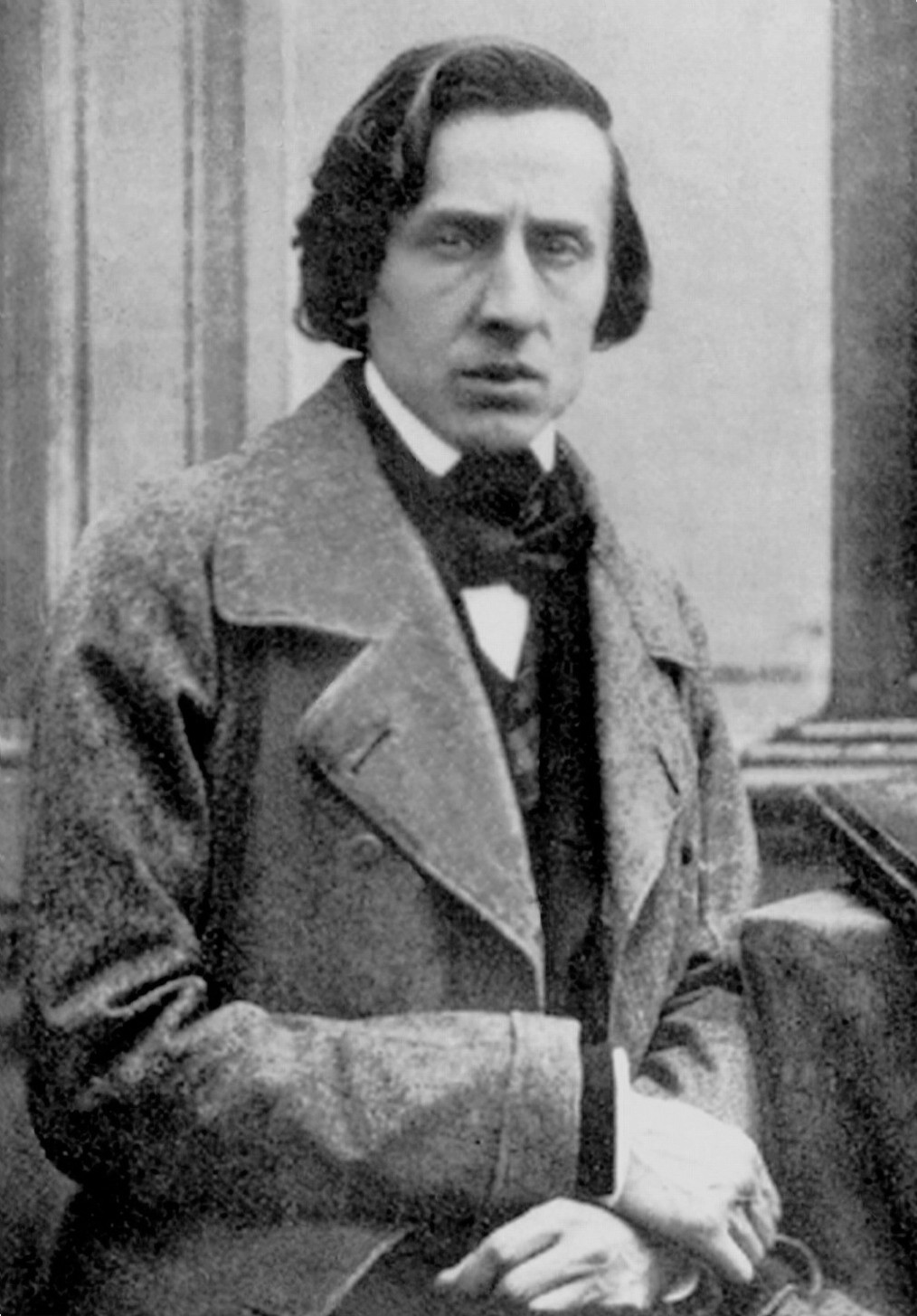
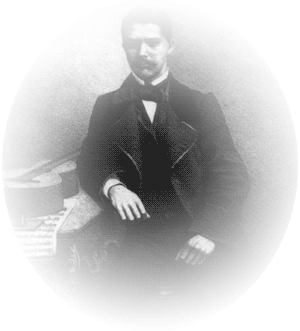
 photo: trewert · public domain ↗
Francisco Tárrega
sourcesLa guitarra y los instrumentos de cuerda pulsada — Adrián Rius Espinós, "La influencia de J. Arcas en Tárrega" (Arcas/Tárrega press and program research) · Robert Kearns, Trinity College Dublin dissertation (2011) — "Tárrega's Transcriptions of Chopin for Guitar" (bar-level Sueño/Chopin comparison; Torres-guitar acquisition scene) · Walter Aaron Clark, "Francisco Tárrega and the Art of Guitar Transcription" (2009 essay backing Tárrega's favorite composers and transcription practice) · Jesuo de las Heras, "Tárrega, his life and music" (1998 talk, backing Arcas's Jota Aragonesa as source for Tárrega's Gran Jota)
A childhood eye infection left Tárrega with severely limited sight, and his own nearly blind father pushed him toward music as a livelihood rather than a hobby. Two blind teachers carried him through Villarreal until, at ten, the touring virtuoso Julián Arcas heard him play and marked him for something more. At Madrid's Royal Conservatory, the director Emilio Arrieta first steered him toward piano, then reversed himself after one recital: "The guitar needs you; you were born for it." Tárrega spent the rest of his life proving him right, transcribing Bach, Beethoven and Chopin for an instrument the concert world still doubted, and composing the tremolo study "Recuerdos de la Alhambra" and "Capricho Árabe" that guitarists still learn as vocabulary. He died in Barcelona in 1909, thirteen days after finishing his last piece, "Oremus."
the sound in question
1892
Capricho ÁrabeFrancisco Tárrega
walk the tributaries ↓
Frédéric Chopin1830s-40s · Classical / Romantic
Of everyone Tárrega transcribed — Bach, Beethoven, Mozart, Verdi, Wagner — it was Chopin who reshaped his own pen, not just his concert programs. The musicologist Walter Aaron Clark, biographer of Tárrega's friend Albéniz, put it plainly: "his favorite composers were Beethoven and Chopin, many of whose works he arranged for guitar." Tárrega's turn to mazurkas, waltzes and préludes as his own compositional vocabulary — the small salon forms making up most of his catalogue — traces to that same source; guitar scholar Robert Kearns concludes the choice "comes almost certainly from Chopin."
listen: upstream & here
1832
Mazurka in B-flat major, Op. 7 No. 1Frédéric Chopin
Sueño (Mazurka)Francisco Tárrega
listen forChopin's Mazurka in B-flat major, Op. 7 No. 1 opens with a rising three-note figure over a lilting dance pulse. Tárrega's own mazurka "Sueño" opens with the identical shape: Robert Kearns's bar-by-bar comparison found its "opening ascending melodic pattern... taken directly from the Chopin mazurka," with just one added chromatic passing note before Tárrega's phrase settles into its own, sparer guitar voice.
Julián Arcas1850s–1870s · Classical Guitar / Romantic
In 1862, the ten-year-old Tárrega played for the touring virtuoso Julián Arcas after a concert in Castellón, and Arcas agreed on the spot to take him on in Barcelona. Arcas had spent a decade championing a Seville guitar maker named Antonio de Torres, and it was after hearing Arcas play one of Torres's instruments that Tárrega's patron Antonio Canesa brought him to Torres's workshop. Emilio Pujol, Tárrega's own student and first biographer, describes what happened when the boy played a few chords on an ordinary guitar: Torres's surprise grew until he said, "Wait; this guitar is not for you... This is the guitar you deserve."
listen: upstream & heresource: Richter Guitar — "Julián Arcas" (Arcas biography and his role steering Torres's guitar-making) ↗
Jota AragonesaJulián Arcas
Gran Jota AragonesaFrancisco Tárrega
listen forArcas's "Jota Aragonesa" opens with the stamping rhythm and open-string drone typical of his touring repertoire of Spanish dance fantasias. Tárrega's own "Gran Jota" keeps that same opening outright — a catalogue note sourced to Pujol records that Arcas composed its introduction, with Tárrega only improvising the variations after it. Listen for where that borrowed opening ends and Tárrega's wider fretboard reach and more Romantic phrasing take over.