Fleetwood Mac


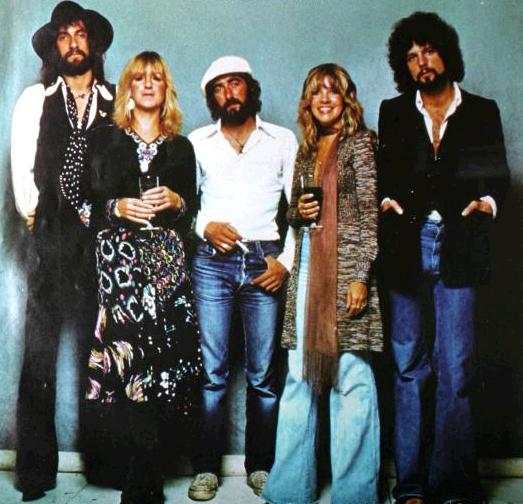 photo: warner bros. records · public domain ↗
Fleetwood Mac formed in London in 1967 as a hard-edged British blues band led by guitarist Peter Green, its rhythm section of drummer Mick Fleetwood and bassist John McVie giving the group both its name and its enduring spine. After Green's departure and a period of upheaval, the 1975 arrival of the American duo Lindsey Buckingham and Stevie Nicks, alongside keyboardist Christine McVie, remade the band as a glossy, harmony-rich pop-rock machine that culminated in the 1977 blockbuster 'Rumours.' Few groups have so completely reinvented themselves, carrying a Chicago-blues foundation into one of the best-selling pop albums ever made.
Fleetwood Mac's original leader, guitarist Peter Green, took B.B. King as a primary model, favoring economy, tone, and vocal-like phrasing over speed; King in turn singled Green out for praise. Green's slow-blues showcases with the early band lean on the sustained, bent single notes that were King's signature.
listen forPut on B.B. King's 'You Know I Love You' and follow how his guitar answers each vocal line with a single crying, bent note, then hear Peter Green do almost exactly that across 'Need Your Love So Bad' — the guitar phrases like a second voice, milking one note for all its ache rather than filling the space.
Guitarist Jeremy Spencer joined the early Fleetwood Mac specifically for his command of Elmore James material, and much of the band's first album is built around James-style slide, most directly on a cover of his 'Shake Your Money Maker.' Spencer's slashing bottleneck lines gave the blues-era group one of its two defining guitar voices.
listen forCue Elmore James's 'Dust My Broom' for that famous stinging, repeated slide figure, then drop into Fleetwood Mac's 'Shake Your Money Maker' — Spencer plays the same electrified, high-strung bottleneck attack, chasing James's tone almost note for note.
Lindsey Buckingham has repeatedly named Brian Wilson as his chief influence, and Wilson's meticulous, multi-tracked vocal-and-instrumental layering became a model for Buckingham's studio approach on the band's Buckingham-Nicks-era records. That perfectionist, harmony-stacking craft shaped how Fleetwood Mac's biggest hits were assembled.
listen forListen to the interlocking vocal and instrumental layers of the Beach Boys' 'God Only Knows,' then the way Fleetwood Mac's 'The Chain' is built up from separate parts stacked into a single moving whole — the same idea of arrangement as architecture, every layer placed for effect.