walking upstream…
Chinmayi


sourcesParentCircle — Parents are the first gurus, says Chinmayi Sripada (career-deciding Rahman songs, mother as guru) · Madras Ink — Chinmayi · The New Indian Express — 'I Count on my blessings' (Carnatic training from age four) · The Hindu — 'Singing is my first love' (Rahman's patronage into dubbing career) · Wikipedia — Chinmayi Sripada
Chinmayi Sripada was born in Bombay in 1984, the granddaughter of the Carnatic doyen Sripada Pinakapani, and raised by a single mother, the vocalist and musicologist T. Padmahasini, who began teaching her classical technique at four and remained, by Chinmayi's account, the strictest teacher she ever had. Spotted at fifteen on the television talent show Saptaswarangal by singer Srinivas, she was introduced to the composer A.R. Rahman and cast to sing 'Oru Deivam Thantha Poove' for director Mani Ratnam's Kannathil Muthamittal (2002), a debut that won her the Tamil Nadu State Film Award for Best Female Playback Singer. She has since recorded across Tamil, Telugu, Hindi and beyond while building a parallel career dubbing film actors. The classical training never left the film voice; it is the ballast under everything she sings.
the sound in question
2013
TitliChinmayi
walk the tributaries ↓
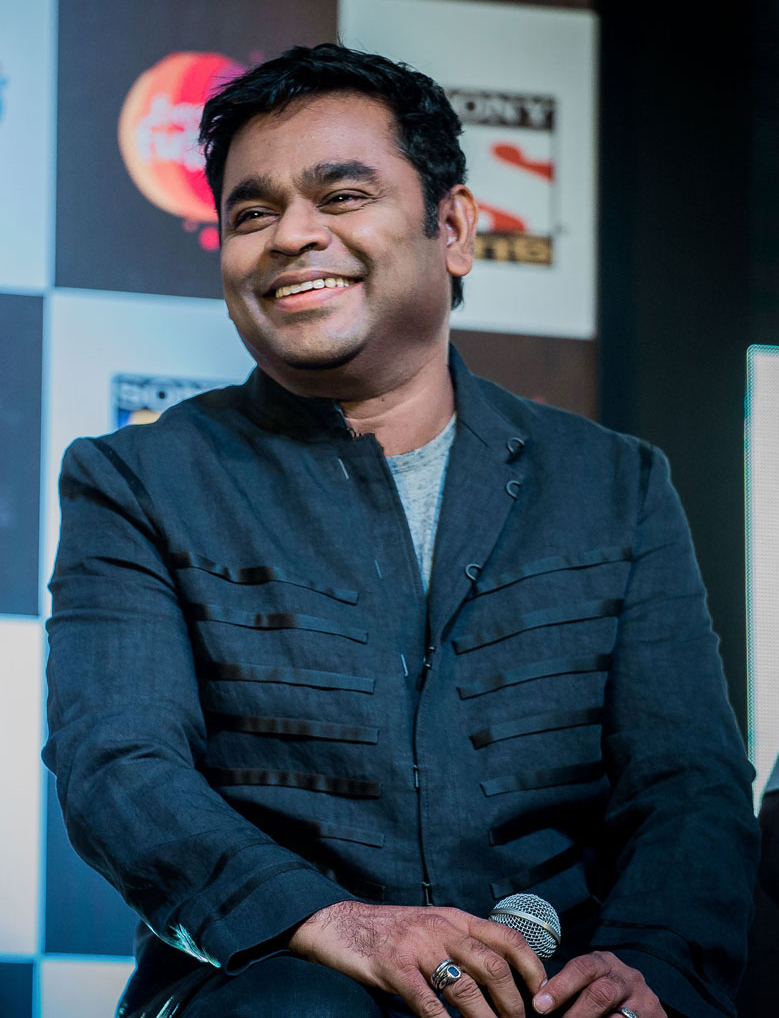
A.R. Rahman1990s–2000s · Film score / Indian classical fusion / Sufi
By twelve, Chinmayi had already picked her target. 'I think the songs, Hai Rama Kya Hua and Netru Illatha Matram, made me decide to be a playback singer,' she has said, 'and I wanted to get a break from Rahman Sir. My mother would laugh and say, What are you saying? It's not going to happen! However, it did happen.' 'Netrindru Illatha Maatram,' the raga-tinted duet Rahman wrote and sang himself for the film Pudhiya Mugam (1993), was the specific recording she chased for years before he cast her.
listen: upstream & here
1993
Netrindru Illatha MaatramA.R. Rahman
2002
Oru Deivam Thantha PooveChinmayi
listen forPlay 'Netrindru Illatha Maatram' from Pudhiya Mugam, then Chinmayi's own 'Oru Deivam Thantha Poove': both keep the female lead close to the mic, letting a single raga-derived phrase bend and settle rather than climb for a chorus hook. Listen for the same restraint in the arrangement too, hand percussion and strings held low under the voice instead of pushing it forward, the hushed template Rahman built nine years apart around two different singers doing the same patient thing.
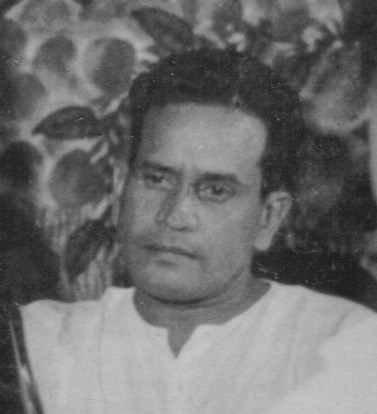
Hariharan1990s–2000s · Ghazal / Playback singing / Hindustani classical
The other title in that same list was 'Hai Rama Yeh Kya Hua,' from the 1995 Hindi film Rangeela, voiced by Hariharan opposite singer Swarnalatha, and his imprint on Chinmayi runs deeper than one song she loved as a girl. At twelve she left Carnatic study for Hindustani classical training specifically because of him, doing so, in her words, 'thanks to Hariharanji. Now I understand the values of this wonderful form.' The listener became a duet partner: the two later recorded 'Aaruyire' together for the 2007 film Guru.
listen: upstream & heresource: The Hindu — Young and talented (Bhimsen Joshi infant mimicry, Hariharan/Hindustani training, Rahman audition) ↗
1995
Hai Rama Yeh Kya HuaHariharan
2007
AaruyireChinmayi
listen forCue 'Hai Rama Yeh Kya Hua,' then 'Aaruyire': the same voice anchors both, twelve years apart, but where Swarnalatha traded lines with Hariharan in 1995, it's Chinmayi answering him in 2007. Her phrasing has picked up his habit of sliding into a note from underneath rather than landing on it straight, the Hindustani ornament she credits him for, and by the second song the two are trading that same slide back and forth like a conversation.
Bhimsen Joshi1950s–70s · Hindustani classical / Khayal
The earliest story anyone tells about Chinmayi's voice isn't about training, it's about mimicry. 'When I was barely a year old,' she told The Hindu in 2006, relaying her mother's account, 'I was keenly watching Bhimsen Joshi on TV and tried to repeat his alaap and tans.' Joshi, a titan of Hindustani classical singing, was the first specific voice she is on record chasing, before Carnatic training formally began at four, before any composer had heard her.
listen: upstream & heresource: The Hindu — Young and talented (Bhimsen Joshi infant mimicry, Hariharan/Hindustani training, Rahman audition) ↗
1983
Bhagyada Lakshmi BarammaBhimsen Joshi
2007
Sahana SaaralChinmayi
listen forSet Joshi's 'Bhagyada Lakshmi Baramma' against Chinmayi's 'Sahana Saaral,' from the 2007 film Sivaji: both circle a single note before releasing into the tune, holding it, bending it slightly flat, then resolving. It's the same taan-like flutter in the throat that, as an infant watching television, she reportedly tried to copy note for note, years before anyone had taught her the word alaap.