walking upstream…
Charlotte Gainsbourg

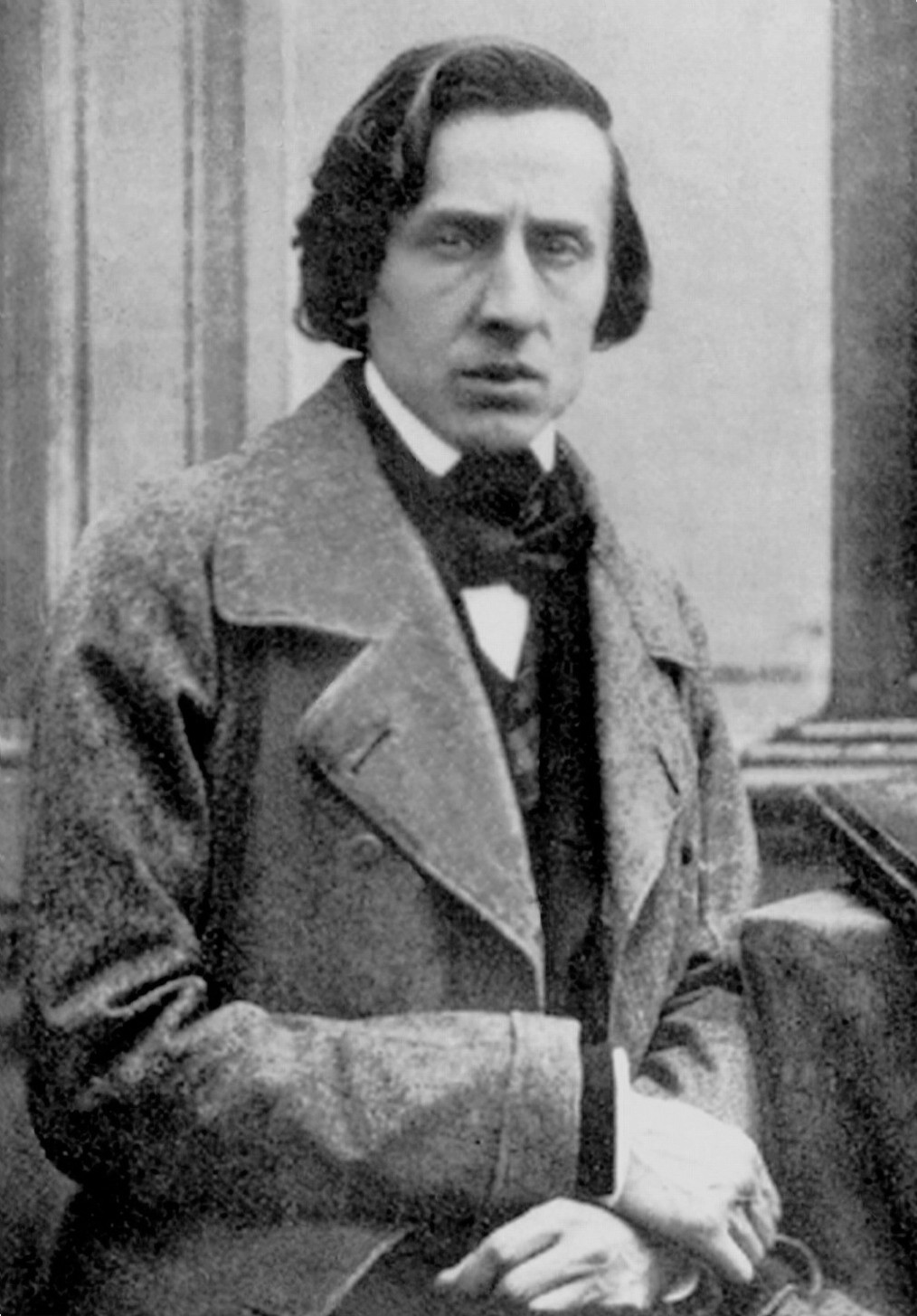

 photo: harald krichel · cc by-sa 4.0 ↗
Charlotte Gainsbourg
sourcesWikipedia · Red Bull Music Academy Daily · Kevin EG Perry · Rolling Stone
Charlotte Gainsbourg grew up half-inside her father Serge's musical world, singing the scandalous 1984 duet "Lemon Incest" with him at twelve before spending years avoiding music that reminded her too much of him after his death. She returned as a genuine recording artist with 2006's 5:55 and 2009's Beck-produced IRM, trading her father's baroque provocations for a hushed, breathy art-pop restraint that treats memory and vulnerability as source material rather than spectacle. Equally known as an actress, she moves between the two careers with the same unhurried, faintly melancholic reserve.
the sound in question
2009
Heaven Can WaitCharlotte Gainsbourg
walk the tributaries ↓
Serge Gainsbourg1960s–70s · Chanson / Pop / Jazz / Yé-yé
Gainsbourg's father wrote and produced her earliest recordings outright, putting twelve-year-old Charlotte in the studio for the scandal-baiting 1984 duet 'Lemon Incest' and writing the entirety of her 1986 debut album Charlotte for Ever around her; her own account of the sessions is blunt — 'he wrote the songs and I recorded in a week and it was done.' That direct, almost ventriloquized start shaped how she'd work later as an adult, still ceding significant authorship to collaborators like Beck and letting a producer's vision carry the record.
listen: upstream & here
1969
Je t'aime... moi non plusSerge Gainsbourg
1986
Charlotte for EverCharlotte Gainsbourg
listen forCompare the title track of 'Charlotte for Ever' to her father's own catalog — the arch, half-spoken delivery and the hint of discomfort under a pretty melody is a direct inheritance, a teenage voice trying on an adult songwriter's persona.
Frédéric Chopin1830s-40s · Classical / Romantic
Gainsbourg has said she 'discovered Chopin through her father,' whose own songs frequently borrowed classical melodies; Chopin was one of the few composers Serge genuinely loved without reservation, and Charlotte grew up around that reverence for a spare, melancholic piano line doing the emotional work a lyric might otherwise have to carry.
listen: upstream & here
1830
Nocturne in E-flat major, Op. 9 No. 2Frédéric Chopin
2007
The Songs That We SingCharlotte Gainsbourg
listen forListen to the aching, minor-key piano figure of Chopin's Nocturne in E-flat and then to the quiet, piano-led verses of 'The Songs That We Sing' — both let a single melancholic melodic line sit almost bare, trusting it to carry the song's sadness without much ornamentation.
Johann Sebastian Bach1720s · Baroque / Classical
Glenn Gould's recording of Bach's Goldberg Variations was reportedly a fixture in both of Charlotte's childhood homes, part of the classical diet — alongside Chopin — that her father considered essential listening. That early exposure to Bach's clean, contrapuntal lines shows up less as direct quotation than as a general comfort with cool, precise, almost mathematical arrangements sitting underneath emotionally spare vocals.
listen: upstream & here
1722
Prelude in C Major, BWV 846Johann Sebastian Bach
2017
Deadly ValentineCharlotte Gainsbourg
listen forSet a Goldberg Variations prelude against the icy, ticking electronic pulse of 'Deadly Valentine' — both hold a steady, almost clockwork rhythmic frame under a melody that stays deliberately understated rather than swelling.