walking upstream…
Black Flag


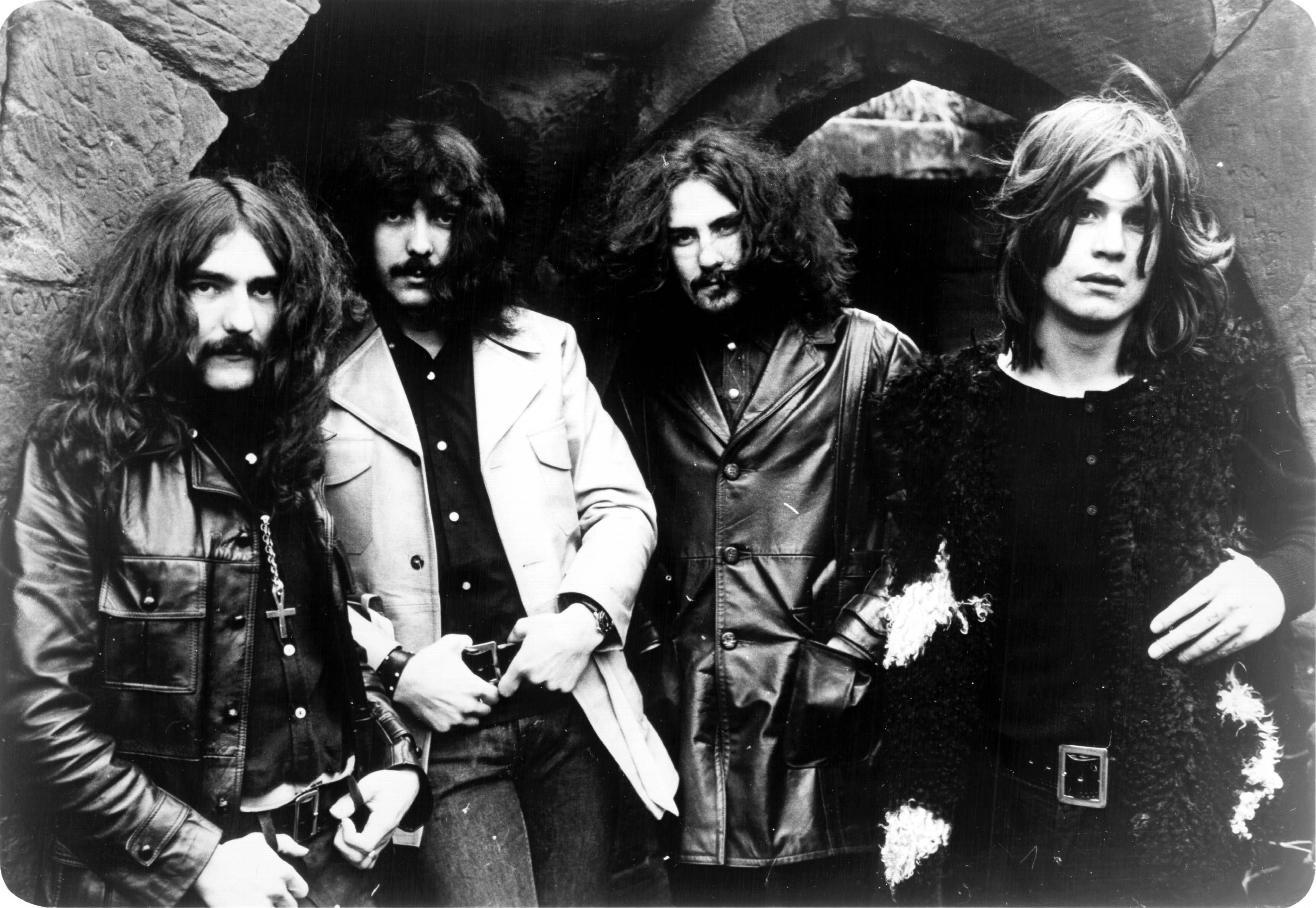
 photo: brandanridd · cc by-sa 4.0 ↗
Black Flag
sourcesStay Thirsty Media — Interview with Greg Ginn (the Stooges/Ramones formation quotes) · Louder Than War — The Genius of Greg Ginn (John Robb on Ginn's guitar style and its free jazz/Grateful Dead/Black Sabbath range) · Wikipedia — Black Flag (band) (formation, lineup, SST Records) · Wikipedia — My War (album structure, side B's slow tempo and doom/sludge-metal precursor status)
In December 1976, Greg Ginn and Keith Morris drove to the Roxy on Sunset Boulevard to see the Ramones, and neither came back the same. Ginn — who ran a small ham-radio mail-order business out of Hermosa Beach — had already soured on LA's velvet-rope showcase circuit; watching pre-punk local bands rent their own halls and print their own flyers taught him, he said, "the kind of work ethic those bands had." Weeks later he had a band. By 1981 it was Black Flag: four vocalists in five years, ending with Henry Rollins; a self-run label, SST Records; and Damaged, an album that took the Ramones' three chords and the Stooges' snarl and pushed both faster and angrier than hardcore had gone — then, on My War, slowed to something closer to doom. The band toured relentlessly, self-released everything, and never asked permission.
the sound in question
1981
Rise AboveBlack Flag
walk the tributaries ↓
Iggy and the Stooges1970s · Proto-punk / Garage rock
Ginn named the Stooges first when asked what built Black Flag's sound: "We were influenced by the Stooges and then the Ramones; they inspired us," he told the magazine Stay Thirsty. It was the earlier debt that mattered more — Iggy Pop's total lack of restraint, a band that sounded like it might fall apart mid-song, appealed to a guitarist already bored with the polish of mainstream rock. Where the Ramones gave him a structure, the Stooges gave him permission to sound genuinely dangerous, feral rather than merely fast.
listen: upstream & here
1969
I Wanna Be Your DogIggy and the Stooges
1981
Six PackBlack Flag
listen forPlay the Stooges' "I Wanna Be Your Dog" and Black Flag's "Six Pack" back to back: both hang the whole song on one blunt, repeated riff and a vocal that sounds like it's fighting to stay on pitch rather than performing control. Iggy Pop's yowl is slow and stoned; Black Flag pushes the same riff at hardcore speed, so what was menacing turns frantic — the chord progression barely changes, only how fast it's allowed to spiral.
Ramones1970s · Punk rock
Ginn pinned the exact moment years later: "The Ramones came out in December '76...That concert may have been the turning point," he said, describing the show at the Roxy that convinced him punk didn't need a British accent. The effect reached Keith Morris just as directly — watching the Ramones, Ginn recalled, made Morris realize he "doesn't have to be some classical operatic singer, he could just do his own thing." Black Flag kept the three-chord blueprint but sanded off the Ramones' bubblegum hooks, replacing them with something closer to a shout.
listen: upstream & heresource: Arthur Magazine — Their War ↗
1976
Blitzkrieg BopRamones
1978
Nervous BreakdownBlack Flag
listen forSet the Ramones' "Blitzkrieg Bop" against Black Flag's debut "Nervous Breakdown": both strip the song to a handful of chords, a chant-along vocal, and a beat that never lets up for a bridge or a solo. But where the Ramones' hey-ho-let's-go is a pep rally, Morris's voice on "Nervous Breakdown" cracks and outruns the beat entirely, turning the same bare structure into something closer to a panic attack than a party.
Black Sabbath1970s · Heavy metal / Hard rock
Ginn and Keith Morris met at a Hermosa Beach record store where the soft rock playing over the speakers — "the Eagles, Jackson Browne, the Stevie Nicks Fleetwood Mac," Morris called it — was everything they hated. What they wanted instead: "Give me some Black Sabbath, Grand Funk Railroad, Black Oak Arkansas," Morris recalled telling Ginn, describing drives in his '64 red Impala to see Thin Lizzy and Journey at the Santa Monica Civic. That taste for volume and doom resurfaced years later on My War's slow, bludgeoning second side, when Black Flag traded hardcore's sprint for something closer to Sabbath's crawl.
listen: upstream & heresource: Arthur Magazine — Their War ↗
1970
Black SabbathBlack Sabbath
1984
Nothing Left InsideBlack Flag
listen forPlay Black Sabbath's title track, "Black Sabbath," next to Black Flag's "Nothing Left Inside" and the tempo tells the story: Sabbath's tritone riff crawls under Ozzy's dread-soaked wail, built for maximum weight rather than speed. "Nothing Left Inside" slows Black Flag down to nearly that same pace, Ginn's downtuned riff repeating for over six minutes until the song stops sounding like hardcore and starts sounding like the sludge metal it helped invent.