walking upstream…
Bad Bunny

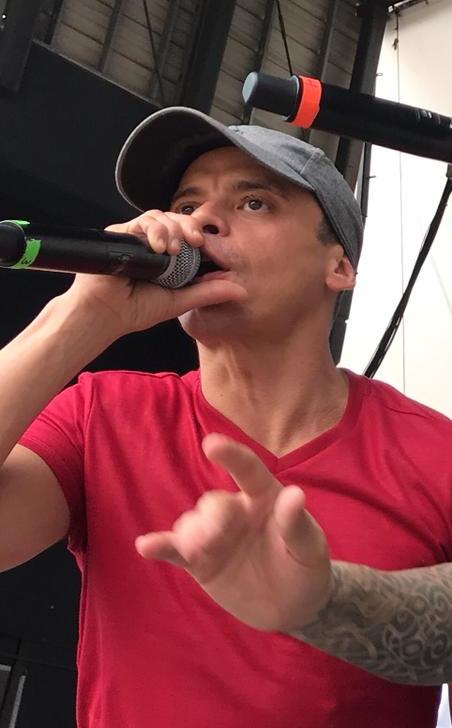

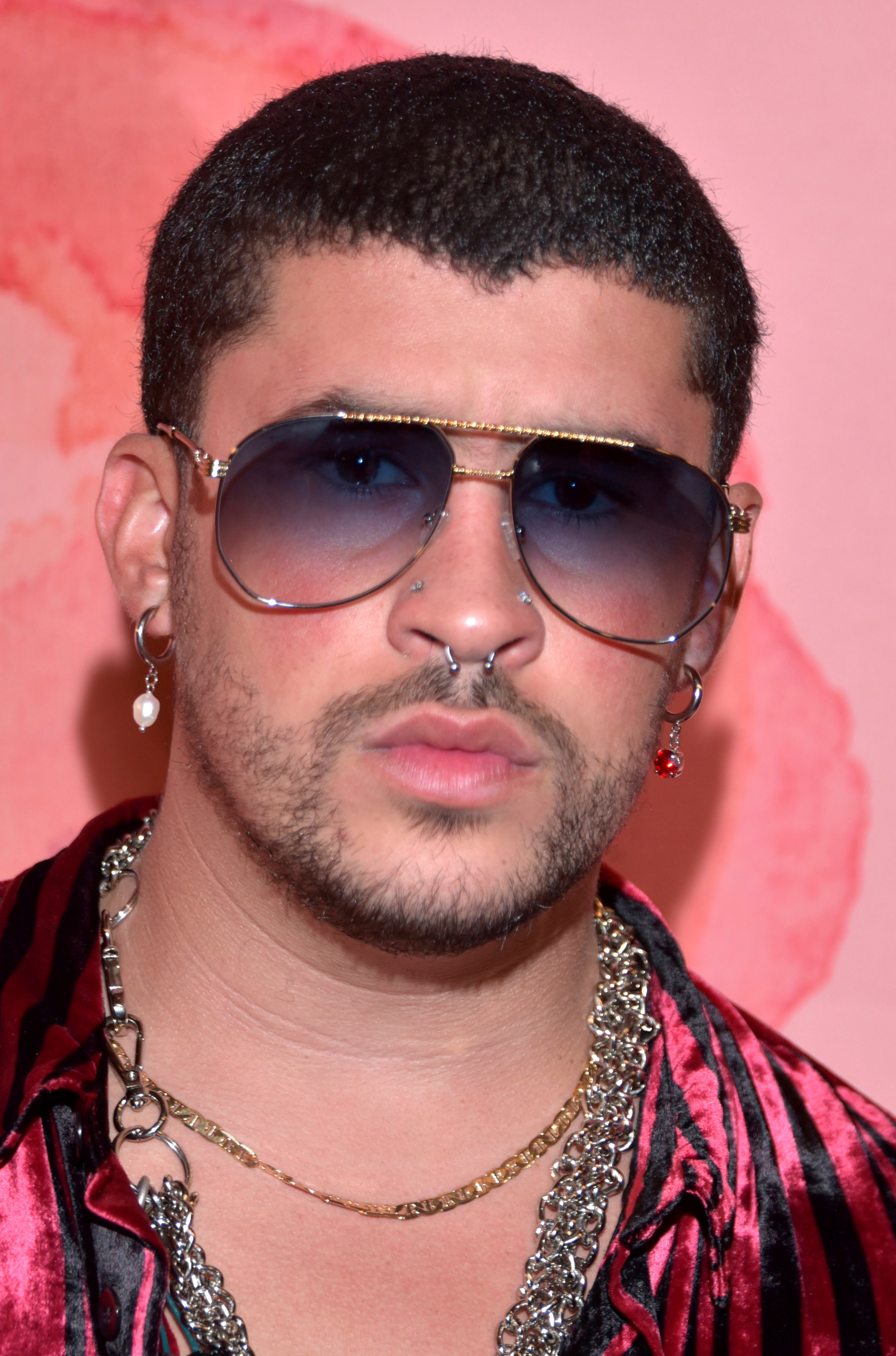 photo: toglenn · cc by-sa 4.0 ↗
Bad Bunny
sourcesTeachRock — Trace It Back · Rolling Stone — Daddy Yankee at 50 (Daddy Yankee as the trailblazer behind Bad Bunny's generation) · The Hollywood Reporter — How Bad Bunny Spurred Salsa's New Wave (Héctor Lavoe and the classic salsa lineage) · Americas Quarterly — Exploring Bad Bunny's Oeuvre (his onstage homage to Héctor Lavoe) · Remezcla — How Bad Bunny Became the Poster Boy of Trap en Español, 2017 (breakout and early career) · Wikipedia — Bad Bunny (lead only)
Benito Antonio Martínez Ocasio grew up in Vega Baja, Puerto Rico, absorbing the salsa and merengue his father played on long drives and the ballads his mother kept on at home, alongside the reggaetón his friends lived on — Daddy Yankee, Don Omar, Ivy Queen, Calle 13. Uploading tracks to SoundCloud while working as a supermarket bagger, he broke out in the late 2010s to become reggaetón and Latin trap's defining global voice of the 2020s, folding dembow, bolero, and dance-pop into music that stays rooted in Puerto Rican identity and politics.
the sound in question
2022
Tití Me PreguntóBad Bunny
walk the tributaries ↓
Daddy Yankee2000s · Reggaeton / Latin pop
Bad Bunny grew up on Daddy Yankee's perreo-ready dembow, and that same clipped, insistent rhythmic pocket still underlies his own club tracks.
listen: upstream & heresource: Billboard — Bad Bunny cover story, 2019 (the Vico C record at age five; Héctor Lavoe and Daddy Yankee among his teenage listening) ↗
2004
GasolinaDaddy Yankee
2020
SafaeraBad Bunny
listen forCue up Daddy Yankee's 'Gasolina' and then Bad Bunny's 'Safaera' back to back — the same boom-ch-boom-chick dembow snap drives the low end of both, just filtered through a different generation's studio sheen.
Vico C1990s · Hip-hop / Reggaeton / Christian hip-hop
A Vico C record landed in Bad Bunny's hands as a gift when he was five and turned him toward rap en español, and Vico C's dense, socially conscious Spanish-language storytelling set the template Bad Bunny reaches for in his most pointed songs.
listen: upstream & heresource: Billboard — Bad Bunny cover story, 2019 (the Vico C record at age five; Héctor Lavoe and Daddy Yankee among his teenage listening) ↗
1998
Aquel Que Había MuertoVico C
2022
El ApagónBad Bunny
listen forHear the narrative, moralizing rap DNA of Vico C's 'Aquel Que Había Muerto' echo in Bad Bunny's 'El Apagón,' where he trades hooks for pointed commentary on gentrification and Puerto Rico's power grid.
Héctor Lavoe1970s · Salsa
Bad Bunny has named Héctor Lavoe among the artists who shaped him growing up, and salsa's melodic phrasing and dramatic vocal runs surface in the more musical, live-instrumentation corners of his catalog.
listen: upstream & heresource: Billboard — Bad Bunny cover story, 2019 (the Vico C record at age five; Héctor Lavoe and Daddy Yankee among his teenage listening) ↗
1978
El CantanteHéctor Lavoe
2022
Yo No Soy CelosoBad Bunny
listen forPut on Héctor Lavoe's 'El Cantante' and then Bad Bunny's 'Yo No Soy Celoso' — listen for the same romantic salsa lilt and horn-driven warmth underneath Bad Bunny's reggaetón delivery.