Anitta
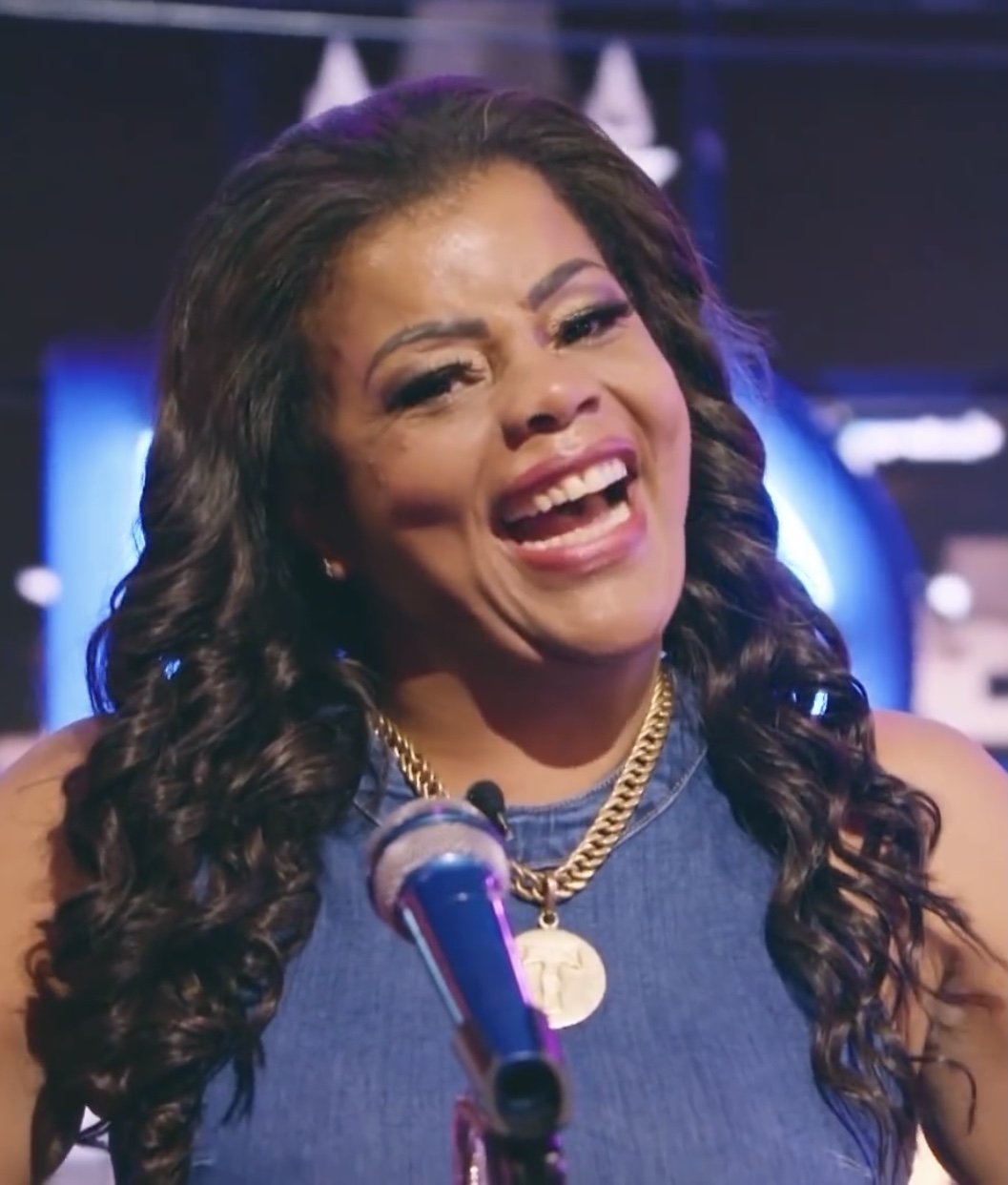


Larissa de Macedo Machado grew up in Rio de Janeiro's Honório Gurgel favela and broke out of the funk carioca scene in 2013, then spent the following decade re-engineering herself into a genre-hopping global pop star fluent in Portuguese, Spanish, and English. She is widely credited with pulling funk carioca out of the margins and into the Brazilian and international mainstream, while still pointing back to the genre's originators as her roots. Her catalog moves fluidly between raw favela funk, reggaeton, and glossy US-style pop without settling into any one of them for long.
enthusiast, ear-level
listen forAnitta has said she listened to Tati Quebra-Barraco long before she was famous herself, and in 2024 that debt got made explicit: The Weeknd and Anitta's 'São Paulo' is built around a sample of Tati's 1997 favela-party track 'Bota na Boca, Bota na Cara.' Put them back to back and you can hear the same raw, chant-along tamborzão energy that Anitta later polished for arenas without ever fully sanding off.
enthusiast, ear-level
listen forFor 'Girl from Rio,' Anitta's production team took the melody of Jobim and Vinícius de Moraes's 'Garota de Ipanema' and rebuilt it as a big pop chorus, deliberately swapping the song's postcard-Rio glamour for the city she actually grew up in. Listen for how much of Jobim's original melodic shape survives intact even as the arrangement, lyric, and attitude get completely rewired for 2021.
enthusiast, ear-level
listen forAnitta has said flatly that she loves Beyoncé 'with passion' and counts her among her biggest influences. You can hear the aspiration on 'Bang,' Anitta's first fully English-language push for global pop crossover: the belted vocal runs and glossy, arena-scaled delivery reach for the same commanding, note-perfect diva presence Beyoncé built her career on with tracks like 'Crazy in Love.'