Amos Milburn

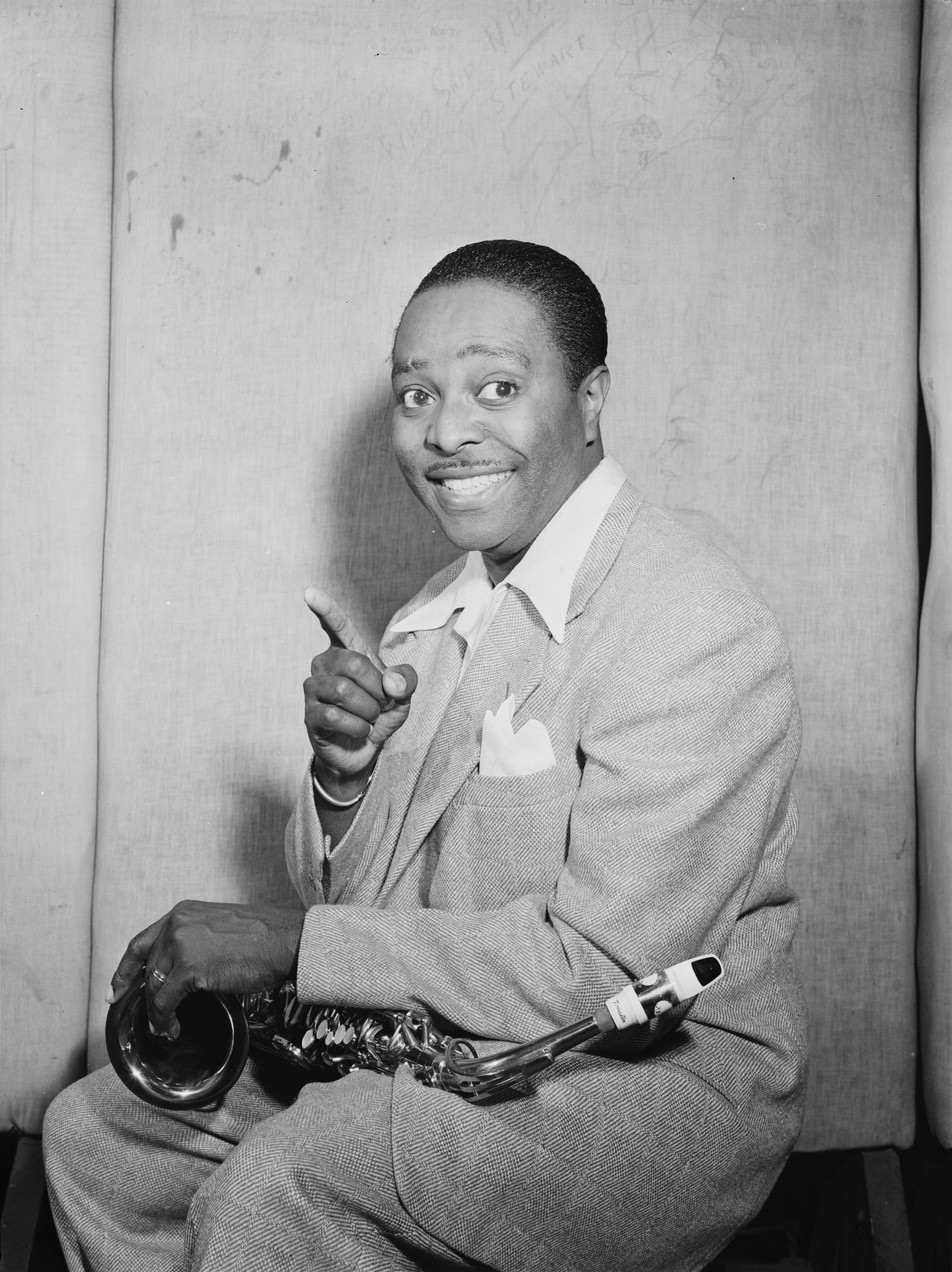
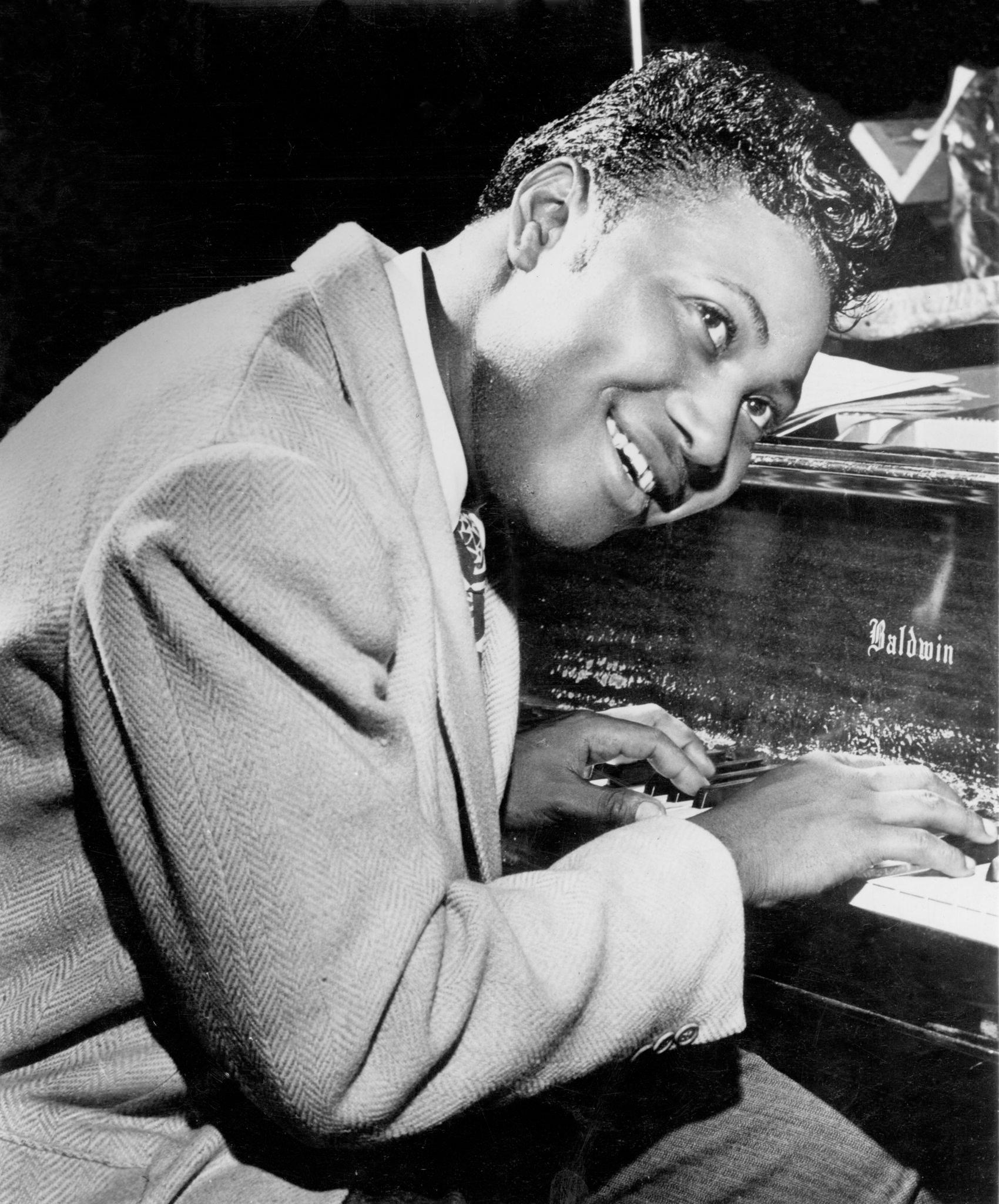 photo: public domain ↗
In 1932, five-year-old Amos Milburn taught himself "Jingle Bells" on a piano his parents had rented for his sister's wedding, the party trick that became a vocation. He grew up eavesdropping outside Houston's juke joints, enlisted in the Navy at fifteen by lying about his age, and came home to a club circuit where a fan named Lola Cullum liked what she heard enough to carry his demo of "After Midnight" to Aladdin Records president Eddie Mesner's hospital bed. Mesner signed him on the spot, and from 1946 Milburn built a run of drinking-song hits, "Bad, Bad Whiskey," "One Scotch, One Bourbon, One Beer," on a boogie-woogie piano so propulsive that historians still argue whether Aladdin kept him twelve years or eight. He is remembered almost entirely as what came before: the pianist Fats Domino and rock and roll grew out of.
Milburn and Charles Brown were road partners for a decade, splitting bills and swapping songs long before either had a name for what happened between them onstage. Their debt runs deeper than friendship: writing up Milburn's 1948 ballad "Bewildered," the discographer J.C. Marion called it "a bluesy ballad much in the style of Nat Cole and Charles Brown" — the same unhurried, late-night phrasing Brown had built his reputation on with Johnny Moore's Three Blazers. One profile of Milburn also lists Brown, his "lifetime friend," among the four artists he claimed as his own inspiration.
listen forCharles Brown's 1945 "Drifting Blues," cut with Johnny Moore's Three Blazers, moves at an unhurried, brushed crawl, his voice pooling behind the beat like it's in no hurry to arrive anywhere. Milburn's own 1949 "Driftin' Blues" — the discographer J.C. Marion calls it flatly "his version of Driftin Blues" — slows his usual barrelhouse attack to match: a sparser left hand, more room between phrases, a vocal that leans on vowels the way Brown does rather than pushing through them. It's the one record where Milburn sets the boogie aside to sing like his friend.
Milburn built his post-Navy band the way Louis Jordan had built the Tympany Five: a small, horn-driven combo playing songs you could dance to and laugh at in the same three minutes. One profile of Milburn's early career lists Jordan first among the handful of artists he claimed as his own models, and the fit shows — where Jordan turned drinking, courting and bad luck into wisecracking novelty hits for the jukebox, Milburn built a catalog, "Bad, Bad Whiskey" among the first of it, out of the same comic, shuffling drinking-song formula.
listen forJordan's 1942 "What's the Use of Getting Sober (When You're Gonna Get Drunk Again)" sets its warning about drink to a bouncing, horn-punctuated shuffle and a vocal that grins through every line instead of moaning it. Milburn's 1950 "Bad, Bad Whiskey" runs the identical trick eight years later: the same comic self-pity, horns answering the vocal line, and a refusal to let a drinking song turn into a dirge. Neither record treats the bottle as tragedy; both play it for a punchline the band is in on.