walking upstream…
Tina Turner



In a Montreal hotel room in 1984, Tina Turner chanted a Buddhist invocation, proof, she said, that she'd outlasted her own past. Born Anna Mae Bullock in Nutbush, Tennessee, in 1939, she left a Baptist choir for the St. Louis club circuit as a teenager, where bandleader Ike Turner built an act, a sound, and a marriage around her voice. "That was the first time he beat me up," she said of the marriage, and by her account the violence lasted sixteen years. She walked out in 1976 with thirty-six cents and rebuilt herself from Vegas cabaret rooms into 1984's solo triumph, Private Dancer. Her voice, wrote the journalist Kurt Loder in her memoir, I, Tina, "combined the emotional force of the great blues singers with a sheer, wallpaper-peeling power that seemed made to order for the age of amplification" — too big for any room it was put in.
the sound in question
1984
What's Love Got to Do with ItTina Turner
walk the tributaries ↓
Ray Charles1950s–60s · Soul / R&B / Gospel
Asked by Rolling Stone in 1971 who had shaped her singing, Turner didn't hedge: "I never did like James Brown. I always did like Ray Charles. He was my only influence, because I always liked to sing more or less like men sing, and sound like they sound." It's a striking answer from a woman already famous for out-shouting a nine-piece band — she wasn't naming a favorite record, but a whole vocal posture: sing like the men did, not like the era's demure girl groups, and let the voice go raw before it goes pretty.
listen: upstream & heresource: Rolling Stone — "Tales of Ike and Tina Turner" (1971; Turner naming Ray Charles and Sam Cooke as her influences, the Ike Turner discovery account, the Proud Mary rearrangement) ↗
1959
What'd I SayRay Charles
1973
Nutbush City LimitsTina Turner
listen forCharles's 1959 "What'd I Say" turns call-and-response gospel into something openly carnal — his moans against the Raelettes' answering cries, never quite a pretty note. Turner's own "Nutbush City Limits," the song she wrote about her hometown a decade later, uses that same refusal: she barks the verses in a flat, talking cadence rather than croons them, letting the groove — not melody — carry the record, exactly the "sing like men sing" delivery she credited to Charles.
Ike Turner1950s–60s · Rock and roll / R&B / Blues
Ike Turner nearly overlooked her: night after night a teenage Anna Mae Bullock waited by the stage at St. Louis's Club Manhattan for a chance to sing with his band, the Kings of Rhythm, and it never came — until she grabbed the microphone herself. "Everyone came running in to see who the girl was that was singing," she told Rolling Stone in 1984. "Then Ike came down. He was real shy. He said, 'I didn't know you could really sing.'" He built her into a star and, by her own later account, beat her for sixteen years; both things are true of the same man.
listen: upstream & heresource: Rolling Stone — "Tales of Ike and Tina Turner" (1971; Turner naming Ray Charles and Sam Cooke as her influences, the Ike Turner discovery account, the Proud Mary rearrangement) ↗
1951
Rocket 88Ike Turner
1960
A Fool in LoveTina Turner
listen for"Rocket 88," the 1951 single credited to saxophonist Jackie Brenston but driven by Ike Turner's own overdriven amp and boogie piano, is often named rock and roll's first record — all amplifier buzz and forward momentum. Nine years later Ike wrote and produced "A Fool in Love" the same way, cutting it fast when the song's intended singer failed to show and handing the microphone to Tina instead. Same producer, same raw urgency: the record that launched her career is built from the identical unpolished drive as his first hit.
Sam Cooke1960s · Soul / R&B / Gospel
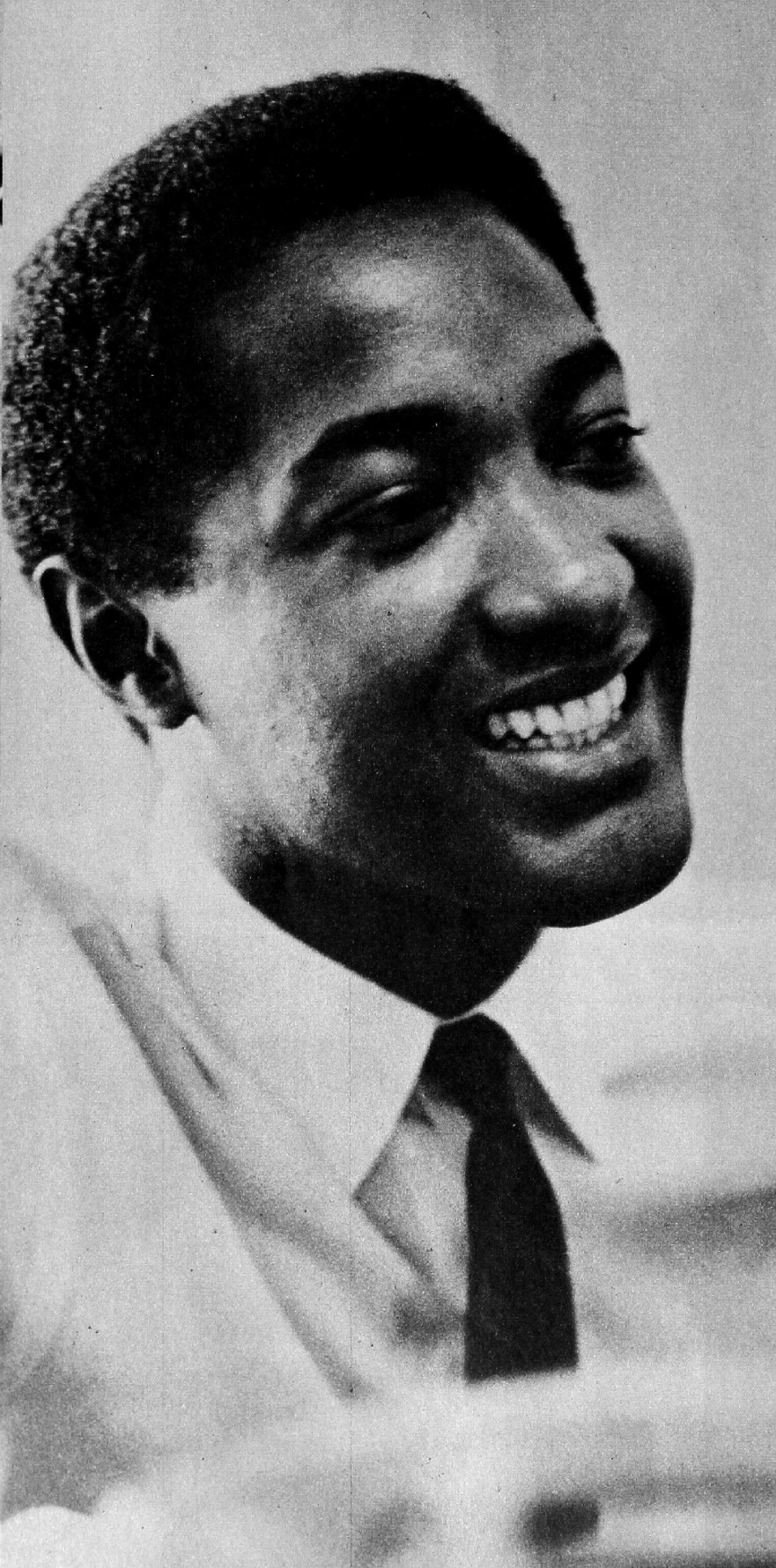
When Turner told Rolling Stone in 1971 that Ray Charles was "my only influence," she didn't stop there — in the same answer she named Sam Cooke as the other man who shaped how she sang, the same instinct toward a virile, no-nonsense delivery over the polished blend she associated with women's pop. Cooke, the former gospel star turned smooth soul crossover singer, never recorded with Turner, and no documented cover connects them directly; the influence lives in that one unprompted testimony, naming him as a touchstone rather than pointing at any specific song.
listen: upstream & heresource: Rolling Stone — "Tales of Ike and Tina Turner" (1971; Turner naming Ray Charles and Sam Cooke as her influences, the Ike Turner discovery account, the Proud Mary rearrangement) ↗
1957
You Send MeSam Cooke
1971
Proud MaryTina Turner
listen forCooke's 1957 breakout "You Send Me" glides on effortless control, the voice never straining, riding just behind the beat. Turner's "Proud Mary," the Creedence Clearwater Revival song she and Ike deliberately rebuilt for the stage, opens with that same restraint — a slow, purring verse — before it breaks wide open into a driving, shouted second half. "We just sort of broke into the black version of it," she said of the rearrangement. The two-part shape, control giving way to release, is the through-line.