walking upstream…
The Lumineers

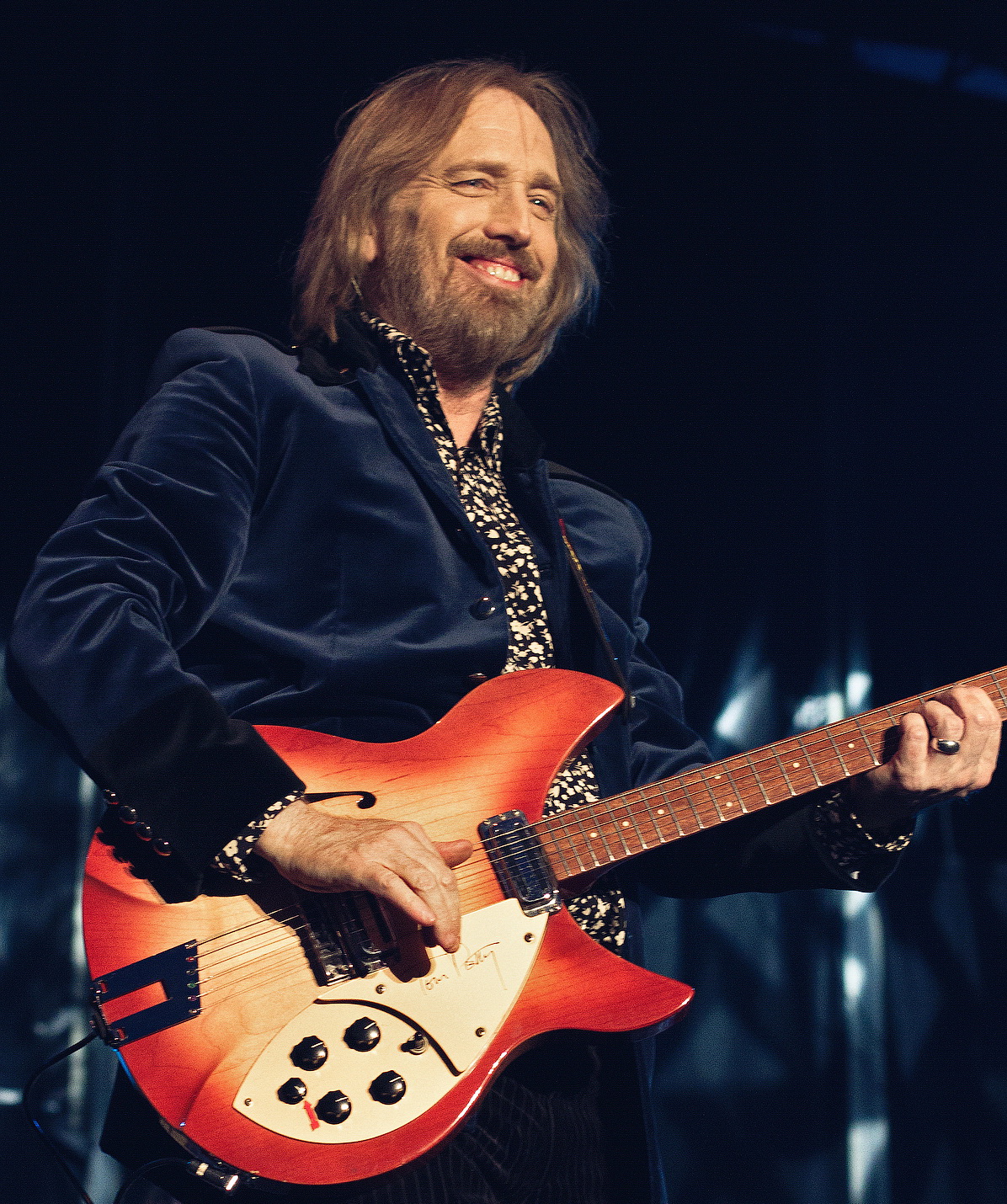

 photo: diegovigueras · cc by-sa 4.0 ↗
The Lumineers
sourcesThe Colorado Sound · Rolling Stone · Colorado Public Radio · Wikipedia
Wesley Schultz and Jeremiah Fraites formed The Lumineers in New Jersey in 2005, then relocated to Denver chasing a scene that would take a stomp-and-holler folk band seriously — a gamble that paid off when "Ho Hey" turned a bare-bones stomp of guitar, cello, and kick drum into a global singalong. The band builds songs around plainspoken, story-driven lyrics and hootenanny arrangements, an old-fashioned campfire urgency dressed up for arena decks. Later records like Cleopatra and III pushed the same folk-rock core toward more electric, character-study songwriting without losing the raw, communal stomp that made them festival headliners.
the sound in question
2012
Ho HeyThe Lumineers
walk the tributaries ↓
Bruce Springsteen1970s-80s · Heartland rock / Rock / Folk rock
Schultz calls Springsteen "our patron Saint of Song" from growing up in New Jersey, and has covered Springsteen's "My City of Ruins" onstage since 2002. Springsteen's blue-collar character studies and open-road escape narratives are the direct model for The Lumineers' songs about leaving small towns behind.
listen: upstream & heresource: Newcastle Herald ↗
1975
Thunder RoadBruce Springsteen
2016
Sleep on the FloorThe Lumineers
listen forCue up "Thunder Road" — screen doors slamming, a narrator begging someone to get in the car and go — then The Lumineers' "Sleep on the Floor," which opens the same way: pack a bag, leave the return address blank, drive until the ache eases. Both ride a building, anthemic surge from a hushed verse into a shouted refrain.
Tom Petty1970s-80s · Rock / Heartland rock / Roots rock
Schultz has called a Tom Petty show one of the defining moments of his musical education, and the band paid tribute directly — covering "Walls" at the 2017 MusiCares gala honoring Petty (who told Schultz afterward how much he liked their version), then again as a charity single after Petty's death; Schultz's wife walked down the aisle to Petty's "Walls." Petty's jangly, radio-ready guitar hooks and plainspoken storytelling run through the band's more electric material.
listen: upstream & heresource: Newcastle Herald ↗
1976
American GirlTom Petty
2016
OpheliaThe Lumineers
listen forListen to the chiming twelve-string jangle and easy strut of Petty's "American Girl," then The Lumineers' "Ophelia" — the piano riff plays the same role as Petty's guitar hook, driving an upbeat, radio-friendly song that still tells a small, plainspoken story.
Bob Dylan1960s · Folk / Folk rock / Rock
Schultz has said Dylan revolutionized music for him — proof a song could carry a real story instead of a hollow hook — and he grew up learning early Dylan tunes as a bar trick to grab a room's attention before he ever wrote his own songs. Dylan's self-titled 1962 debut is one of the specific records Schultz has named as foundational listening.
listen: upstream & heresource: Newcastle Herald ↗
1962
Song to WoodyBob Dylan
2012
Charlie BoyThe Lumineers
listen forPlay the bare, talking-blues cadence of Dylan's "Song to Woody" — just guitar, harmonica, and a young songwriter paying tribute to his hero in his own words — then The Lumineers' "Charlie Boy," a hushed, harmonica-flecked story-song about a soldier who never comes home; both trust a simple melody to carry a plainspoken narrative straight through.