walking upstream…
The Get Up Kids

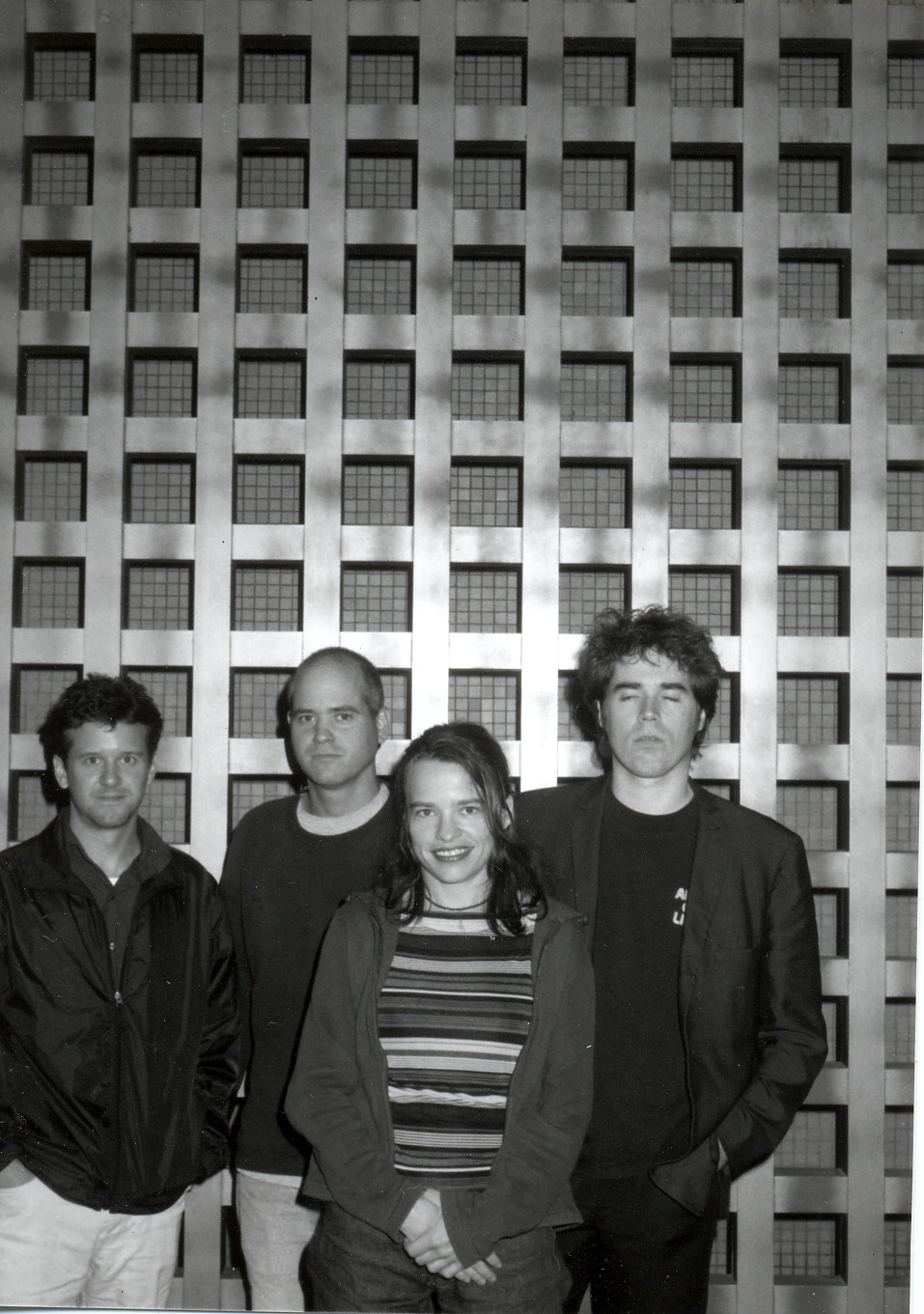

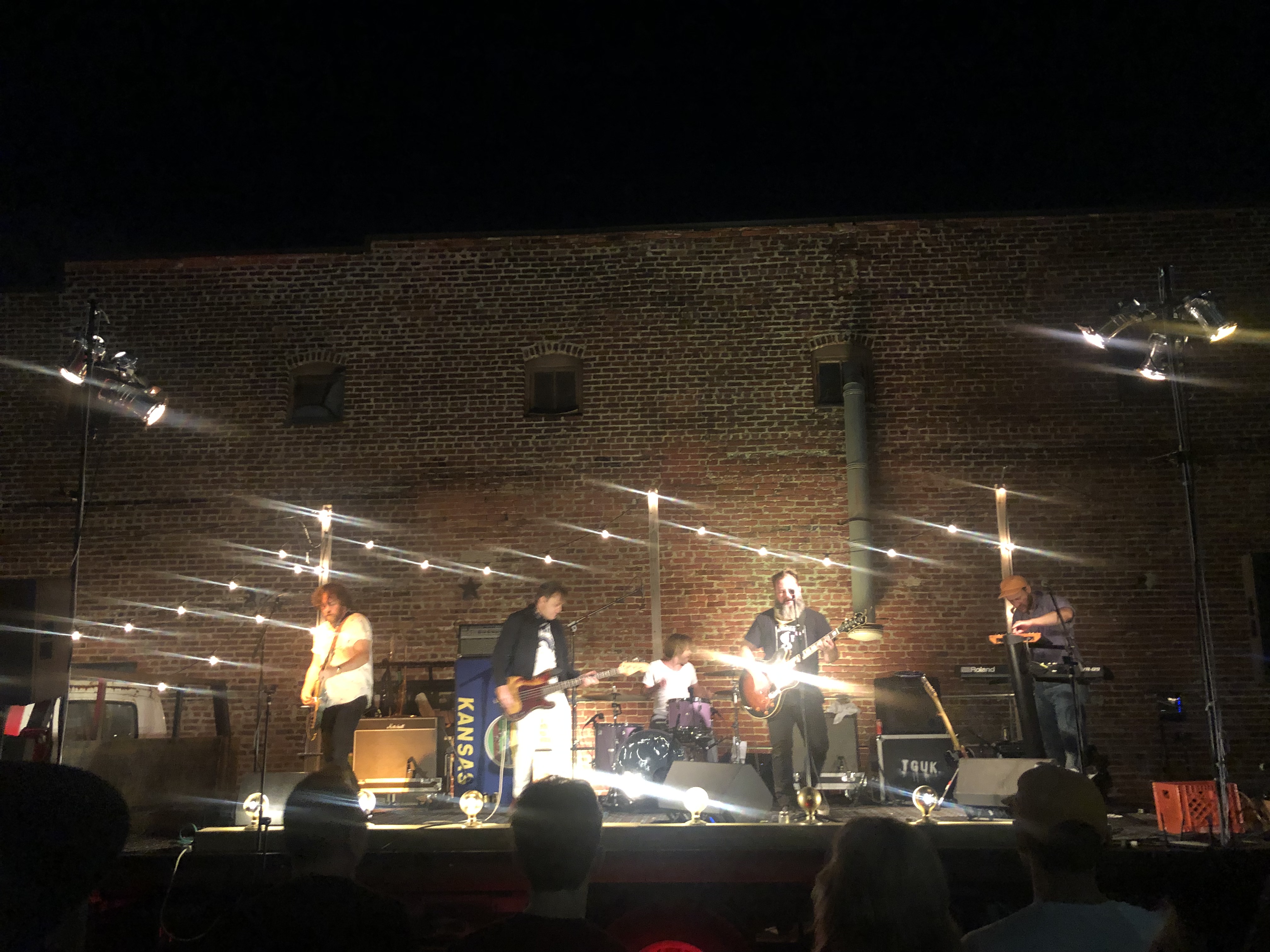 photo: conman33 · cc by-sa 4.0 ↗
The Get Up Kids
sourcesPopMatters — Matt Pryor interview (Fugazi studio anecdote, "we wanted to be Superchunk") · Christie Gee — 20 Questions with Matt Pryor (top-5 albums list, Superchunk touring anecdote) · Stereogum — Ian Cohen, "Something To Write Home About Turns 20" (Superchunk structural comparison, "Don't Hate Me" as spite-punk classic) · Rough Trade Blog — "In Profile · AlterThePress — Essential Guide to Get Up Kids (Vagrant Records breakthrough) · Wikipedia
In July 2009, ahead of a reunion tour built around their breakthrough record, guitarist Jim Suptic looked out at the pop-punk bands citing his band as a father figure and said, flatly, "If this is the world we helped create, then I apologise." The Get Up Kids started as teenagers in Kansas City in 1995 — literally "The Suburban Get Up Kids" before they dropped the qualifier — and their scrappy 1997 debut Four Minute Mile gave way two years later to Something to Write Home About, the chiming, hook-heavy record that turned Vagrant Records from a struggling indie label into an emo-and-pop-punk powerhouse. Fall Out Boy's Pete Wentz put it plainer than most: the band, he said, "would not be a band" without them. The Get Up Kids never asked for the legacy; they built the blueprint anyway.
the sound in question
1999
Action & ActionThe Get Up Kids
walk the tributaries ↓
Fugazi1990s · Post-hardcore / Punk rock
Suptic was fourteen when a friend played him Fugazi, and the story he tells about it barely has a lag: "Fugazi is the reason I am in a band today," he told Drowned In Sound. "When I was 14 I heard Fugazi and started a band the next day." Pryor's devotion runs just as deep — he lists Fugazi's In On the Kill Taker among his five favorite albums ever and names guitarist Ian MacKaye, not any singer, as his single biggest musical hero. Years later, mid-session on There Are Rules, the band caught themselves doing nothing but listening to that same record instead of recording.
listen: upstream & heresource: Drowned In Sound — Jim Suptic interview (Fugazi/Superchunk formative testimony, band's own discomfort with its legacy) ↗
1988
Waiting RoomFugazi
1999
HolidayThe Get Up Kids
listen forPlay Fugazi's "Waiting Room": Ian MacKaye half-talks the verse over a loping bassline before it cracks into a shouted hook, tension held and released in one movement. "Holiday," the song that opens Something to Write Home About, works the same trick at pop scale — one critic called it "an act of violence," a quiet, coiled verse detonating into the album's angriest, biggest chorus. Same architecture, different volume.
Superchunk1990s · Indie rock / Punk rock
"We wanted to be Superchunk," Pryor said flatly when asked why critics keep filing his band under emo — not influenced by, but wanted to be. It's the same devotion behind his favorite memory of the whole career: talking the older, more indie-credentialed Superchunk into taking his band on tour. Suptic named them in the same breath as Fugazi as one of the bands "we were listening to when we started," and the debt runs past admiration into imitation — a hook-first, shout-along energy borrowed wholesale and scaled up for a teenage crowd.
listen: upstream & heresource: Drowned In Sound — Jim Suptic interview (Fugazi/Superchunk formative testimony, band's own discomfort with its legacy) ↗
1990
Slack MotherfuckerSuperchunk
1999
Action & ActionThe Get Up Kids
listen forSuperchunk's "Slack Motherfucker" is all coiled college-rock fuzz and a title that's also its hook, shouted till it becomes a release valve. Critic Ian Cohen heard the direct line to "Action & Action": the record, he wrote, is "to Superchunk what Nevermind was to the Pixies, grafting bigger hooks and less obtuse emotions onto a college rock template." Listen for the same insistent, single-note guitar drive, just with a chorus built for a room to sing back.
Jawbreaker1990s · Emo / Punk rock / Pop-punk
Asked point-blank who the band's influences were, Pryor didn't hedge: "the stuff we all kind of agree on would be Fugazi, Super Chunk, JawBreaker." It's not a passing namecheck — Jawbreaker's 24 Hour Revenge Therapy sits on his all-time top-five albums list, one slot below Fugazi. Where Fugazi gave the band its urgency, Jawbreaker gave it permission to be plainspoken and a little bruised — Blake Schwarzenbach's diaristic, confessional bent runs straight through Pryor's own lyric sheets.
listen: upstream & heresource: The Pop Break — Matt Pryor interview (Fugazi/Superchunk/Jawbreaker named together as shared influences) ↗
1994
BoxcarJawbreaker
1997
Don't Hate MeThe Get Up Kids
listen forJawbreaker's "Boxcar" — from the same 24 Hour Revenge Therapy Pryor named as a favorite — snarls through a spite-punk kiss-off at a dead sprint, hooks intact under the scuzz. "Don't Hate Me," from Four Minute Mile, works the same vein: critic Ian Cohen called it "an unimpeachable spite-punk classic," a caustic, singalong kiss-off dressed in the same raw-throated urgency, just with the guitars scrubbed a shade cleaner.