walking upstream…
The Carpenters
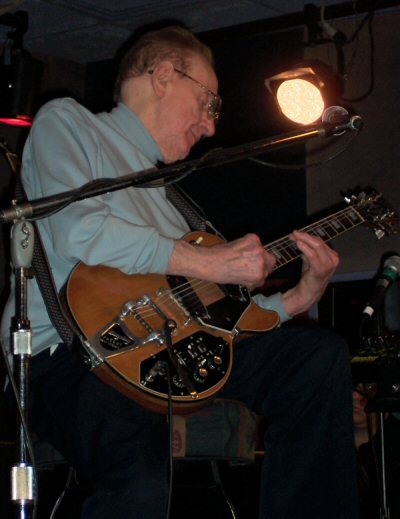

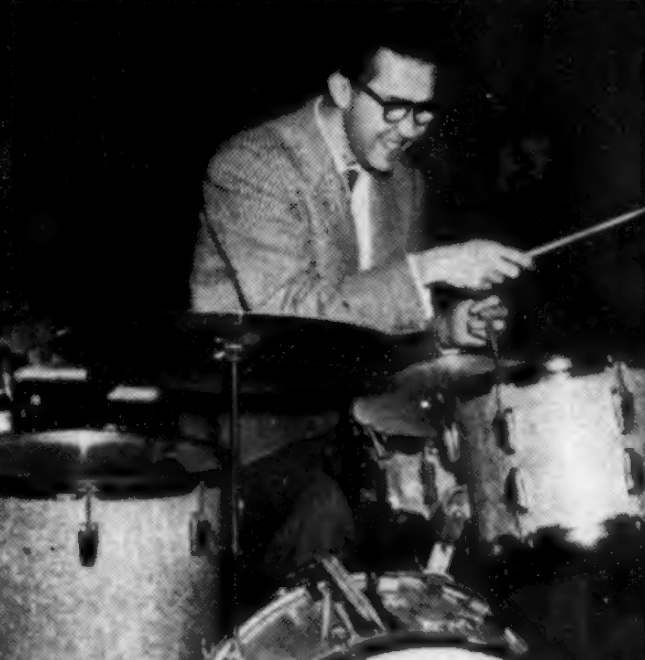
 photo: a&m records · public domain ↗
The Carpenters
sourcesuDiscoverMusic — Why the Music of Carpenters Was Cooler Than You Think (Les Paul & Mary Ford quote) · Electronic Musician (1995, archived) — Arranging Master Class · Smooth Radio — The Story of (They Long to Be) Close to You (Bacharach's reaction, Alpert handing off the song) · Modern Drummer — Karen Carpenter Drum Solo (Video) (1976 TV special drum sequence)
Karen and Richard Carpenter grew up in New Haven, then Downey, California, absorbing music mostly from their father Harold's eclectic record collection, spun on the family's basement stereo. Richard led a teenage jazz trio with Karen on drums; the pair then formed the pop sextet Spectrum before signing to Herb Alpert's A&M Records in 1969. Their debut album underperformed. Its 1970 follow-up made them one of the best-selling acts of the decade, Richard's meticulous arrangements framing Karen's plain, behind-the-beat alto. Critics dismissed the sound as saccharine; the craft underneath it has aged into something closer to reverence. Karen died in 1983 of cardiac arrest brought on by anorexia nervosa, a death that forced overdue public attention onto the disease — and left the catalog sounding, in hindsight, like a document of exactly what unbothered perfection cost her.
the sound in question
1970
(They Long to Be) Close to YouThe Carpenters
walk the tributaries ↓
Les Paul1950s · Pop / Jazz / Instrumental rock
A Les Paul and Mary Ford single from his early childhood stopped Richard cold: "Tiger Rag," built from the tightly stacked, multi-tracked vocals and guitars Paul pioneered in his own home studio. Decades later, asked what shaped the Carpenters' own dense vocal stacking, Richard skipped past any rock or soul touchstone and named the duo directly: "Les Paul and Mary Ford probably had the biggest influence on me because of the overdubbed sound. Boy, did Karen and I take to the whole multi-track thing."
listen: upstream & heresource: Rock Cellar Magazine — Q&A with Richard Carpenter on Carpenters ↗
1951
How High the MoonLes Paul
1973
Yesterday Once MoreThe Carpenters
listen forPlay Les Paul and Mary Ford's "How High the Moon" first: multiple overdubbed Fords blur into a single dense chorus while Paul's guitar, sped up on tape, chatters like something inhuman — studio trickery built to sound effortless. Then cue the Carpenters' "Yesterday Once More": behind Karen's plain lead, a multi-tracked "shoo-bop, shoo-bop" backing chorus swells in, a doo-wop pastiche assembled the same way — one singer, doubled and tripled until it sounds like a crowd remembering the radio.
Burt Bacharach1960s · Orchestral pop / Easy listening / Lounge pop
When Herb Alpert, the trumpeter who co-owned their label, handed Richard Carpenter a lead sheet for a Burt Bacharach and Hal David song several other singers had already passed on, he set one condition: don't listen to my own recording until yours is finished. Richard built the arrangement blind, guessing at Bacharach's harmonic habits from memory. When Bacharach finally heard the result, he didn't hold back: "Man, this is just great! I completely blew it with Richard Chamberlain but now someone else has come along and made a record so much better than mine."
listen: upstream & here
1963
(They Long to Be) Close to YouBurt Bacharach
1970
(They Long to Be) Close to YouThe Carpenters
listen forActor-singer Richard Chamberlain's plain 1963 original of "Close to You" ends the song the way it starts — no surprises. The Carpenters' 1970 remake keeps Bacharach and David's melody but stretches the tag into an extended, triple-tracked "wah" chorus that keeps resolving somewhere unexpected. Richard has said he built it by asking "how would Bacharach do this," modeling the coda on the drawn-out ending of Bacharach's own "Raindrops Keep Fallin' on My Head" — a borrowed trick grafted onto someone else's song.
Joe Morello1950s–60s · Jazz / Cool jazz
Karen got her first kit, a Ludwig, at 14, because she idolized two drummers: Ringo Starr and the Dave Brubeck Quartet's Joe Morello. Within a year of daily practice she'd taught herself Brubeck's lopsided, 5/4 "Take Five." She later played a hi-hat that had passed from the Count Basie drummer Jo Jones down to Morello before it reached her — a lineage the drummer Cindy Blackman Santana noticed decades on: "[s]he was checking out the great history and lineage of the drums — which I completely respect."
listen: upstream & heresource: Yahoo Entertainment — Sheila E. and Cindy Blackman Santana on Karen Carpenter's drumming legacy (Joe Morello, Ringo Starr, Take Five) ↗
1959
Take FiveJoe Morello
listen forMorello's solo on "Take Five" threads Brubeck's lopsided 5/4 pulse with crisp, syncopated fills that never lose the beat — control disguised as ease. Footage from the Carpenters' 1976 television special shows Karen working the same vocabulary live: sock-cymbal command, quick, exact fills, sticks spinning between hits. It's the clearest surviving evidence of the drummer inside the frontwoman — the instrument Karen learned first, filmed the way the era's press rarely bothered to.