SZA



Solána Imani Rowe's diaristic, genre-blurring songwriting on albums like Ctrl and SOS redrew the borders of contemporary R&B, folding neo-soul phrasing, indie-rock guitar, and hip-hop cadence into confessional, stream-of-consciousness verse. Raised on her mother's R&B and gospel records, her father's jazz and funk collection, and her sister's hip-hop tapes, she built a sound that treats vulnerability as its own genre. She emerged through Top Dawg Entertainment to become one of the defining vocalists of alternative R&B's rise.
SZA's rap-sung, stream-of-consciousness verses and unfiltered emotional confession pick up where Hill's rap-singing hybrid left off — the cadence sits between talking and singing, vulnerable and blunt in the same breath.
listen forCue up Hill's 'Doo Wop (That Thing)' and then SZA's 'Broken Clocks' back to back — listen for the same trick: a plainspoken, half-rapped verse that snaps into a big, aching soul hook, sung by someone who sounds like she's thinking out loud rather than performing.
Jamiroquai's love of live-band funk basslines and easy falsetto runs echoes in SZA's groove-driven songs, where the rhythm section carries as much personality as the vocal.
listen forPlay Jamiroquai's 'Cosmic Girl' against SZA's 'Love Galore' — listen for the same rubbery, walking bassline holding down a breezy vocal that never quite sits square on the beat.
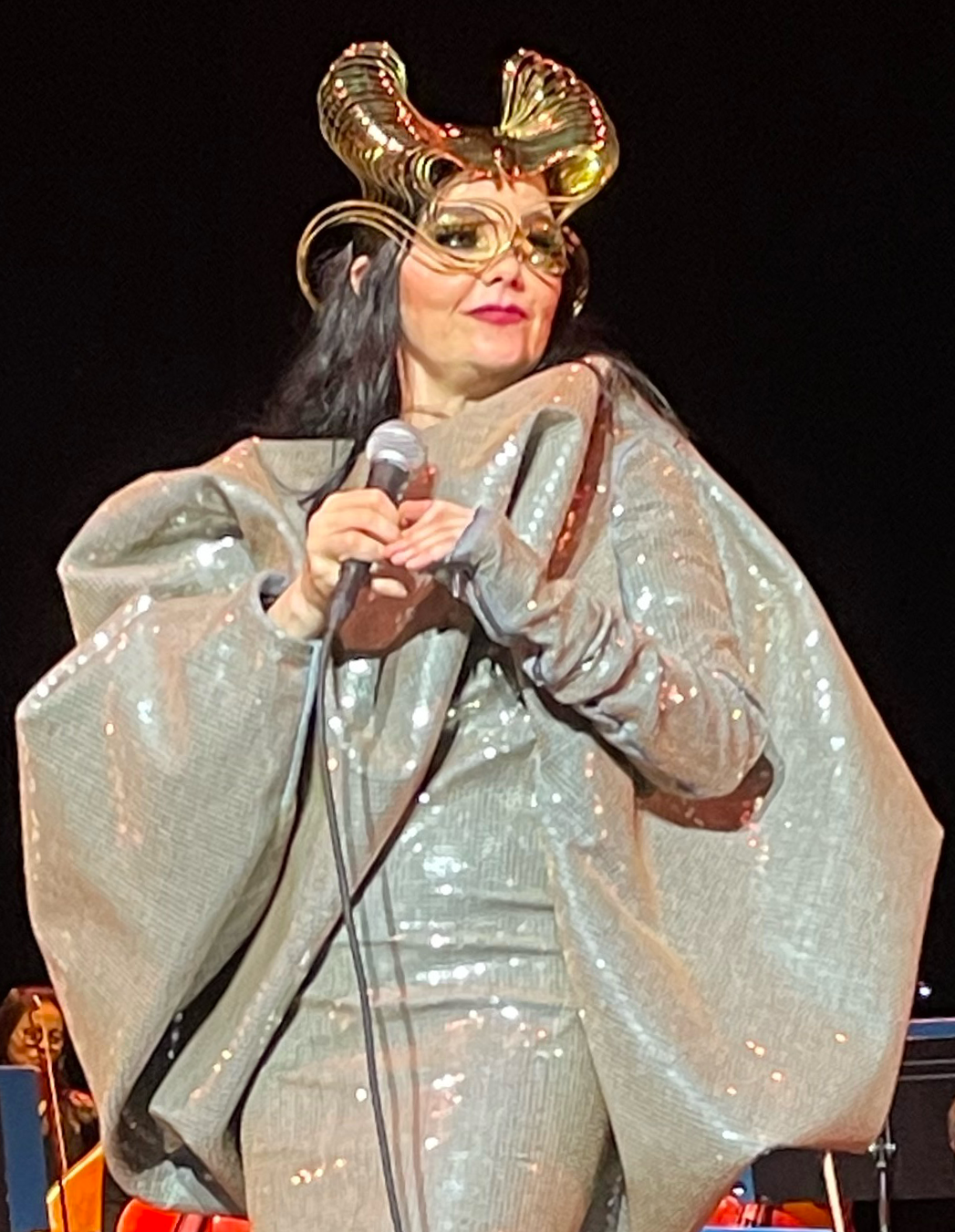
SZA has said her main outside musical influence growing up came from dancing to Björk's music with American Ballet Theatre — that avant-garde, unguarded vocal freedom surfaces in SZA's more atmospheric, texturally strange songs.
listen forPut on Björk's 'Hyperballad' next to SZA's 'Special' — notice how both let the voice float loose over a bed of glassy, oddly-placed production rather than locking into a conventional pop structure.