walking upstream…
Sean Paul

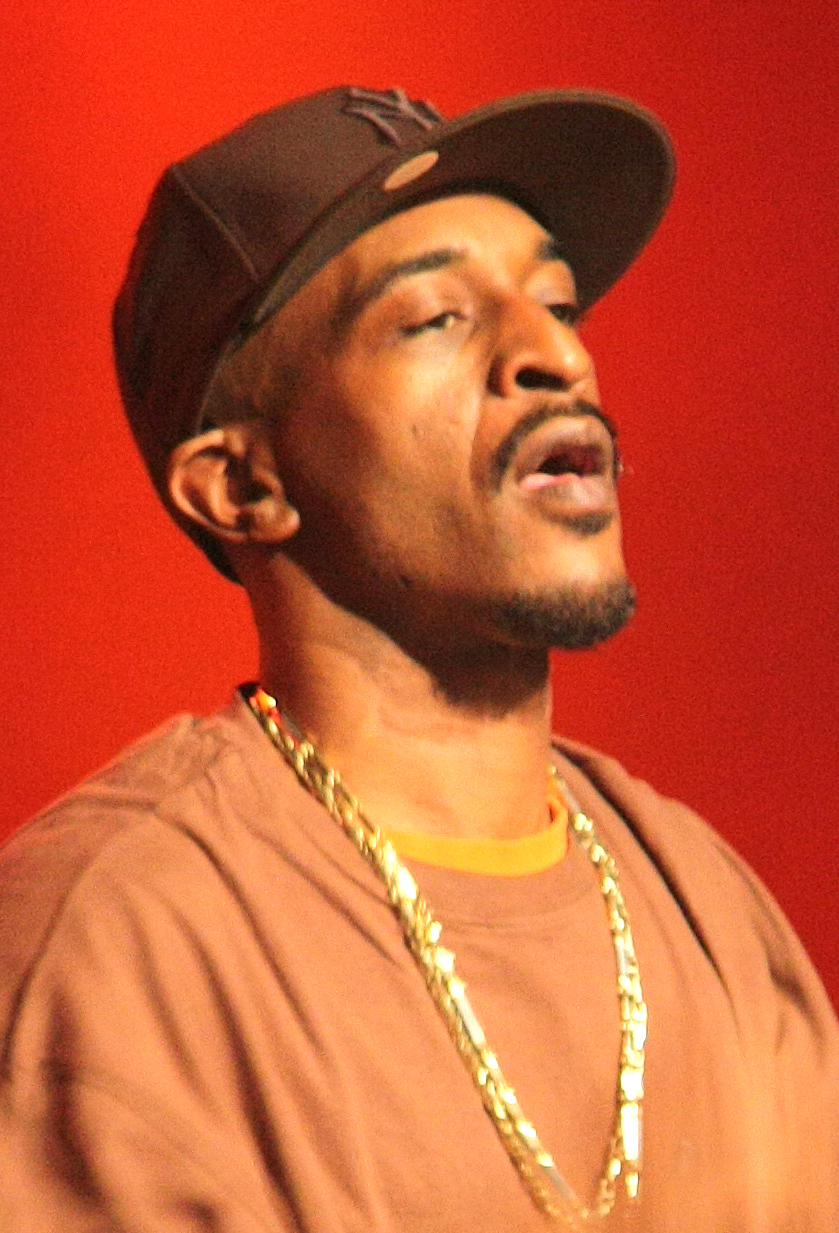

 photo: boss talk 101 · cc by 3.0 ↗
Sean Paul
Sean Paul Ryan Francis Henriques was born in Kingston in 1973 into a musical, multi-ethnic Jamaican family, and swam competitively for Jamaica's national water polo team before turning to music in the mid-1990s after linking up with producer Jeremy Harding. His debut 'Stage One' (2000) established him on the island, but it was 'Dutty Rock' (2002) and its chart-topping singles 'Get Busy' and 'Temperature' that made him the global face of dancehall's 2000s crossover into American and European pop radio. Across two decades of hits and features, he turned rapid-fire Jamaican patois toasting into a fixture of mainstream pop.
the sound in question
2005
TemperatureSean Paul
walk the tributaries ↓
Shabba Ranks1990s · Dancehall / Reggae
Sean Paul names Shabba Ranks among his core dancehall influences, and Shabba's model is all over his approach: the gruff, chesty deejay authority riding hard over a riddim, and the template of a Jamaican dancehall act breaking into the American mainstream in the early 1990s — the crossover path Sean Paul followed a decade later.
listen: upstream & here
1992
Ting-a-LingShabba Ranks
2002
Gimme the LightSean Paul
listen forThrow on Shabba's 'Ting-a-Ling' right before Sean Paul's 'Gimme the Light' and listen to the same growling, commanding toast lock tight patois couplets onto the downbeat, the voice sitting just behind the riddim with a swaggering rasp.
Rakim1980s–90s · Hip hop / East Coast hip hop / Jazz rap
Sean Paul cites Rakim as a hip-hop influence and has described hip-hop and dancehall as closely related, 'brother' genres. Rakim's smooth, rhythmically dense delivery — syllables packed tight against the beat with internal rhymes tumbling across the bar — feeds directly into Sean Paul's rapid, unhurried-sounding patois runs.
listen: upstream & here
1988
Microphone FiendRakim
2003
Get BusySean Paul
listen forPut Rakim's 'Microphone Fiend' next to Sean Paul's 'Get Busy' and hear how each crams tight, evenly clipped syllables into a relentless pocket, the rhymes rolling over the barline without ever seeming to rush the beat.
Bob Marley1970s · Reggae / Roots reggae / Ska
Sean Paul points to Bob Marley as someone 'we all look up to,' and frames reggae as 'the father of the music' from which dancehall descends. The debt is foundational rather than a specific borrowing: the buoyant offbeat skank and the sunny, arms-in-the-air singalong hook built to carry Jamaican music to a global pop audience — the crossover blueprint Sean Paul inherited.
listen: upstream & here
1980
Could You Be LovedBob Marley
2009
So FineSean Paul
listen forCue Marley's bright, danceable 'Could You Be Loved' against Sean Paul's 'So Fine' and hear both ride a bouncing offbeat guitar skank beneath an easy, wave-your-hands chorus pitched squarely at an international crowd.