walking upstream…
Scott Walker
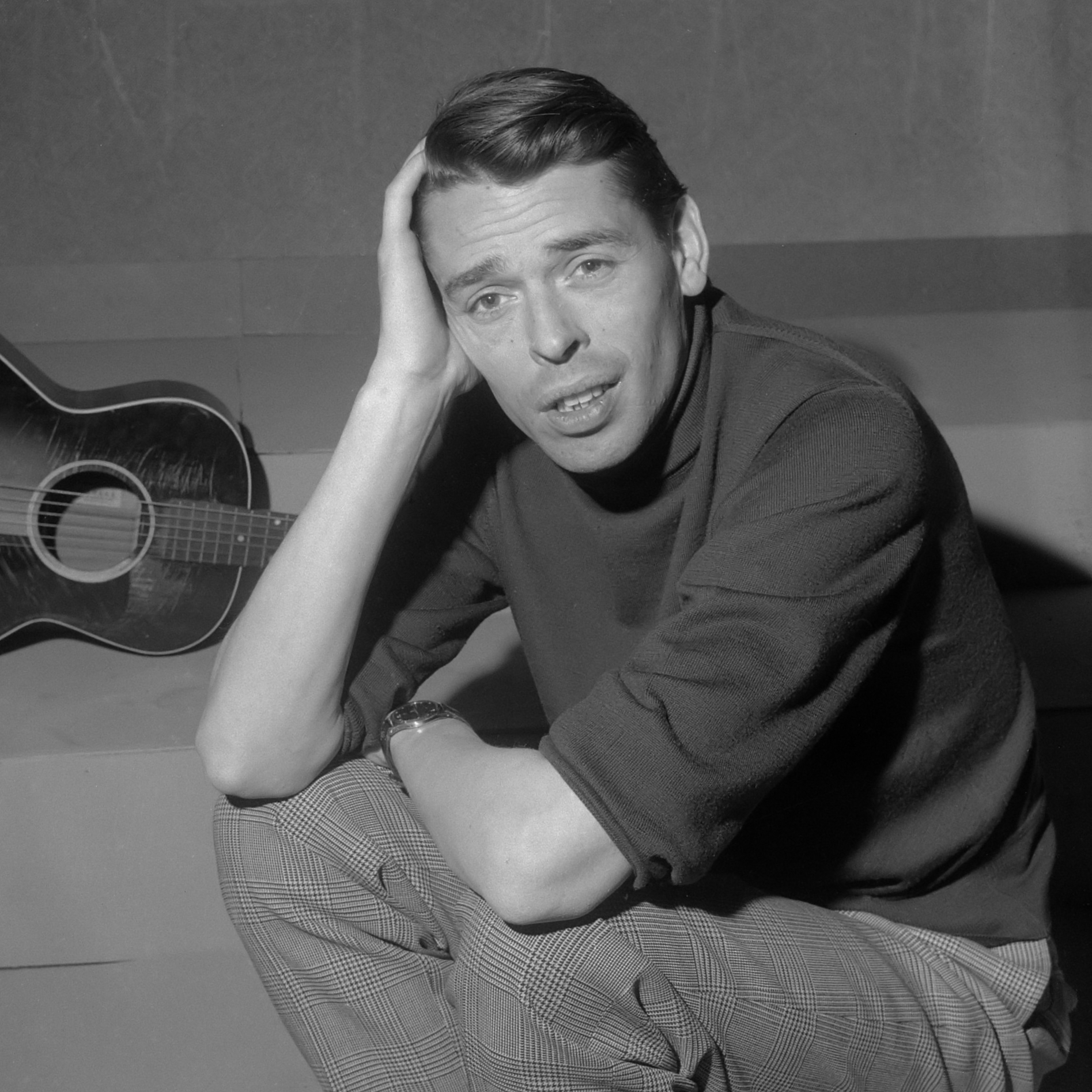

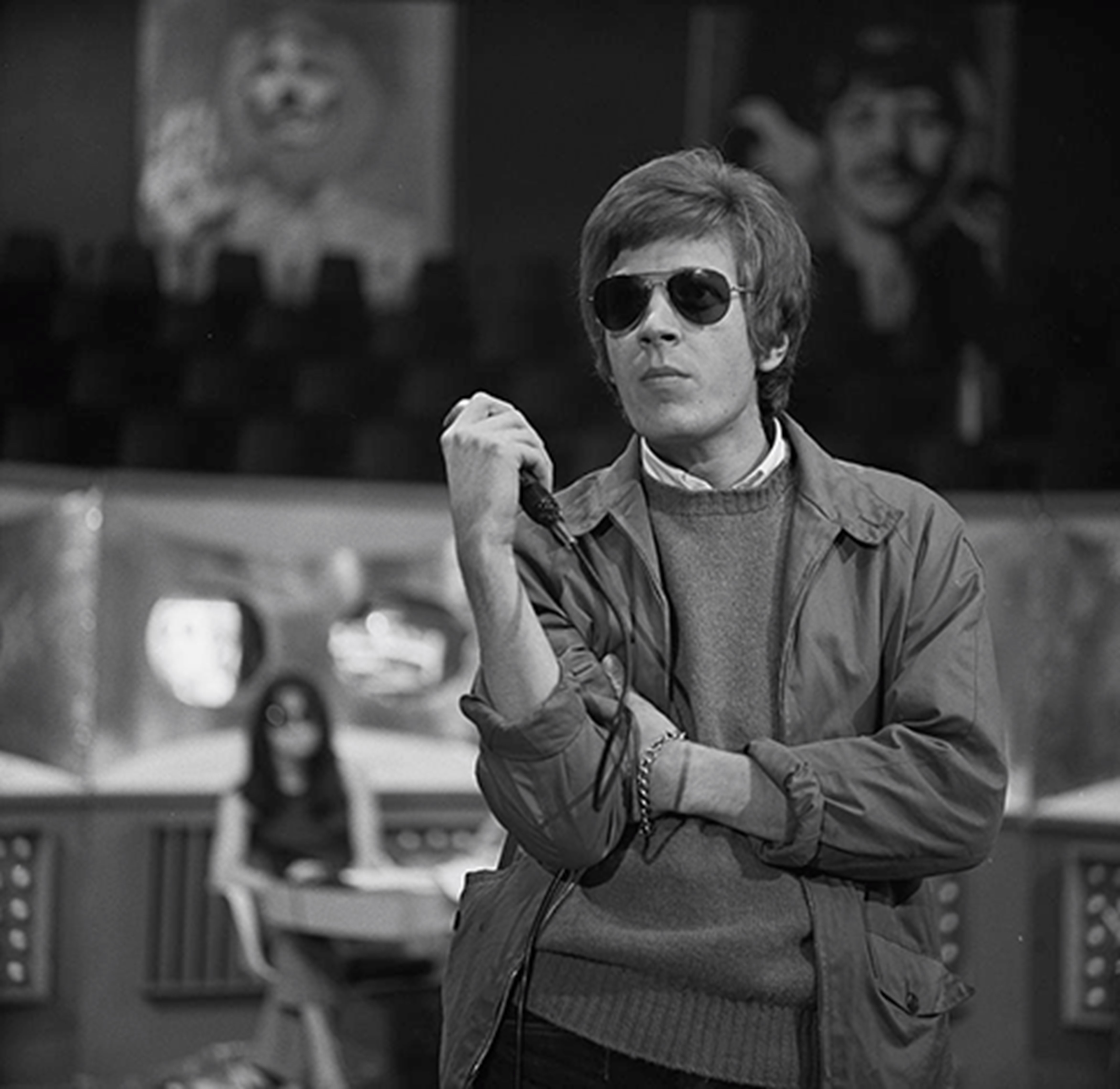 photo: unknown photographer · cc by-sa 3.0 nl ↗
Scott Walker
Noel Scott Engel, known as Scott Walker, was an American-British singer, songwriter, and producer who went from 1960s teen-pop stardom in the Walker Brothers to become one of popular music's most radically inventive avant-garde artists. After the trio's mid-60s hits, he built a baroque, orchestral solo songbook across Scott through Scott 4 (1967-69) steeped in Jacques Brel's chanson, then spent his later decades pushing into the abrasive, dissonant territory of Tilt (1995), The Drift (2006), and Bish Bosch (2012).
the sound in question
1967
Montague Terrace (In Blue)Scott Walker
walk the tributaries ↓
Jacques Brel1950s-60s · Chanson / Cabaret
Walker was 'strongly inspired by' Belgian singer-songwriter Jacques Brel and built his early solo career partly on English adaptations of Brel's songs, undermining his teen-idol image by, as one account puts it, 'raiding the songbook' of the Belgian chansonnier.
listen: upstream & heresource: The Conversation -- 'Scott Walker ↗
1965
La Chanson de JackyJacques Brel
1969
Big LouiseScott Walker
listen forThe dramatic, near-theatrical vocal delivery and orchestral surges Walker carried over from Brel's chanson tradition into his own original compositions.
Frank Sinatra1950s · Traditional pop / Vocal jazz
Walker's early management tried to mould him into 'a new Andy Williams or Frank Sinatra,' and critics have described his solo work as taking the same one-voice, orchestra-behind-him crooner form Sinatra and Tony Bennett popularized, redirected toward brooding and alienation rather than cocktail-hour romance.
listen: upstream & here
1958
Come Fly with MeFrank Sinatra
1967
When Joanna Loved MeScott Walker
listen forA smooth, room-filling baritone phrased over lush strings -- the crooner tradition, turned melancholy.
Léo Ferré1960s-70s · chanson
Alongside Brel, Walker's early original songs drew on the French chanson tradition via Léo Ferré, exploring European musical roots while expressing his own American experience; AllMusic's biography of Ferré credits his symphonic, literary songwriting with influencing later English-language singer-songwriters including Walker.
listen: upstream & heresource: AllMusic -- Léo Ferré biography (Ferré's influence on Scott Walker) ↗
1953
Paris CanailleLéo Ferré
1967
Such a Small LoveScott Walker
listen forLiterary, character-driven lyric writing and swelling orchestral builds shared with the French chanson tradition.