walking upstream…
Roy Ayers
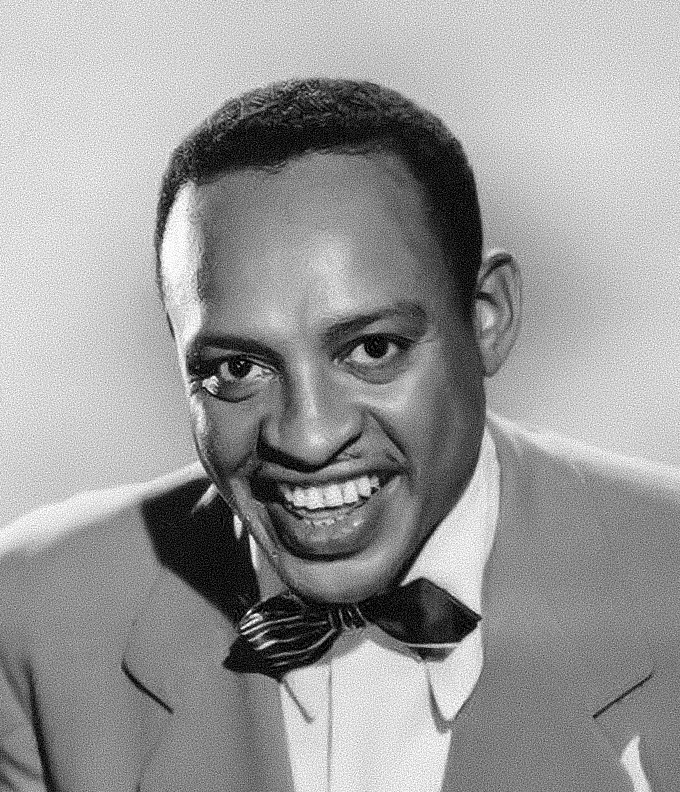


Roy Ayers was born September 10, 1940, in Los Angeles to a trombonist and a pianist, and grew up around the city's Central Avenue jazz scene. At five, he was in the crowd when Lionel Hampton played the Paramount Theater and pressed a set of vibraphone mallets into the boy's hands, an encounter Ayers later called the start of everything. He debuted as a bandleader with 1963's West Coast Vibes, then spent years as flutist Herbie Mann's road manager and sideman before forming Roy Ayers Ubiquity in 1970, fusing hard bop with funk, soul, and studio texture. The group's 1976 single "Everybody Loves the Sunshine" became his signature, its warm vibraphone hook sampled more than a hundred times, by Dr. Dre and Mary J. Blige among others. Ayers spent a five-decade career turning a swing-era showpiece instrument into a groove-music lead voice.
the sound in question
1976
Everybody Loves the SunshineRoy Ayers
walk the tributaries ↓
Lionel Hampton1940s · Swing / Big band / Jazz
Hampton didn't just influence the boy from the stage, he handed him the instrument. "My family was a very, very heavy influence on my life because my mother and father took me to see Lionel Hampton when I was five years old, and he gave me a set of vibraphone mallets," Ayers told Bonafide Magazine, "that was my most inspirational person I met, he inspired me to go and play vibes." Hampton had spent the swing era turning the vibraphone from a novelty into a bandleading lead instrument; Ayers inherited that showman's instinct and, decades later, pointed it at funk instead of big-band swing.
listen: upstream & here
1942
Flying HomeLionel Hampton
1972
We Live in Brooklyn, BabyRoy Ayers
listen forPlay Hampton's 1942 "Flying Home" against Ayers' "We Live in Brooklyn, Baby" three decades on, and the family resemblance is in how each treats the vibraphone as a lead voice, not a color. Hampton drives the band with ringing, insistent mallet runs that never let the rhythm section settle; Ayers, on the same instrument Hampton once put into a five-year-old's hands, keeps that bright, propulsive attack, just slowed from a big-band chart into a funk groove.
Cal Tjader1960s · Latin jazz / Jazz
Where Jackson was a name on a record, Cal Tjader was a musician Ayers actually stood beside on a bandstand. "He goes down in my list of great world artists," Ayers told Record Collector of the Bay Area vibraphonist who'd built a career fusing Latin rhythms into cool jazz, "I sat in with him two or three times... it was an actual ball." Years later, when his own band Ubiquity chased a dance-floor groove without abandoning jazz's harmonic reach, it was Tjader's blueprint Ayers was extending.
listen: upstream & heresource: PopMatters — "Ubiquity Still Virgin After All These Years" (Cal Tjader influence, Herbie Mann years) ↗
1965
Soul Sauce (Guachi Guaro)Cal Tjader
1976
SearchingRoy Ayers
listen forCue Tjader's 1965 "Soul Sauce (Guachi Guaro)" next to Ayers' 1976 "Searching" and the vibraphone does the same job in both: a bright, percussive lead riding hand percussion over a deep pocket built for moving bodies, not sitting still. Tjader proved jazz vibes could fill a dance floor without losing harmonic sophistication; Ayers carried that same instrument into disco-era funk without changing its basic assignment in the mix.
Milt Jackson1950s · Bebop / Hard bop / Jazz
Ayers names Milt Jackson, nicknamed "Bags," as one of the two players who set his ear before he'd ever played a professional gig. "Milt Jackson and Cal Tjader were my first influences," he told Record Collector in 2020, adding that unlike Tjader, "I didn't sit in with Bags, who was with The Modern Jazz Quartet." Jackson's influence arrived entirely through records: the cool, unhurried phrasing of the Modern Jazz Quartet's house vibraphonist set a bar Ayers absorbed from a distance, never from a shared bandstand.
listen: upstream & heresource: Record Collector — "Roy Ayers" (Milt Jackson and Cal Tjader as first influences) ↗
1952
Bags' GrooveMilt Jackson
1977
Running AwayRoy Ayers
listen forSet Jackson's 1952 "Bags' Groove" beside Ayers' 1977 "Running Away" and listen for a shared unwillingness to rush. Both let the vibraphone lag just behind the beat, mallets ringing out after the rhythm section has already moved on, favoring a spacious, blues-soaked tone over flourish. It's Jackson's patience, the restraint that made the Modern Jazz Quartet's sound so cool, poured into a slower-cooking, funkier groove two decades later.