walking upstream…
Papa Wemba


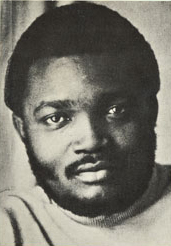
 photo: radio okapi · cc by 2.0 ↗
Papa Wemba
sourcesHommes & Migrations n°1187 (1995) — Bensignor interview with Papa Wemba (mother's influence, "le seigneur Tabu Ley") · Agence Congolaise de Presse — "Lèvres roses · Real World Records — "Emotion · Unofficial Viva La Musica biography (Wayback, 2008) — Franco/VISA 1980 financing of "Matebu" and "Santa" · Radio Okapi — "Papa Wemba · Libération — "Les fausses notes de Papa Wemba" (2003 arrest) · BBC News — "Papa Wemba
Jules Shungu Wembadio Pene Kikumba was born in 1949 in Belgian Congo's Kasaï region and grew up watching his mother, a professional mourner, sing at wakes — the first lesson, he later said, in moving from minor into major. His father, a former Belgian-army soldier, forbade a music career; when he died in 1966, Wemba took the stage name "Jules Presley" and threw himself into Kinshasa's youth-band scene. In 1969 he co-founded Zaïko Langa Langa, the band that traded rumba's horns for drums and speed, then broke away in 1977 to lead his own Viva la Musica, becoming the flamboyant figurehead of La Sape street fashion along the way. He remains the rare singer to have recorded with both of Zaire's rival bandleading giants, and his 1995 Real World album Emotion carried him to Europe before he collapsed on stage in Abidjan in 2016.
the sound in question
1992
Maria ValenciaPapa Wemba
walk the tributaries ↓
Tabu Ley Rochereau1960s-80s · Congolese rumba / Soukous
In 1979 Wemba joined Tabu Ley Rochereau's Orchestre Afrisa International — an admirer, per one Congolese cultural commentator, who "rejoint l'Afrisa International pour parfaire son apprentissage" (joined to perfect his apprenticeship). Years later, alone onstage at the Africolor festival with no set list prepared, Wemba found the songs choosing themselves: "une de mes chansons, une du seigneur Tabu Ley et une de ma mère" — one of his own, one by "lord Tabu Ley," one belonging to his mother. The honorific wasn't showmanship; it marked exactly where he placed himself in the lineage.
listen: upstream & here
1966
Mokolo NakokufaTabu Ley Rochereau
1979
Lèvres rosesPapa Wemba
listen forPlay "Mokolo Nakokufa" first for Tabu Ley's signature: an ornamented, high tenor riding above the guitars. Then drop into "Lèvres roses," the 1979 duet where Wemba — normally reaching for the high notes himself — takes a "registre posé" instead, a Congolese commentator wrote, "laissant au maître Tabu Ley l'espace pour placer sa voix légèrement plus haut" (leaving master Tabu Ley room to place his voice slightly higher). The deference is the lesson: a student proving he'd learned restraint, not just range.
Otis Redding1960s · Soul / R&B
Otis Redding was, per Wemba's biographers at RFI, "idole de Papa Wemba depuis toujours" — Papa Wemba's idol, always. That devotion surfaced literally in 1995: recording Emotion at Peter Gabriel's Bath studio, Wemba cut a duet cover of Redding's "Fa-Fa-Fa-Fa-Fa (Sad Song)" with British soul singer Juliet Roberts, described by Wemba's own former label as a cover of "the Otis Redding classic." A Congolese rumba star, three decades on, still reaching back for a Stax b-side from his youth.
listen: upstream & heresource: RFI Musique — "Papa Wemba" (biography ↗
1966
Fa-Fa-Fa-Fa-Fa (Sad Song)Otis Redding
1995
Fa Fa Fa Fa Fa (Sad Song)Papa Wemba
listen forRedding's 1966 original rides Stax horn stabs under his gravel-edged, pleading holler on the title's stammered "fa-fa-fa" hook. Wemba and Roberts's 1995 version keeps that same stop-start vocal hook note for note, but glazes it in producer Stephen Hague's synth-pop sheen — the plea intact, the grit sanded down into something built for European radio. Same phrasing tic, a completely different room.
Franco Luambo1950s-80s · Congolese rumba / Soukous
When Wemba took a solo session to Paris in 1982, it was Franco Luambo — leader of rival orchestra OK Jazz, from the older generation Wemba's own band had once rebelled against — who financed and released it, on his VISA 1980 label. One retrospective account calls this "an unheard of feat," since Franco and Tabu Ley "were deadly rivals who rarely helped promote an artist with whom either had previously worked." Decades later, RFI's biography notes Wemba was still drawing on Franco as one of the "anciens" behind 2010's Notre Père Rumba.
listen: upstream & here
1966
Course au pouvoirFranco Luambo
1982
MatebuPapa Wemba
listen for"Course au pouvoir" shows Franco's OK Jazz at its most patient: guitars locking into a rolling, interlocking groove under a call-and-response horn-and-vocal chorus. "Matebu," the session Franco's own money bought Wemba in Paris, keeps that same unhurried guitar-orchestra weave — just filtered through session players an ocean from Kinshasa. The label financing it, more than the sound of it, is the loudest testimony to the debt.