walking upstream…
Neeti Mohan
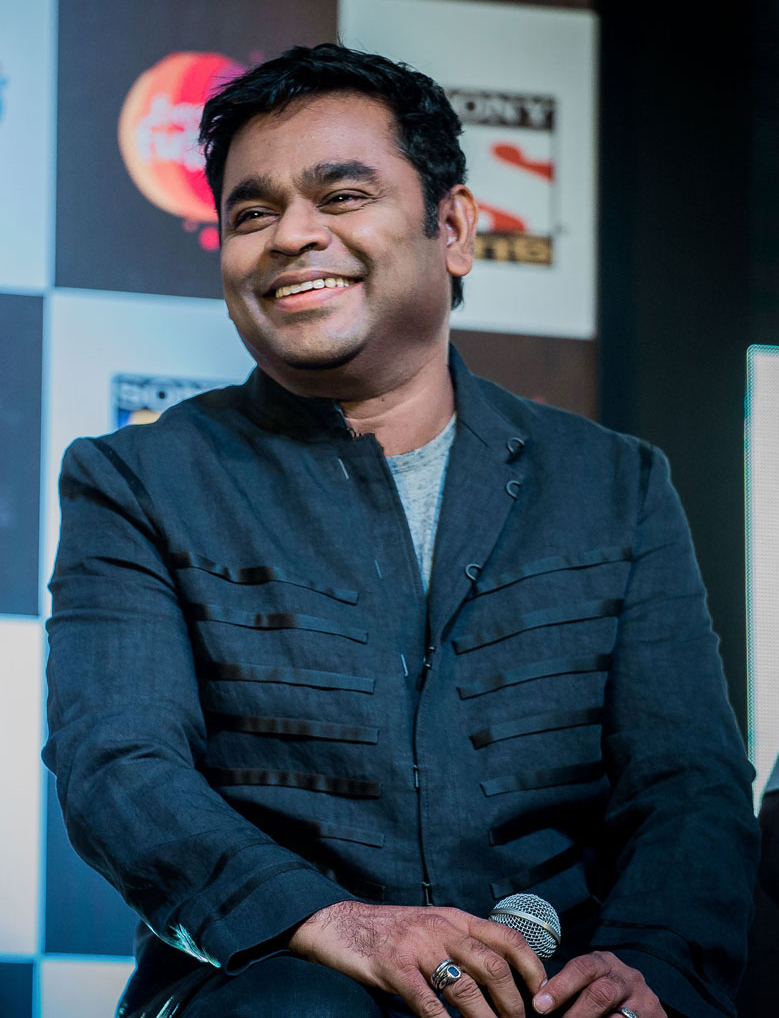


 photo: bollywood hungama · cc by 3.0 ↗
Neeti Mohan
sourcesWikipedia — Neeti Mohan (biography, training at Gandharva Mahavidyalaya and under Rajashree Pathak, career timeline) · The Tribune — Neeti Mohan on her inspiration and musical journey ("first inspiration would be Lata ji"; "AR Rahman sir also inspires me") · Wikipedia — List of songs recorded by Neeti Mohan (song/film/composer credits used to verify representative and echo tracks)
Neeti Mohan is an Indian playback singer from Delhi who trained for a decade in Hindustani classical music at Gandharva Mahavidyalaya before five further years of study under Rajashree Pathak in Mumbai, and who first reached a national audience as a member of the pop group Aasma, formed in 2003 after she won Channel V's reality show Popstars. Her solo playback career broke through in 2012 with back-to-back hits "Ishq Wala Love" (Student of the Year) and A. R. Rahman's "Jiya Re" (Jab Tak Hai Jaan) — the pair won her the Filmfare R.D. Burman Award for New Music Talent and a Best Female Playback Singer nomination — and she has since recorded across eight-plus Indian languages and coached on The Voice India.
the sound in question
2012
Ishq Wala Love (from "Student of the Year")Neeti Mohan
walk the tributaries ↓
A.R. Rahman1990s–2000s · Film score / Indian classical fusion / Sufi
Rahman is both lifelong idol and direct employer: Mohan says she has "always been such a fan" of his music "since my childhood," calls him a "task master" who "gets the best out of you," and notes she has been "touring with Rahman sir for over seven years" and has "learnt a lot" from his standards for both recording and live performance. He also gave her her signature breakout, composing "Jiya Re" for her after, by her account, noticing "a lot of spirit" in the shows she'd already done with his touring band.
listen: upstream & heresource: Rahmaniac — "Always a fan" ↗
2008
Jai Ho (from "Slumdog Millionaire")A.R. Rahman
2012
Jiya Re (from "Jab Tak Hai Jaan")Neeti Mohan
listen for"Jiya Re" is the plainest evidence — a spare Rahman production built from breath, hand-claps and negative space that leaves a singer nowhere to hide — and Mohan meets it with the disciplined, controlled-power delivery she credits his standards for demanding of her; compare it with Rahman's own "Jai Ho," which asks for that same precision under a deceptively loose, folk-inflected groove.
Lata Mangeshkar1950s–70s · Filmi / Playback singing / Hindustani classical
Mohan calls Lata Mangeshkar her "first inspiration" and "greatest teacher for playback," saying she has "been listening to her since childhood and I still listen to her" and rates her unmatched "in terms of technicalities and skills." She has also described loving to learn Mangeshkar's semi-classical songs as a child — an early discipline she credits with making her serious and respectful toward music before she ever entered a studio.
listen: upstream & heresource: Seema.com — Neeti Mohan's musical journey (childhood influences Lata Mangeshkar/Asha Bhosle/Kishore Kumar; John Mayer as international influence) ↗
1964
Lag Jaa Gale Se PhirLata Mangeshkar
2018
Nainowale Ne (from "Padmaavat")Neeti Mohan
listen forOn "Nainowale Ne," listen for the same unhurried, legato movement between notes and the clean, controlled top register Mohan names Mangeshkar for — a folk-classical wedding song built on exactly the kind of octave control her Hindustani training (and years of studying Mangeshkar's records) drilled into her.
John Mayer2000s–10s · Blues rock / Pop rock / Singer-songwriter
Outside the Indian classical and playback canon she cites elsewhere, Mohan has named John Mayer among her favorite artists, pointed to specifically for his lyric-writing. Sourcing on the specifics is thinner than for her Indian influences — mostly artist-profile round-ups rather than a single extended interview — so this is charted at lower confidence than her Mangeshkar or Rahman connections.
listen: upstream & heresource: Seema.com — Neeti Mohan's musical journey (childhood influences Lata Mangeshkar/Asha Bhosle/Kishore Kumar; John Mayer as international influence) ↗
2003
DaughtersJohn Mayer
2016
Sau Aasmaan (from "Baar Baar Dekho")Neeti Mohan
listen forOn the soft pop ballad "Sau Aasmaan," listen for the plainspoken, conversational phrasing and the unshowy dynamic build — a quieter, singer-songwriter register that sits closer to Mayer's confessional balladry (compare "Daughters") than to the ornamented classical-playback style she draws from Lata Mangeshkar.