walking upstream…
Marc Anthony

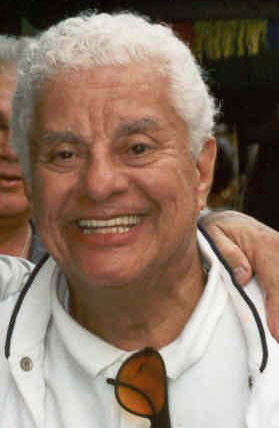

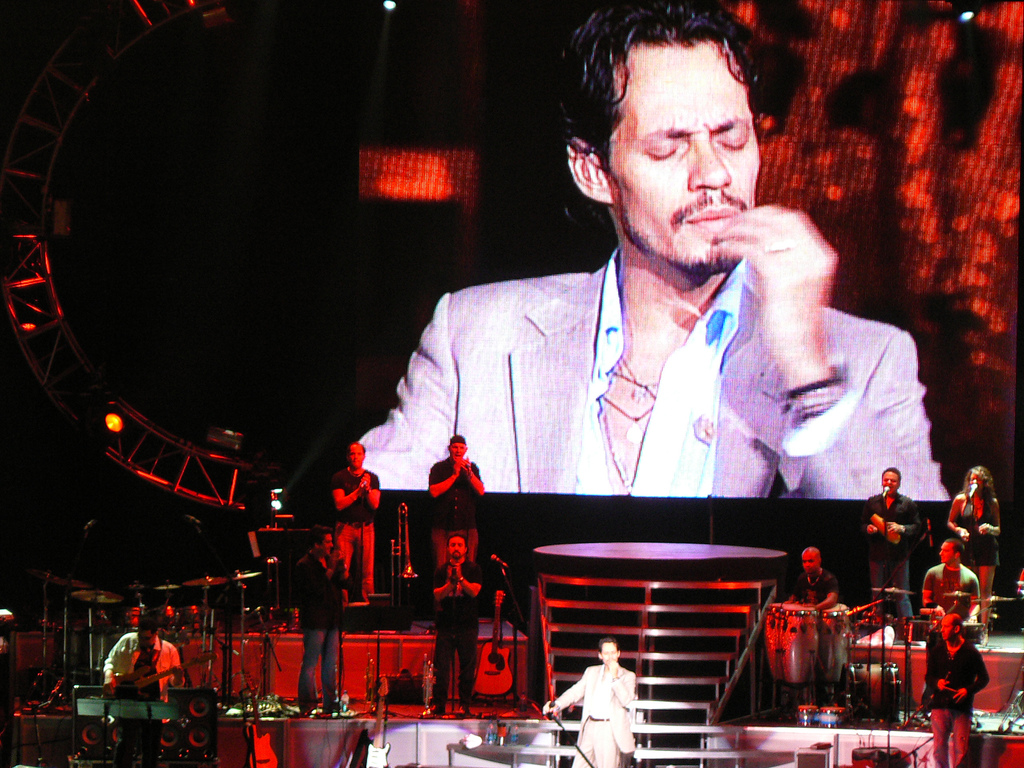 photo: miggell1 · cc by 2.0 ↗
Marc Anthony
Born Marco Antonio Muñiz in East Harlem to Puerto Rican parents, Marc Anthony grew up with a professional-guitarist father and cut his teeth as a freestyle and house-music session vocalist before pivoting to salsa in the early 1990s. His 1993 Spanish-language debut Otra Nota reintroduced big-band salsa to a new generation, and across three decades he became the best-selling tropical salsa artist in history while repeatedly crossing into English-language pop.
the sound in question
2013
Vivir Mi VidaMarc Anthony
walk the tributaries ↓
Héctor Lavoe1970s · Salsa
Anthony grew up on Héctor Lavoe's records and would go on to portray him in the 2006 biopic El Cantante; Lavoe's conversational, slightly behind-the-beat phrasing and knack for wringing raw emotion out of a salsa lyric is Anthony's clearest vocal blueprint.
listen: upstream & here
1978
El CantanteHéctor Lavoe
2004
Valió la PenaMarc Anthony
listen forLavoe's phrasing on 'El Cantante' — unhurried, almost speaking the lyric before the melody catches up — reappears in Anthony's delivery on 'Valió la Pena,' where he holds back the same way before letting the note bloom.
Tito Puente1950s · Latin jazz / Mambo / Cha-cha-chá
Anthony has said Tito Puente "wielded a profound personal and professional influence" on him throughout his career and gave him advice on how to build a lasting one; Puente's big-band mambo arrangements and driving percussion breaks shaped the horn-and-timbale muscle behind Anthony's uptempo salsa.
listen: upstream & here
1963
Oye Como VaTito Puente
2004
AguanileMarc Anthony
listen forThe propulsive timbale-and-horn interplay powering Puente's 'Oye Como Va' is the same architecture underneath Anthony's percussion breakdown on 'Aguanile' — both let the rhythm section take over the arrangement rather than stay in the background.
Rubén Blades1970s–1980s · Salsa / Nueva canción / Latin jazz
Anthony has cited Rubén Blades — alongside Puente, Lavoe, and Juan Gabriel — among the artists whose salsa first pulled him toward the genre; Blades' model of salsa as a vehicle for storytelling and social commentary, not just dance music, opened space for Anthony's own more reflective, patriotic material.
listen: upstream & here
1978
Pedro NavajaRubén Blades
2006
PreciosaMarc Anthony
listen forThe narrative, literary bent of Blades' 'Pedro Navaja' finds a quieter cousin in Anthony's 'Preciosa,' a devotional salsa ballad about Puerto Rico that trades street-corner storytelling for open patriotism, but shares the same conviction that a salsa lyric can carry real weight.