walking upstream…
Julieta Venegas

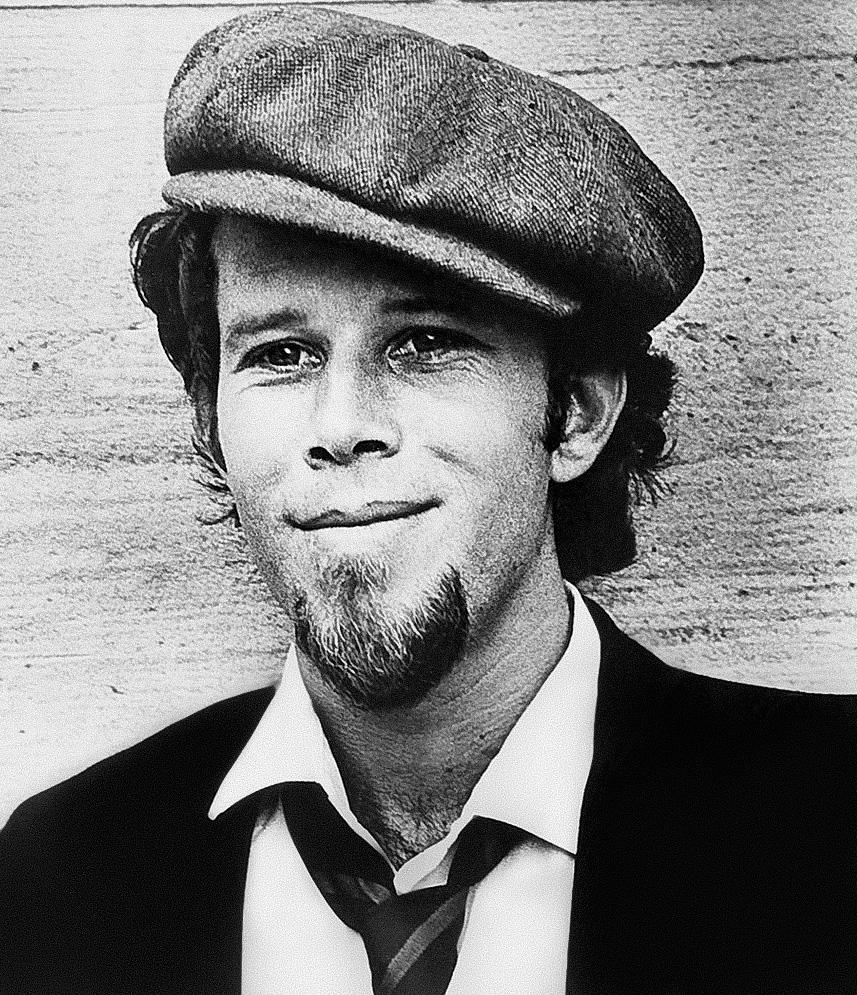

 photo: culturacdmx · cc by-sa 2.0 ↗
Julieta Venegas
Julieta Venegas grew up in Tijuana studying piano and cello before cutting her teeth in the ska band Tijuana No!, then reinvented herself in Mexico City as a solo singer-songwriter built around her accordion and a disarmingly plainspoken, diary-like voice. Produced early on by Gustavo Santaolalla, she became one of the defining figures of 2000s Latin pop with Sí (2003) and the Grammy-winning Limón y Sal (2006), whose single "Me Voy" made her an international crossover star. Her songwriting has stayed rooted in unpretentious heartbreak and the bicultural duality of the U.S.-Mexico border she was raised on.
the sound in question
2006
Limón y SalJulieta Venegas
walk the tributaries ↓
Gustavo Santaolalla1990s · Andean rock / Latin rock / progressive folk / film score
Santaolalla discovered Venegas in Mexico City and produced her first two albums, Aquí (1997) and Bueninvento (2000), shaping the spare, atmospheric arrangements and unhurried pacing that defined her early solo sound.
listen: upstream & here
1998
De Ushuaia a la QuiacaGustavo Santaolalla
2000
Casa AbandonadaJulieta Venegas
listen forListen for the negative space: hushed verses built from just accordion, piano, or acoustic guitar, with reverb-laden atmosphere standing in for a full band — a textural production fingerprint Santaolalla brought over from his own folk records.
Tom Waits1980s–2000s · experimental rock / blues / jazz / singer-songwriter
Venegas has said she never felt the accordion belonged strictly to northern Mexico, because she'd already heard Tom Waits use it theatrically, almost as a stage prop — a use of the instrument that freed her to treat it as a tool for dramatic contrast rather than folkloric signifier.
listen: upstream & heresource: Valencia Plaza interview — Venegas on the accordion, Tom Waits, and northern Mexico ↗
1985
Tango Till They're SoreTom Waits
2006
Me VoyJulieta Venegas
listen forListen for the accordion doing lopsided, carnival-lurch, almost vaudevillian work under a plainly sung melody, rather than sitting politely in the background as regional color.
Silvio Rodríguez1970s · Nueva trova / Singer-songwriter / Trova
Venegas has named Silvio Rodríguez among the songwriters she gravitated to as a teenager, drawn to the plainspoken, image-driven lyricism of Cuban nueva trova rather than any political stance attached to it.
listen: upstream & here
1977
OjaláSilvio Rodríguez
2003
Andar ConmigoJulieta Venegas
listen forListen for how little either singer hides behind: just a single guitar or accordion figure carrying the whole emotional weight of a lyric, delivered in a direct, conversational voice aimed at one specific person rather than a crowd.