walking upstream…
John Denver
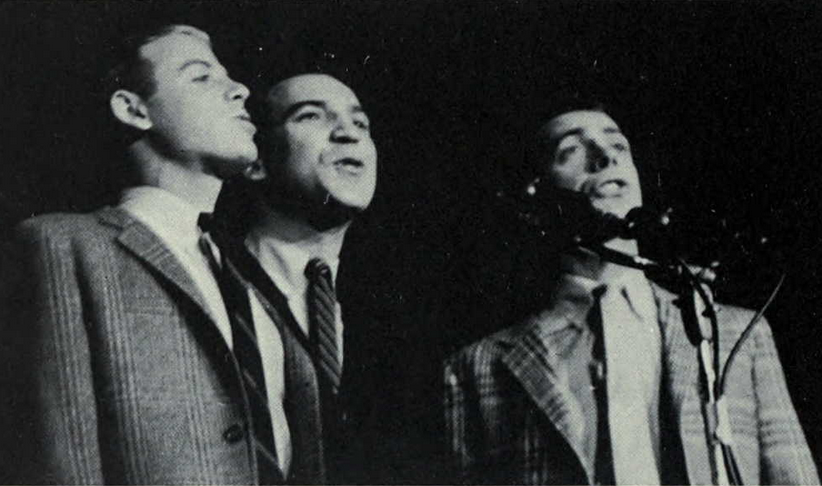


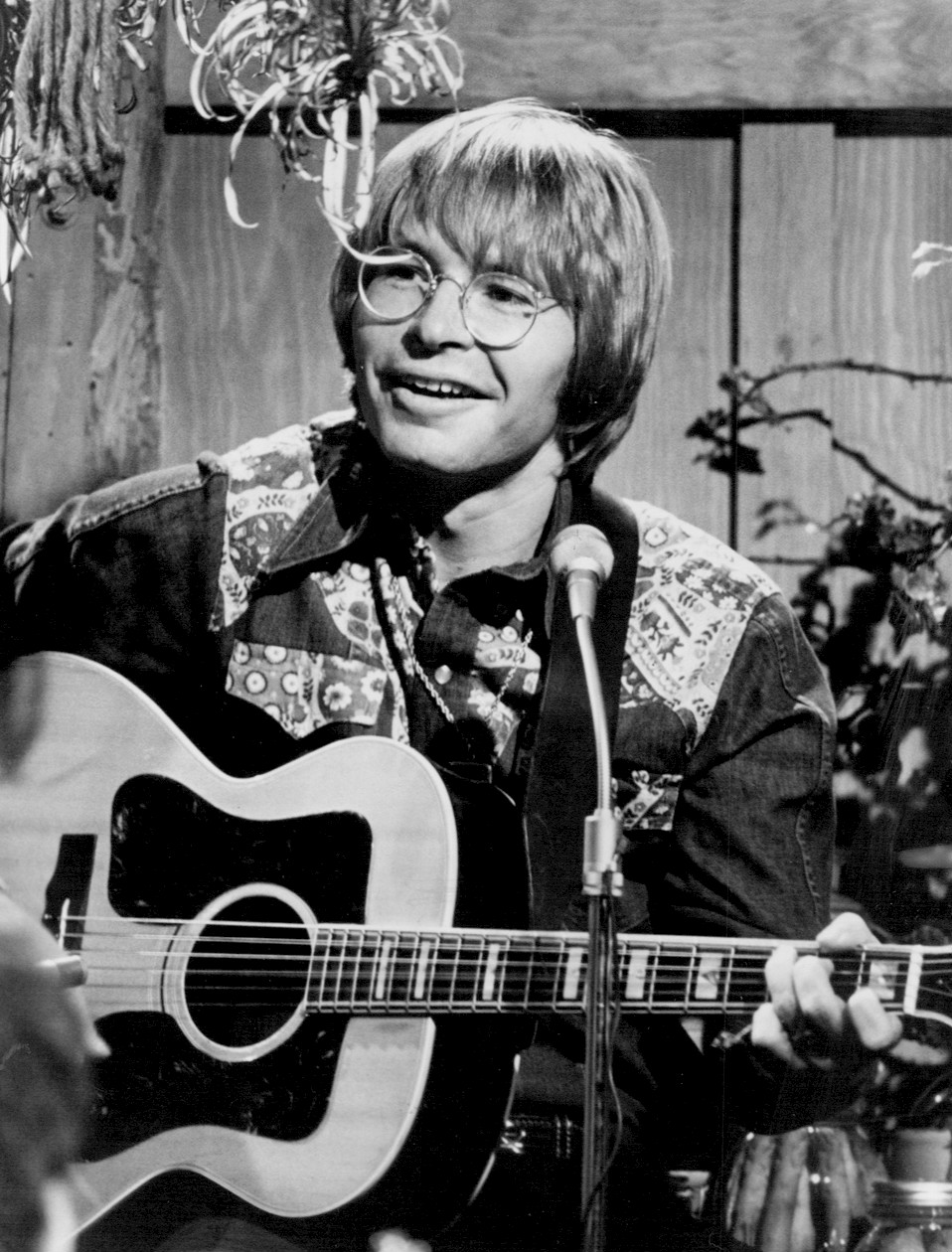 photo: abc television · public domain ↗
John Denver
sourcesWikipedia · Country Music UK
Born Henry John Deutschendorf Jr. in Roswell, New Mexico, John Denver spent a peripatetic Air Force childhood before an old Gibson guitar from his grandmother pointed him toward Aspen coffeehouses and, in 1965, the vacant chair in the fading Chad Mitchell Trio. He absorbed that group's plainspoken storytelling and disciplined three-part harmony, then stripped it down to solo acoustic guitar and an unguarded, high tenor built to fill both arenas and campfires. 'Take Me Home, Country Roads' (1971) made him a define-the-decade star, and 'Rocky Mountain High,' 'Sunshine on My Shoulders,' and 'Annie's Song' followed the same formula of unabashed sincerity and Rocky Mountain wonder. He devoted his later years to environmental and humanitarian causes before dying in a small-plane crash in 1997.
the sound in question
1971
Take Me Home, Country RoadsJohn Denver
walk the tributaries ↓
The Chad Mitchell Trio1960s · Folk / Folk revival / Satirical folk
Denver joined the Trio in 1965, replacing founder Chad Mitchell, and spent four years learning the group's format up close: plainspoken narrative songs, sharp comic timing, and three-part harmony built to fill a hall without amplification tricks. He wrote 'For Baby (For Bobbi)' and 'Leaving on a Jet Plane' for the Trio before their 1969 breakup pushed him into a solo career, carrying its storytelling instinct with him.
listen: upstream & heresource: Wikipedia ↗
1962
Lizzie BordenThe Chad Mitchell Trio
1974
MatthewJohn Denver
listen forCompare the Trio's deadpan, character-driven 'Lizzie Borden' with Denver's own 'Matthew' — both let a plain, unhurried vocal carry a complete story from first line to last, trusting the narrative rather than a hook to hold the listener.
The Kingston Trio1950s–60s · Folk / Folk-pop / Calypso
The Kingston Trio's clean-cut, commercially accessible sound was the template the whole collegiate folk boom worked from, including the Chad Mitchell Trio that gave Denver his start; he grew up on their records, absorbing a model of folk music as unthreatening, guitar-driven entertainment built for the pop charts rather than protest.
listen: upstream & here
1958
Tom DooleyThe Kingston Trio
1969
Leaving on a Jet PlaneJohn Denver
listen forSet 'Tom Dooley' against Denver's own 'Leaving on a Jet Plane' — both ride a simply strummed acoustic guitar and a warm, close-miked lead vocal built to sound immediate on Top 40 radio rather than a coffeehouse stage.
Pete Seeger1950s · Folk
Denver named Seeger among the folk figures he admired growing up, and Seeger's model of the solo performer as a moral voice — leading a full room in song and writing plainly about causes he believed in — shaped both Denver's participatory concert style and the environmental and humanitarian advocacy he took up later in his career.
listen: upstream & here
If I Had a Hammer (Hammer Song)Pete Seeger
1972
Rocky Mountain HighJohn Denver
listen forHear how Seeger's 'If I Had a Hammer' turns a simple, repeated refrain into something the whole room can join, then listen for the same communal, everybody-sing lift in Denver's 'Rocky Mountain High.'