walking upstream…
Javed Ali
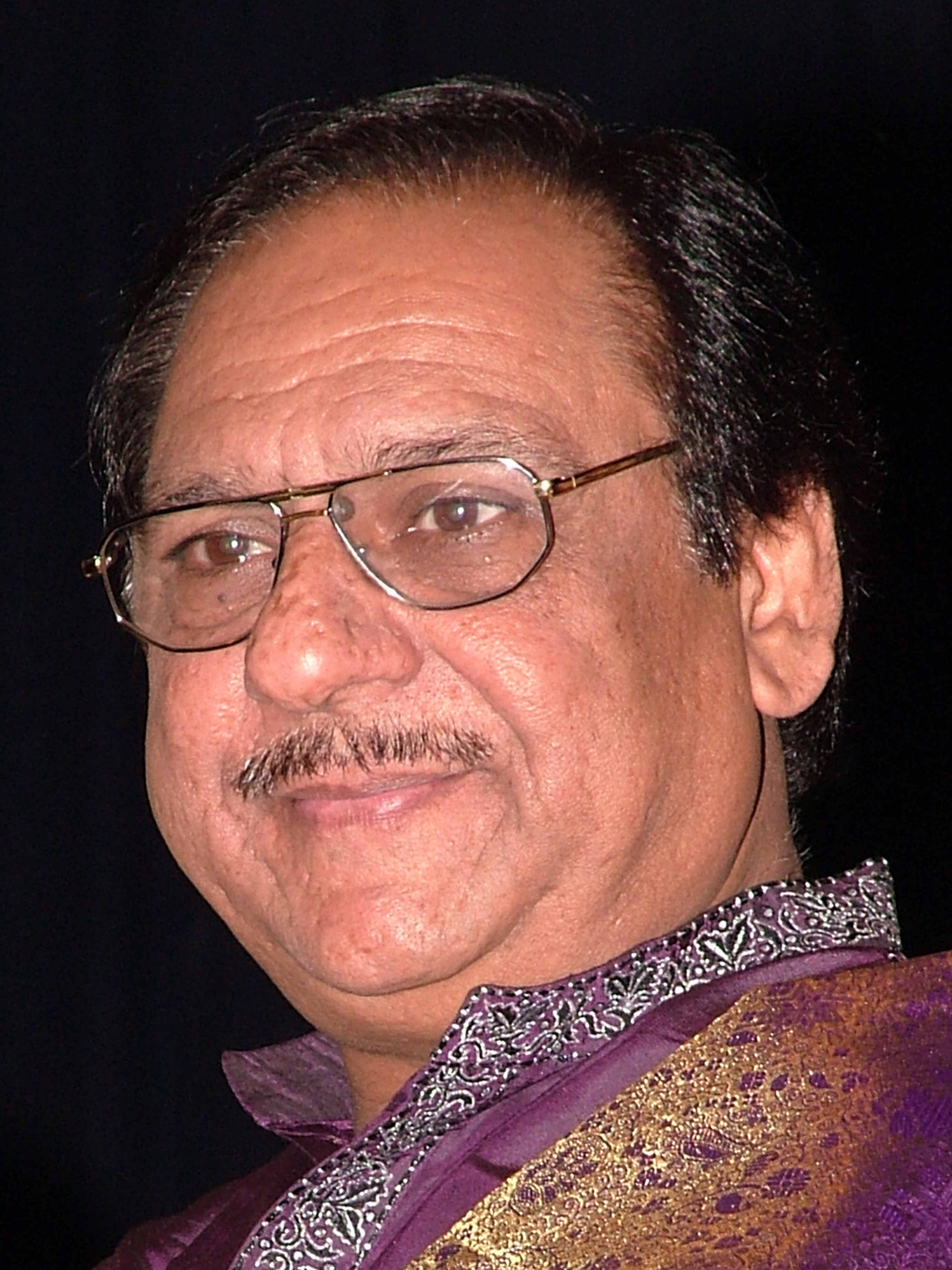


Javed Ali is an Indian playback singer raised in Old Delhi's Panchkuian Road neighborhood, where his father, the qawwali singer Ustad Hamid Hussain, put him through daily riyaz before school. He broke into Bollywood in 2007 and became a household name the next year with the aching, classically rooted 'Jashn-E-Bahaaraa,' going on to become one of Hindi cinema's most versatile voices — as convincing leading a full-throated Sufi qawwali as carrying a hushed romantic ballad — while also judging TV singing competitions and touring internationally with A.R. Rahman.
the sound in question
2008
Jashn-E-BahaaraaJaved Ali
walk the tributaries ↓
Ghulam Ali1970s–80s · Ghazal / Hindustani classical / Playback singing
Ali took his professional name from ghazal legend Ghulam Ali, who heard him sing as a child, mentored him, and gave him a place on his own concert stage — the debt shows in Javed's ability to hold a soft, unhurried melodic line without ever pushing for volume.
listen: upstream & heresource: Javed Ali — Wikipedia (biography, Ghulam Ali mentorship, discography) ↗
1982
Chupke Chupke Raat DinGhulam Ali
2013
Tum TakJaved Ali
listen forListen to how 'Tum Tak' stays intimate even as the strings swell underneath — that restraint, letting a single sustained note carry the emotion rather than belting it, is straight out of the ghazal tradition Ghulam Ali embodies.
Nusrat Fateh Ali Khan1980s–90s · Qawwali / Sufi devotional music / World music
In interviews Ali has named Nusrat Fateh Ali Khan among the singers he loves listening to, and it's the qawwali giant's call-and-response fervor and rhythmic build that Javed channels whenever a film score reaches for full-throated Sufi devotion.
listen: upstream & here
Allah HooNusrat Fateh Ali Khan
2011
Kun Faya KunJaved Ali
listen forIn 'Kun Faya Kun,' notice how the song grows from a hushed devotional murmur into a driving, hand-clap-powered chorus — that arc, and the way Javed's voice roughens at the peaks, echoes classic Nusrat qawwali structure.
Abida Parveen1990s–2000s · Sufi / Qawwali / Kafi / Ghazal / Hindustani classical
In the same breath as Nusrat, Ali has singled out Abida Parveen as a singer he returns to — her meditative, trance-like intensity in Sufi kalam shows up in the more restrained, layered devotional duets Javed has recorded.
listen: upstream & here
Tere Ishq NachayaAbida Parveen
2009
ArziyanJaved Ali
listen for'Arziyan' builds through overlapping vocal layers rather than sheer force — that patient, mounting devotion, letting the words themselves carry the ache, sits closer to Abida Parveen's kafi style than the rhythmic qawwali workout of 'Kun Faya Kun.'