walking upstream…
Goodie Mob
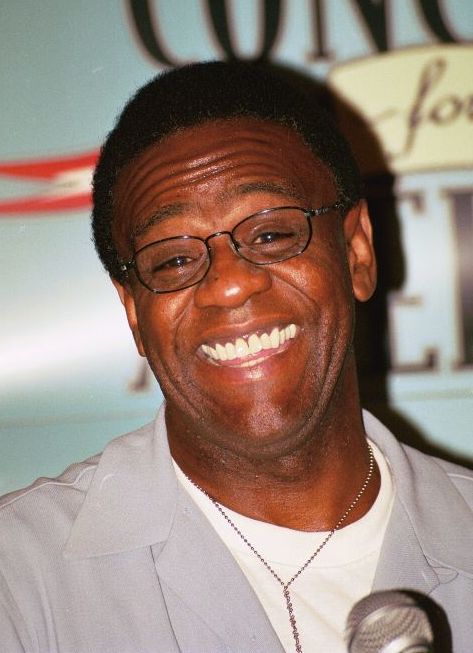

Cee-Lo Green, Big Gipp, Khujo, and T-Mo formed Goodie Mob in Atlanta in 1991, and their 1995 debut Soul Food — recorded in Organized Noize's basement studio 'the Dungeon' alongside labelmates OutKast — fused street-level social commentary with gospel harmonies and deep Southern funk. Where OutKast became the era's flashier face, Goodie Mob was its conscience, naming the album's title track after the literal soul food that fed Atlanta's Black communities through hard times.
the sound in question
1995
Soul FoodGoodie Mob
walk the tributaries ↓
Organized Noize1990s · Southern hip hop / Funk / R&B
Organized Noize wasn't just Goodie Mob's production team but the architects of their entire sound — Rico Wade's basement 'Dungeon' studio built the group's live-instrumentation, deep-funk-and-gospel palette from scratch, and Goodie Mob's music is inseparable from that production identity.
listen: upstream & here
2017
KushOrganized Noize
1995
Soul FoodGoodie Mob
listen forListen to how Organized Noize's own atmospheric, bass-heavy 'Kush' shares the same slow-cooked, live-band low end as the beat under Goodie Mob's 'Soul Food' — the same studio DNA a couple decades apart.
Al Green1970s · Soul / R&B / Gospel
Cee-Lo has named Al Green among the artists he grew up on, and Green's gospel-soaked Southern soul — raw vocal ache riding a warm, churchy groove — runs directly into Goodie Mob's own gospel-and-soul-inflected hooks and Cee-Lo's own future as a soul-leaning singer.
listen: upstream & heresource: Musician Guide — Goodie Mob biography (Cee-Lo on Run D.M.C., Sugar Hill Gang, 2 Live Crew, Al Green, Led Zeppelin, Billy Idol; Spin interview by Zev Borow) ↗
1974
Take Me to the RiverAl Green
1995
Cell TherapyGoodie Mob
listen forSet Al Green's aching, church-inflected vocal on 'Take Me to the River' against Cee-Lo's own soul-singing turns on Goodie Mob's 'Soul Food' hook — same Southern-church vocal well, different generation.
2 Live Crew1980s · Miami bass / Hip hop
Cee-Lo has cited 2 Live Crew among his early influences; as one of the first Southern rap acts to break nationally, they helped establish that hip-hop's center of gravity could shift below the Mason-Dixon line — clearing commercial and cultural ground for Atlanta's own Dungeon Family scene to build on.
listen: upstream & heresource: Musician Guide — Goodie Mob biography (Cee-Lo on Run D.M.C., Sugar Hill Gang, 2 Live Crew, Al Green, Led Zeppelin, Billy Idol; Spin interview by Zev Borow) ↗
1989
Me So Horny2 Live Crew
1995
Dirty SouthGoodie Mob
listen for2 Live Crew's 'Me So Horny' rides a stripped Miami-bass groove built for the club; Goodie Mob's 'Dirty South' takes that same regional-pride, bass-forward energy and points it toward street reportage instead of party rhymes.