George Duke


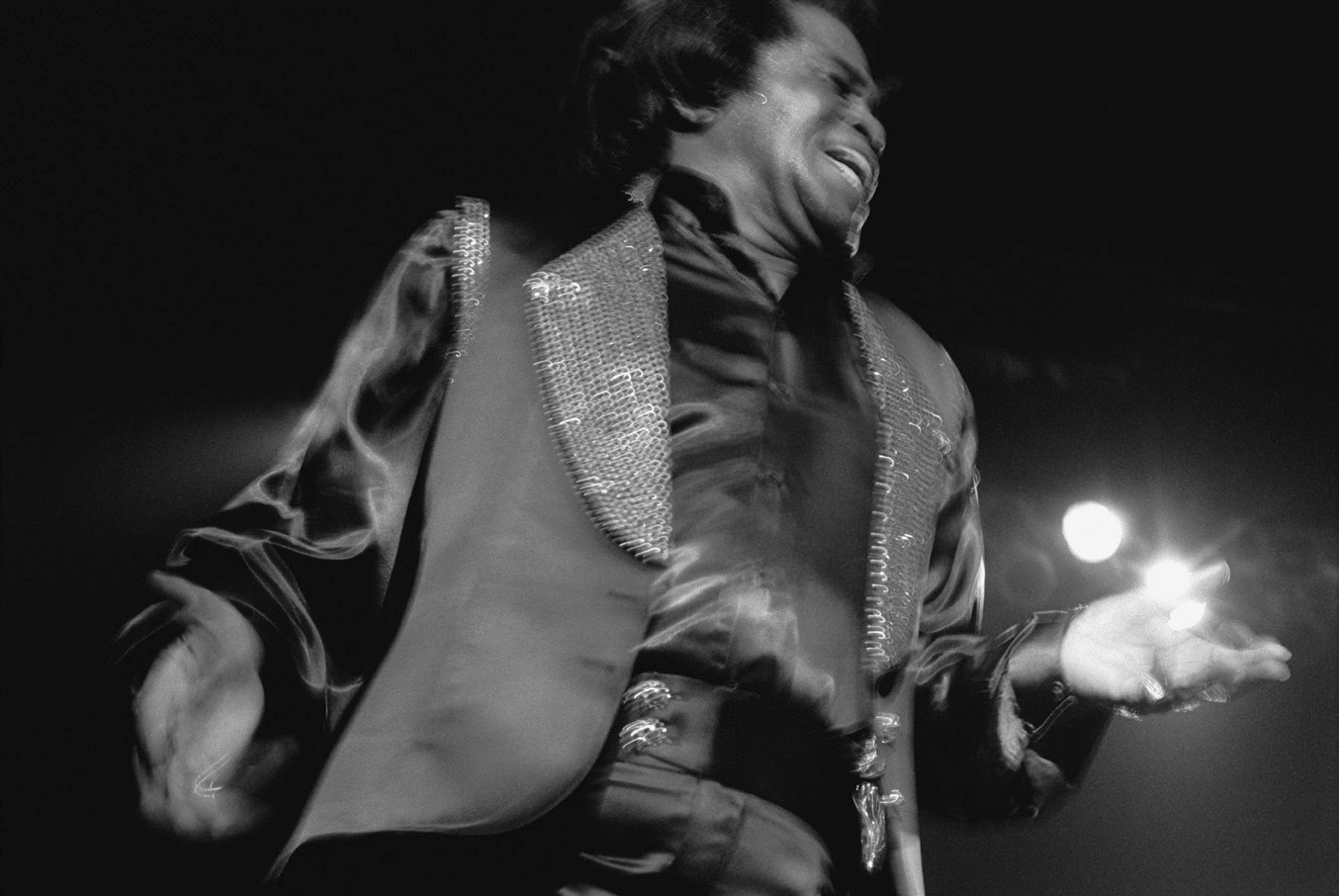

George Duke was a San Francisco Bay Area jazz keyboardist whose ear, shaped early by Duke Ellington and Miles Davis, led him through stints with Cannonball Adderley, Frank Zappa's Mothers of Invention, and Billy Cobham before he emerged in the mid-1970s as a flamboyant solo artist bridging jazz fusion and dance-floor funk. Albums like Reach for It and A Brazilian Love Affair paired virtuoso synthesizer playing with an unabashedly funky, vocoder-laced pop sensibility, making him a foundational figure for the jazz-funk fusion strain that runs through Thundercat's own bass-and-keys-heavy sound. He remained a prolific producer and sideman into the 2000s, working with artists from Miles Davis to Anita Baker before his death in 2013.
Duke has said seeing Duke Ellington perform at age four — and specifically noticing that Ellington looked like him, dressed sharp, and moved fluidly between formal and vernacular register — was the moment that made him demand a piano.
listen forEllington's cool, swinging big-band theme 'Take the A Train' and Duke's own lush, Brazilian-tinged 'Brazilian Love Affair' both showcase a bandleader-arranger's ear for sophisticated harmony wrapped in something totally danceable.
Duke discovered Miles Davis's Kind of Blue as a preteen and cited Davis's modal-jazz innovations as central to shaping his own exploratory improvising style.
listen forThe spacious, modal calm of Davis's 'So What' and the funkier, synth-heavy modal vamping of Duke's 'Dukey Stick' both build a whole track from a small set of open, unresolved chords.
Duke has said he drew on James Brown's raw funk grooves as much as on jazz harmony, folding Brown's rhythmic discipline into his own fusion writing.
listen forThe stripped-down, one-chord funk vamp of James Brown's 'Sex Machine' and the synth-funk strut of Duke's own vocoder-laced 'Shine On' both prove a groove can carry a song with almost no harmonic movement at all.