walking upstream…
Claude Debussy
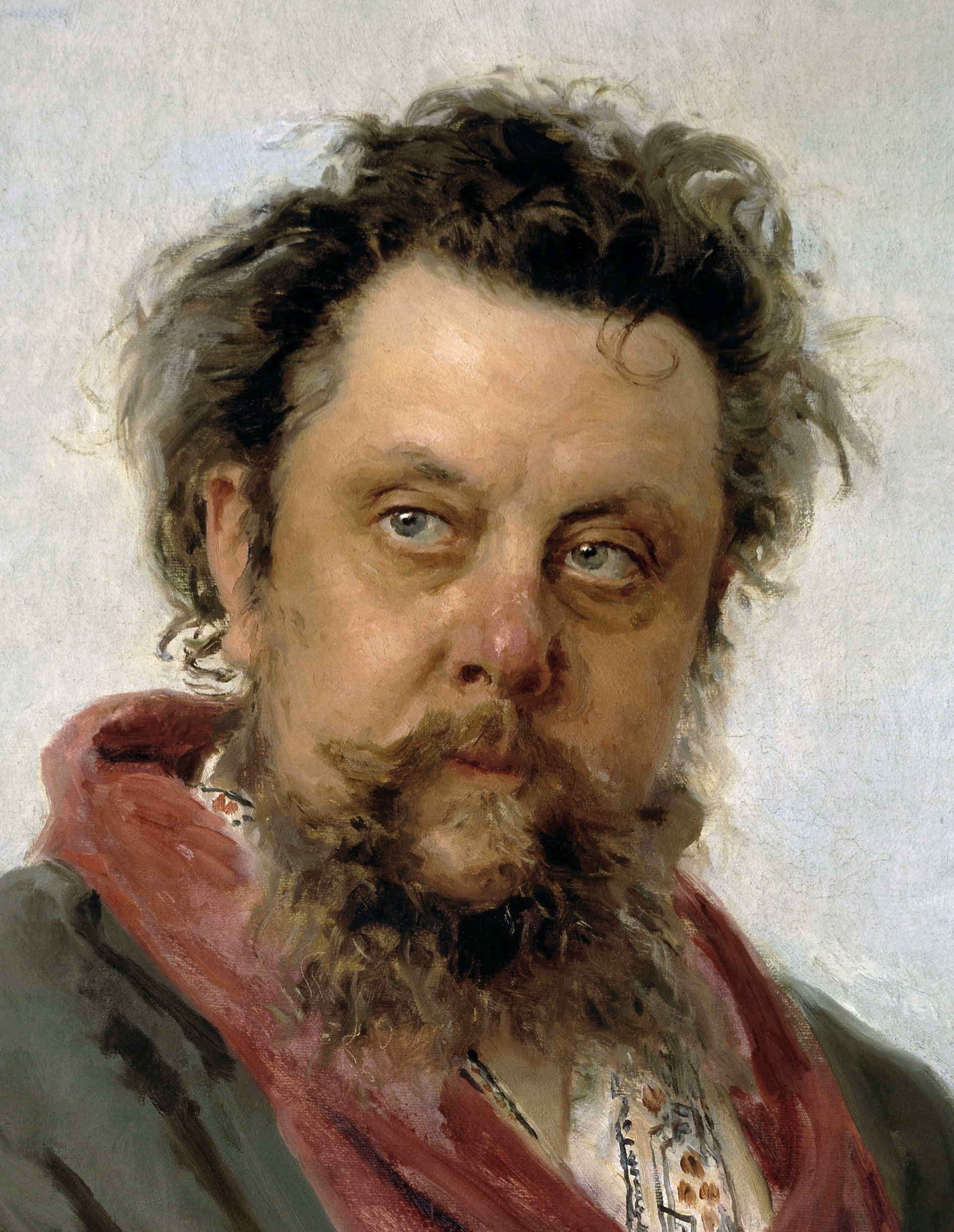
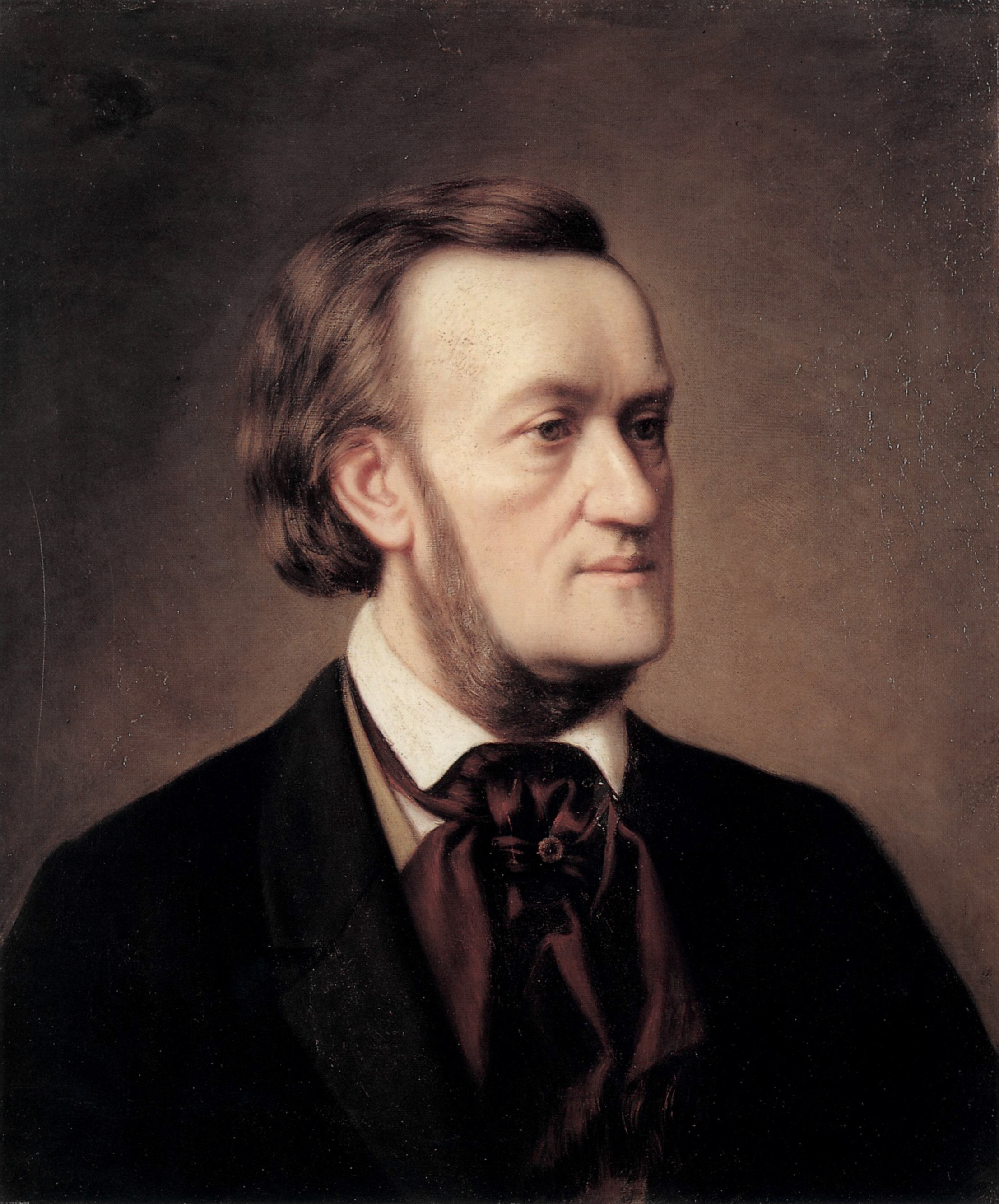

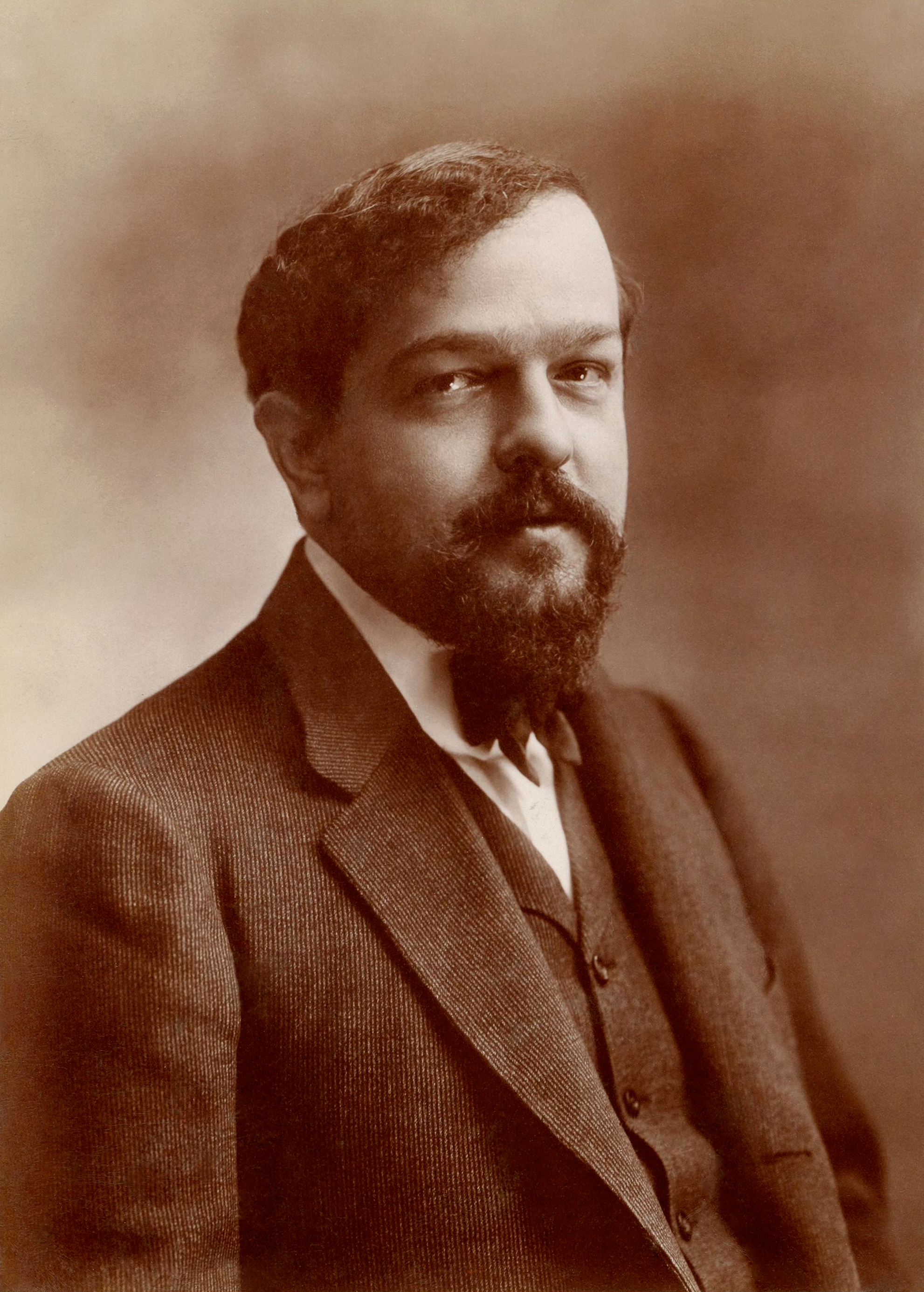 photo: adam cuerden · public domain ↗
Claude Debussy
sourcesWikipedia — Claude Debussy · Wikisource — Monsieur Croche, Texte entier (Debussy's 1901 essay on Mussorgsky; his own account of early Wagnerism) · Centre de documentation Claude Debussy — Biography 1888–1893 (Bonheur's account of Debussy playing Boris Godunov; the Chat Noir meeting with Satie) · Centre de documentation Claude Debussy — Biography 1883–1887 (Debussy's reaction to hearing Tristan und Isolde, March 1887) · Centre de documentation Claude Debussy — Biography 1894–1902 (premiere of Debussy's Satie Gymnopédies orchestration, 1897) · Crescendo Magazine — Pelléas et Mélisande, une longue genèse (the Satie "grimace" anecdote)
Claude Debussy arrived in Paris a laureate of the Prix de Rome, France's top composition prize, and left, three decades later, having rewritten what French music could sound like. His formative years ran through three overlapping obsessions: an early, nearly total submission to Wagner, sealed by two pilgrimages to the composer's own festival at Bayreuth; a discovery of Mussorgsky's unruly, unacademic Russian scores through the Parisian salon circuit of the 1880s and '90s; and a bohemian friendship with Erik Satie, struck up over drinks at the Chat Noir cabaret in 1890. Each pulled him away from German symphonic weight toward something more spoken, more colored, more his own — a harmonic language that reached its fullest statement in the opera Pelléas et Mélisande (1902) and outlasted every fashion it briefly wore.
the sound in question
1905
Clair de LuneClaude Debussy
walk the tributaries ↓
Modest Mussorgsky1870s · Classical / Romantic / Russian nationalism
In the summer of 1893, at a friend's country house on the Marne, Debussy played Boris Godunov to anyone who would listen — "indefatigable at the piano," as his companion Raymond Bonheur remembered it, "he initiated us to this extraordinary work." That same season he began sketching his own opera, Pelléas et Mélisande. Eight years later, reviewing Mussorgsky's song cycle The Nursery, Debussy praised a composer working "without procedures, without desiccated formulas" — the credo he had already put into practice, trading symmetrical melody for something closer to sung speech.
listen: upstream & here
1874
Boris Godunov (Coronation Scene)Modest Mussorgsky
1902
Pelléas et MélisandeClaude Debussy
listen forCue up the Coronation Scene from Boris Godunov, then a scene from Pelléas et Mélisande: both abandon tidy, symmetrical tunes for vocal lines that rise and fall like speech, harmonized in blocky, bell-like chords that sit rather than resolve. Mussorgsky's crowd shouts in jagged, unbalanced phrases; Debussy's lovers murmur in the same unforced, syllable-by-syllable rhythm, with the melody following the words instead of the other way around.
Richard Wagner1850s–70s · Opera / Romantic
Debussy heard the first act of Wagner's Tristan und Isolde in March 1887 and pronounced it, on the spot, "decidedly the finest thing I know." He made two pilgrimages to the composer's own festival at Bayreuth, and later admitted that as a young Prix de Rome laureate he had been "wagnérien jusqu'à l'oubli des principes les plus simples de la civilité" — Wagnerian to the point of forgetting his manners. That December he composed "La Mort des amants," setting Baudelaire in the same suspended, straining harmony he had just heard — the surrender that came before the long fight to shake it off.
listen: upstream & here
1865
Tristan und Isolde (Prelude)Richard Wagner
1887
La Mort des amants (Cinq Poèmes de Baudelaire)Claude Debussy
listen forPlay the Prelude to Tristan und Isolde against Debussy's "La Mort des amants," composed the same year he first heard it: both hang a melody over chords that keep almost resolving and never quite do, stretching the harmony until it aches. Debussy shrinks Wagner's orchestra down to a single voice and piano, but the technique — chromatic lines sliding past each other, delaying the cadence — is the same trick, borrowed before he spent the next decade writing his way out from under it.
Erik Satie1910s · Contemporary classical / Impressionist / Avant-garde
Debussy and Erik Satie met at the Chat Noir cabaret in 1890, where Satie earned his keep as house pianist. Six years later Debussy did something composers rarely do for a living friend: he orchestrated two of Satie's Gymnopédies, dressing up piano pieces the concert world had ignored for a real orchestra, and conducted their premiere at the Salle Érard, a Paris concert hall, in 1897. A later, much-repeated account has Satie needling him toward restraint — "the orchestra shouldn't grimace when a character comes on stage" — advice audible in the hushed, undemonstrative scoring Debussy gave Pelléas et Mélisande five years on.
listen: upstream & here
1888
Gymnopédie No. 1Erik Satie
1897
Gymnopédie No. 1 (orch. Debussy)Claude Debussy
listen forCompare Satie's original piano Gymnopédie No. 1 with Debussy's own orchestration of it: the harmony barely changes note for note, but Debussy's scoring — pale strings and single winds, no doubling, no swell — answers the question of what static, unresolved chords should sound like dressed for a concert hall. It is the clearest evidence anywhere in his catalogue of one composer's ear working directly through another's material.