walking upstream…
Clarence "Gatemouth" Brown

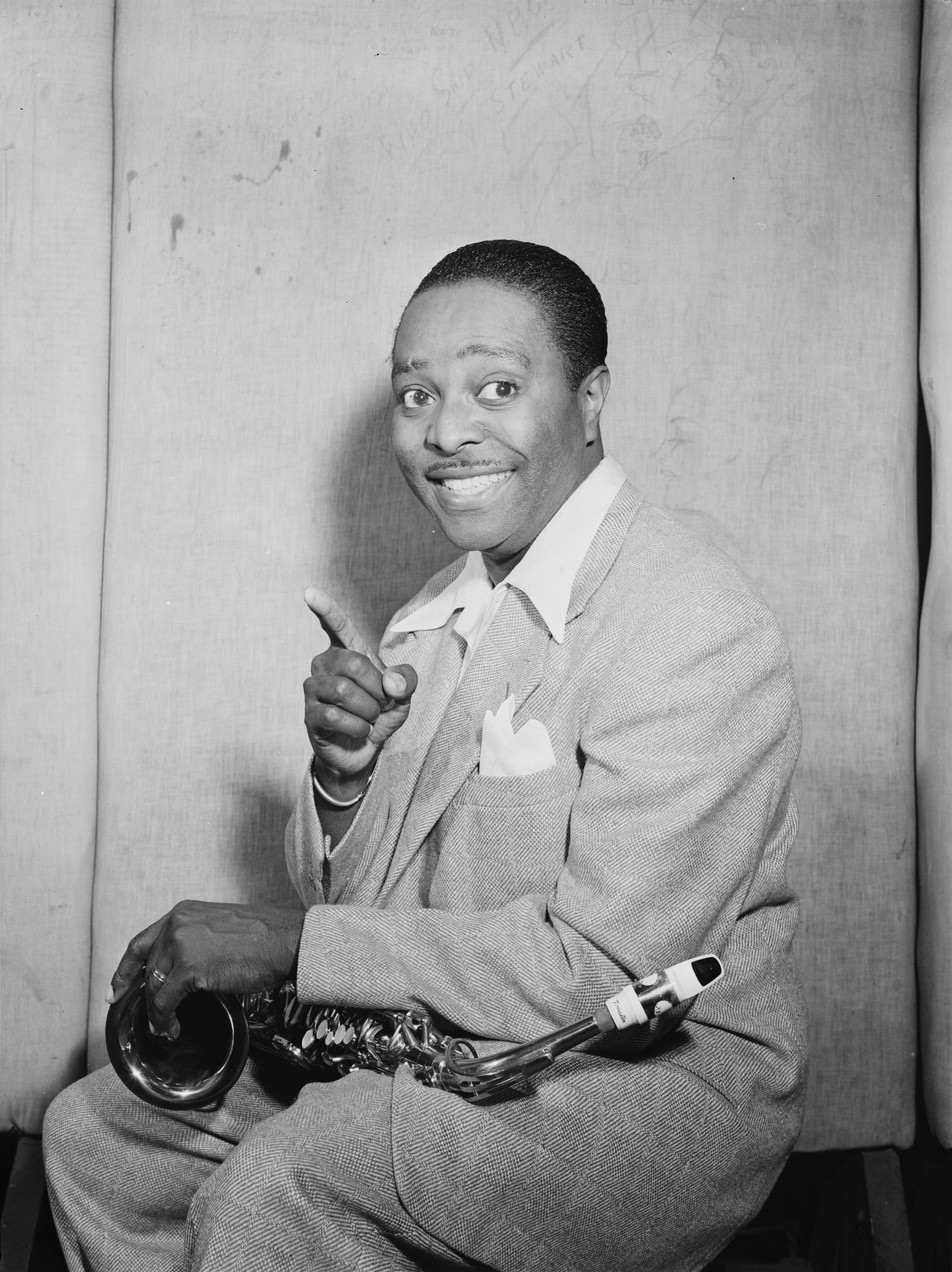
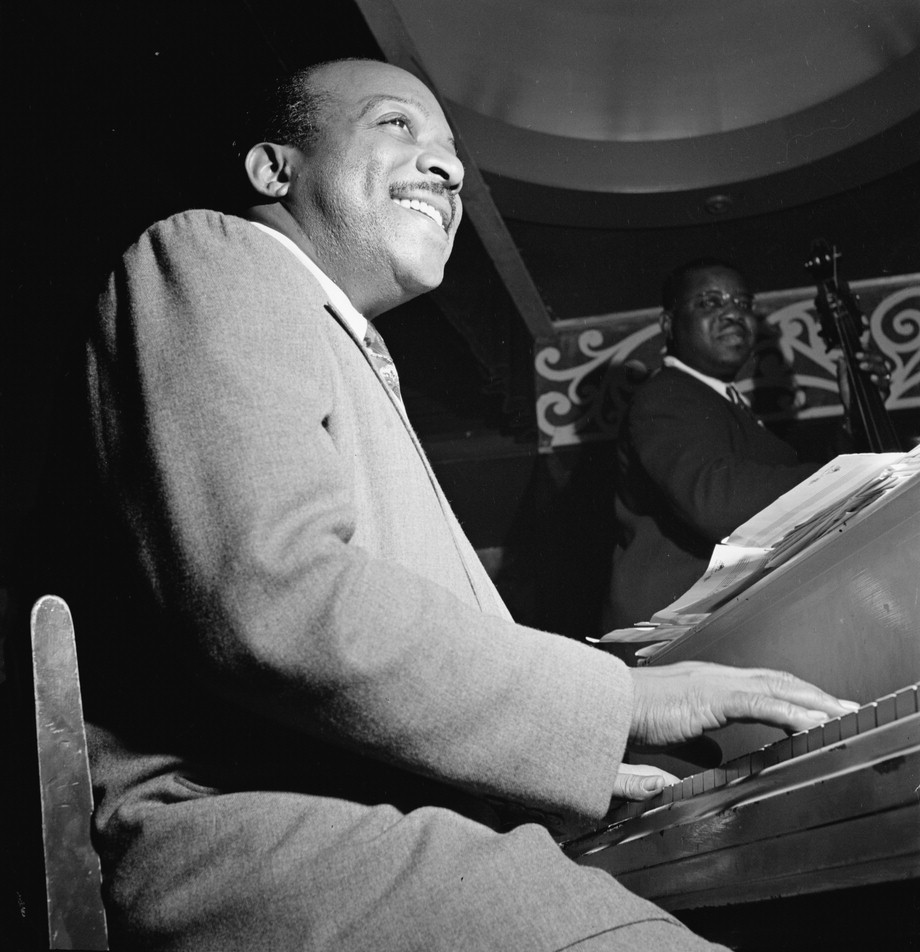
 photo: public domain ↗
Clarence "Gatemouth" Brown
sourcesWikipedia
Clarence Brown grew up near Orange, Texas, taught fiddle by his musician father at age five and picking up piano, drums, and guitar not long after; a teacher's remark about his booming voice left him with the nickname 'Gatemouth' for life. His break came in 1947 at Don Robey's Bronze Peacock club in Houston, when he grabbed T-Bone Walker's guitar after Walker fell ill onstage and improvised the crowd-pleasing 'Gatemouth Boogie' on the spot — Robey signed him within days and later built Peacock Records around his sound. Brown refused to stay confined to the blues: across a six-decade career he moved fluidly between blues, country, Cajun, jazz, and swing, cutting the storming instrumental 'Okie Dokie Stomp' in 1954 and later touring internationally as a U.S. cultural ambassador, all while shaping the next generation of Texas guitarists, Guitar Slim included.
the sound in question
1954
Okie Dokie StompClarence "Gatemouth" Brown
walk the tributaries ↓
T-Bone Walker1940s · Jump blues / Electric blues / West Coast blues
Brown's whole career pivots on a single night in 1947 at Don Robey's Bronze Peacock club, where an ailing T-Bone Walker had to leave the stage and Brown grabbed his guitar, improvising the tune that became 'Gatemouth Boogie' on the spot. Walker's amplified, jazz-harmonied electric blues guitar was the direct template Brown reached for in that moment and kept building on afterward.
listen: upstream & here
1947
Call It Stormy MondayT-Bone Walker
1947
Gatemouth BoogieClarence "Gatemouth" Brown
listen forCompare Walker's 'Call It Stormy Monday' with Brown's own 'Gatemouth Boogie' — both ride jazzy, horn-backed chord changes with a clean-toned electric guitar taking the lead role a horn might otherwise play.
Louis Jordan1940s · Jump blues / R&B / Swing
Brown named Louis Jordan among his biggest musical influences, and it shows in Brown's refusal to stay confined to twelve-bar blues — Jordan's jump blues, played with a swinging, horn-driven big-band snap and a wisecracking vocal delivery, gave Brown a model for blues as danceable, horn-forward entertainment rather than a strictly mournful form.
listen: upstream & here
1945
CaldoniaLouis Jordan
1949
Mary Is FineClarence "Gatemouth" Brown
listen forSet Jordan's 'Caldonia' against Brown's 'Mary Is Fine' — both snap along on a bright, uptempo horn riff built more for the dance floor than for lament.
Count Basie1930s–40s · Swing / Big band / Jazz
Brown named Count Basie among his formative influences, drawn especially to the riff-driven, horn-section swing of Basie's Kansas City big band; it surfaces in Brown's own instrumentals as a taste for tight horn charts and a relentless, riffing groove built for dancing rather than for a single soloist's showcase.
listen: upstream & here
1937
One O'Clock JumpCount Basie
1953
Dirty Work at the CrossroadsClarence "Gatemouth" Brown
listen forLine up Basie's 'One O'Clock Jump' with Brown's 'Dirty Work at the Crossroads' — both stack a driving horn riff under a soloist, the band locked into a single insistent figure while the lead voice works around it.