walking upstream…
Christina Aguilera
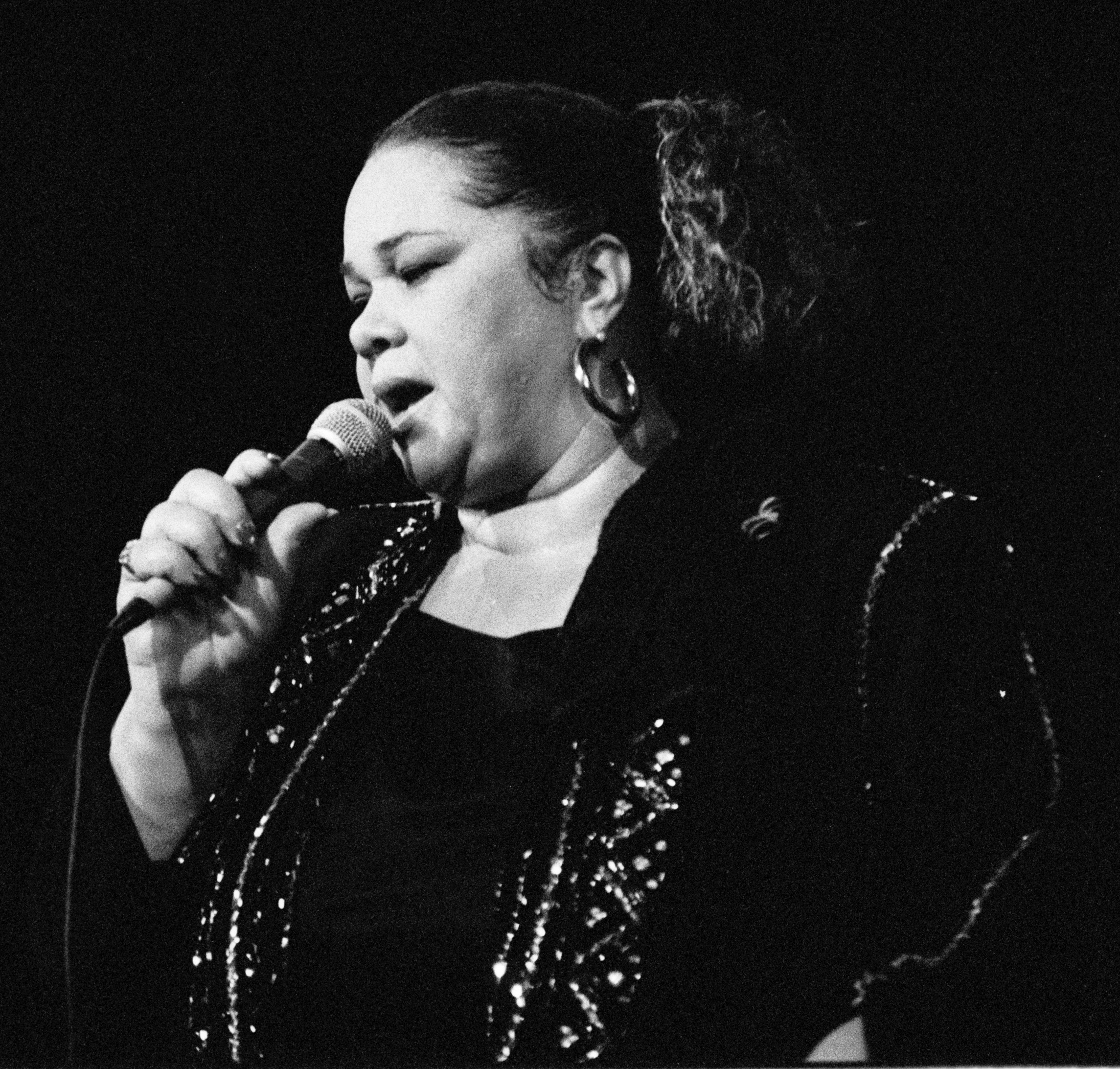


 photo: nagi usano from tokyo, japan · cc by-sa 2.0 ↗
Christina Aguilera
sourcesBillboard — Christina Aguilera Talks About The Voice, 'Liberation' and Motherhood (soul-singer self-identification, studio photos of influences) · W Magazine — cover story (childhood, domestic violence, The Sound of Music) · The New York Times — David Browne, "Trilling Songbirds Clip Their Wings" (Carey/Houston/Aguilera melisma lineage) · MTV News — Jennifer Vineyard, on Aguilera and Etta James's 2006 InStyle meeting (Etta James's "old soul" praise, backs Etta James influence) · Wikipedia — Christina Aguilera (biography, career overview)
At six, in a house she has said cracked with domestic violence, Christina Aguilera opened her bedroom window and sang along with the television. "I watched her twirl around those mountains, and she was just so free," she told W magazine, remembering The Sound of Music. "I felt caged by my childhood. And unsafe: bad things happened in my home; there was violence." Trips to her grandmother's record collection, heavy on blues and soul, gave that escape a shape, and by nineteen she had turned it into a four-octave, melisma-heavy voice on her 1999 debut single, "Genie in a Bottle." The 2000s brought reinvention after reinvention, from bubblegum ingenue to Back to Basics' soul revivalist, but the core never moved. "At the end of the day," she told Billboard in 2018, "I am a soul singer."
the sound in question
1999
Genie in a BottleChristina Aguilera
walk the tributaries ↓
Etta James1960s · Blues / R&B / Soul
In January 2012, three days after Etta James's death, her family invited Aguilera to sing "At Last" at the funeral in Gardena, California. She rehearsed the night before and broke down: "I started crying every time I started to sing it," she told CNN, "and I thought, my gosh, what if that happens tomorrow? I just want to do justice to Etta James." The devotion long predated that day — Aguilera has called James a role model, saying plainly, "Out of all the singers that I've ever heard, she was the one that cut right to my soul and spoke to me."
listen: upstream & heresource: CNN — Aguilera on meeting Etta James and performing at her funeral (backs Etta James influence) ↗
1960
At LastEtta James
2006
Ain't No Other ManChristina Aguilera
listen forJames delivers "At Last" almost unadorned, holding a note steady rather than decorating it, so the ache sits in the tone itself; Aguilera's 2006 "Ain't No Other Man" channels that same directness into a horn-driven funk arrangement, trading runs for a raw, gritted-out belt. It's the rawness James once heard in her: "I couldn't believe that big sound, that big voice was coming out of her," she said, "tell me who you've seen that sings like her, because we don't have anybody."
Mariah Carey1990s–2000s · Pop / R&B / Soul
By her own account, no record shaped Aguilera's voice more than Mariah Carey's 1990 debut single "Vision of Love"; her biographer Pier Dominguez writes it was the single biggest influence on her vocal style, and Aguilera has said she kept Carey's debut album on repeat during the sessions for her breakout 2002 record Stripped. The pop press had already drawn the line between them: New York Times critic David Browne named Carey, Whitney Houston, and Aguilera "the team of the main proponents" of the runs-heavy vocal style called melisma, treating that one 1990 single as the technique's opening shot.
listen: upstream & heresource: The New York Times — Jon Pareles, "Christina Aguilera Exults in Her Voice on 'Liberation'" (melisma description, backs Mariah Carey influence) ↗
1990
Vision of LoveMariah Carey
1999
Genie in a BottleChristina Aguilera
listen forCue Carey vaulting into the whistle register at the climax of "Vision of Love," then Aguilera pushing through the bridge of "Genie in a Bottle" — the same instinct to turn one syllable into a cascade of notes. New York Times critic Jon Pareles heard this directly in Aguilera's singing, writing that she could "turn its trajectory into an aerobatic spiral of leaping, quivering, and scalloping melismas." It's the runs, not the hook, that mark the two as the same vocal school.
Whitney Houston1980s · R&B / Pop / Soul
By eight, Aguilera was already working Whitney Houston songs into local talent shows, absorbing a template of power and control before she had any technique of her own. Houston, and later Mariah Carey, became the two artists Aguilera has named her "most apparent" influences. Decades on, recalling a backstage run-in at a European MTV Awards show, Aguilera said Houston walked up with an easy "How you doin' girl?" and had told others she considered Aguilera's voice among the greatest she'd ever heard.
listen: upstream & heresource: TheGrio — Christina Aguilera on her Whitney Houston memories (backstage MTV Awards anecdote, backs Whitney Houston influence) ↗
1987
I Wanna Dance with Somebody (Who Loves Me)Whitney Houston
2000
I Turn to YouChristina Aguilera
listen forHouston's "I Wanna Dance with Somebody" holds a tightly controlled verse before opening into a full-throated, technically clean chorus climb; Aguilera's 2000 ballad "I Turn to You" follows the same architecture, restrained through two verses before a sustained power-belt finish. Both vocals favor clean, held notes over ornamentation — range used as an instrument of control rather than decoration, the specific Houston trait Aguilera absorbed before she ever learned Carey's runs.